Sentinel Lymph Node Biopsy in Head and Neck Merkel Cell Carcinoma: Why High False-Negative Rates Demand Clinical Vigilance

Sentinel Lymph Node Biopsy in Head and Neck Merkel Cell Carcinoma: Why High False-Negative Rates Demand Clinical Vigilance

A comprehensive cohort study reveals that sentinel lymph node biopsy (SLNB) in head and neck Merkel cell carcinoma has a sensitivity of only 52.6% and a high failure rate. The findings suggest that clinicians must reconsider management strategies for patients with high-risk features or failed biopsies.
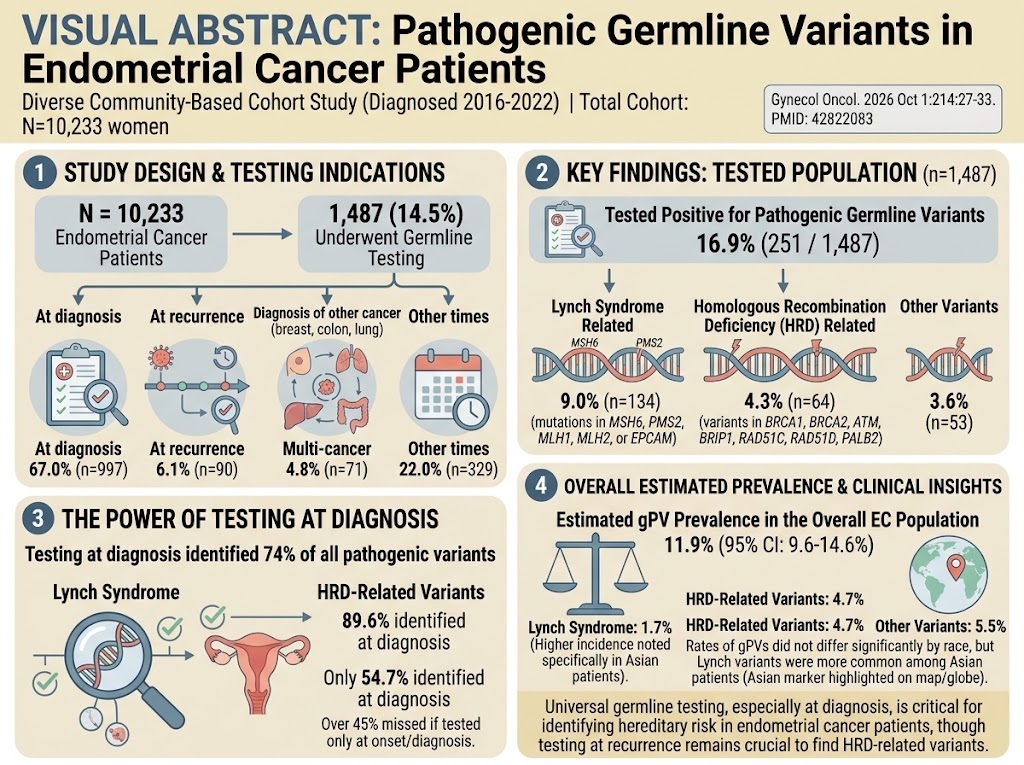
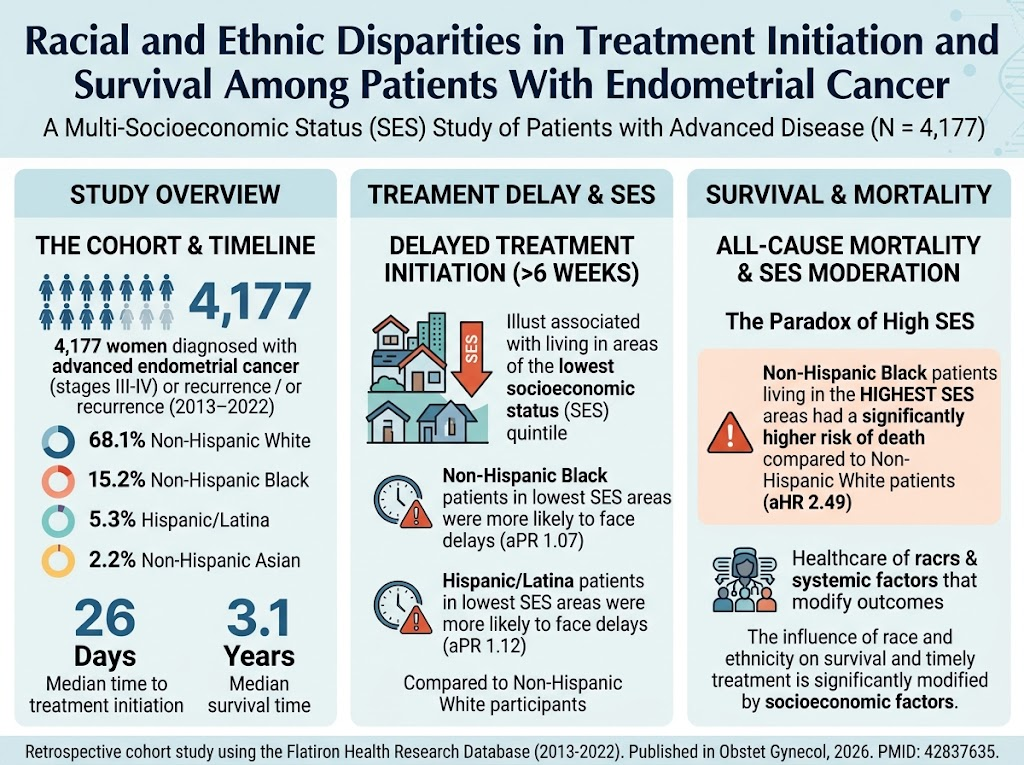
Prioritizing Return of Value: A Roadmap to Enhancing Biobanking Participation Among Black Women with Endometrial Cancer

Prioritizing Return of Value: A Roadmap to Enhancing Biobanking Participation Among Black Women with Endometrial Cancer

This community-engaged mixed-methods study identifies critical Return of Value (ROV) elements, such as genetic insights and community health benefits, to improve biobanking engagement among Black women with endometrial cancer, offering 14 actionable recommendations for equitable translational research.
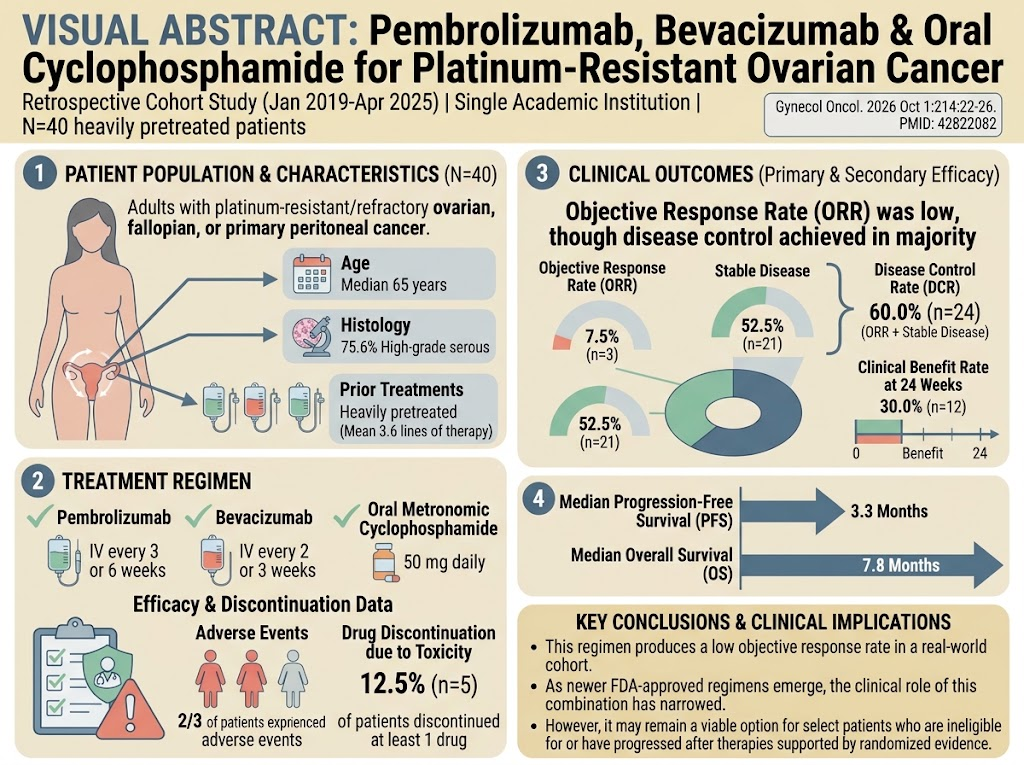
Peritoneal Cancer Risk After Risk-Reducing Salpingo-Oophorectomy: The Impact of BRCA Mutational Status and STIC Lesions

Peritoneal Cancer Risk After Risk-Reducing Salpingo-Oophorectomy: The Impact of BRCA Mutational Status and STIC Lesions

This study of 1,351 high-risk women demonstrates that while risk-reducing salpingo-oophorectomy (RRSO) is effective, the presence of serous tubal intraepithelial carcinoma (STIC) at the time of surgery significantly increases the 5-year risk **Organizing the Information Now** I'm now drafting the content structure, meticulously extracting key data points from the abstract to populate the Patient Information, Diagnosis, and Treatment and Management sections. I'm taking special care with the crucial incidence rates (0.4% vs 11.1%) and the implications of STIC diagnosis, ensuring a clear and concise presentation within the JSON format. of peritoneal cancer to 11.1%.
Severe Nocturnal Hypoxemia, Not Just Obstructive Sleep Apnea, Predicts Reduced Survival in Non-Small Cell Lung Cancer Patients

Severe Nocturnal Hypoxemia, Not Just Obstructive Sleep Apnea, Predicts Reduced Survival in Non-Small Cell Lung Cancer Patients

The NEOSAS-GFPC study demonstrates that severe sleep-related hypoxemia is an independent predictor of increased mortality in NSCLC patients, highlighting the clinical importance of monitoring nocturnal oxygen saturation beyond traditional apnea indices to improve prognostic accuracy and patient care.
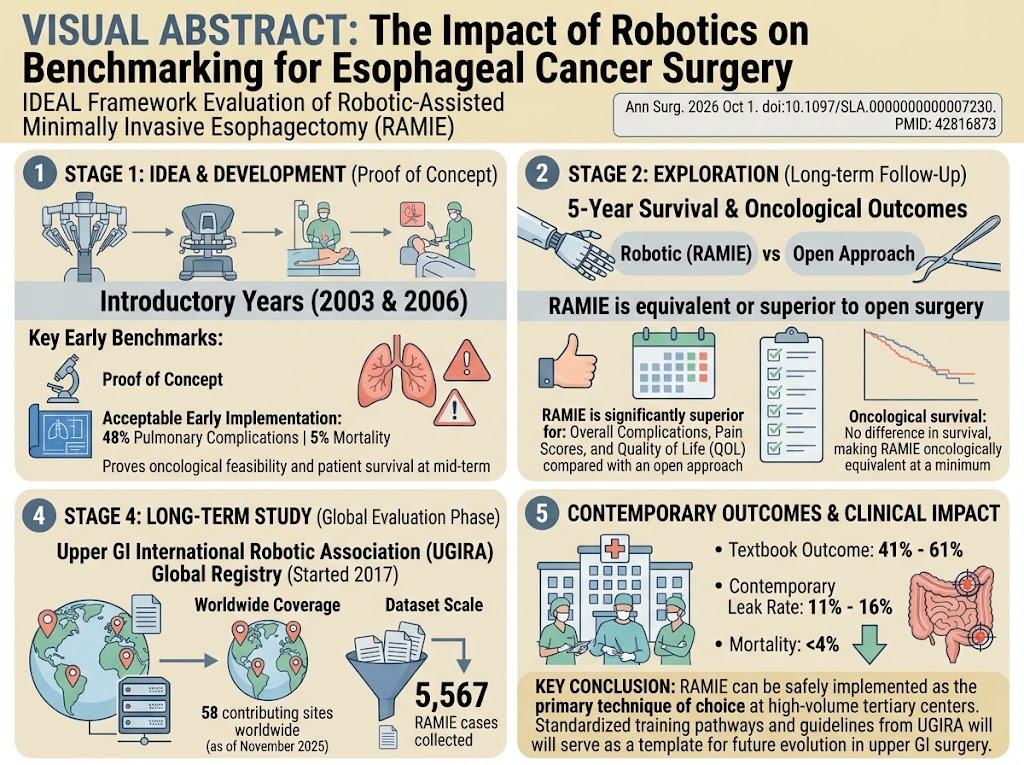
Long-Term Survival Outweighs Short-Term Quality of Life: Why Esophagectomy Remains the Gold Standard for Esophageal Cancer Responders

Long-Term Survival Outweighs Short-Term Quality of Life: Why Esophagectomy Remains the Gold Standard for Esophageal Cancer Responders

A decision analytical model reveals that while active surveillance offers short-term quality-of-life benefits, standard esophagectomy provides superior 5-year survival and quality-adjusted life-years (QALYs) for esophageal cancer patients achieving clinical complete response after neoadjuvant therapy.