Severe Nocturnal Hypoxemia, Not Just Obstructive Sleep Apnea, Predicts Reduced Survival in Non-Small Cell Lung Cancer Patients

Severe Nocturnal Hypoxemia, Not Just Obstructive Sleep Apnea, Predicts Reduced Survival in Non-Small Cell Lung Cancer Patients

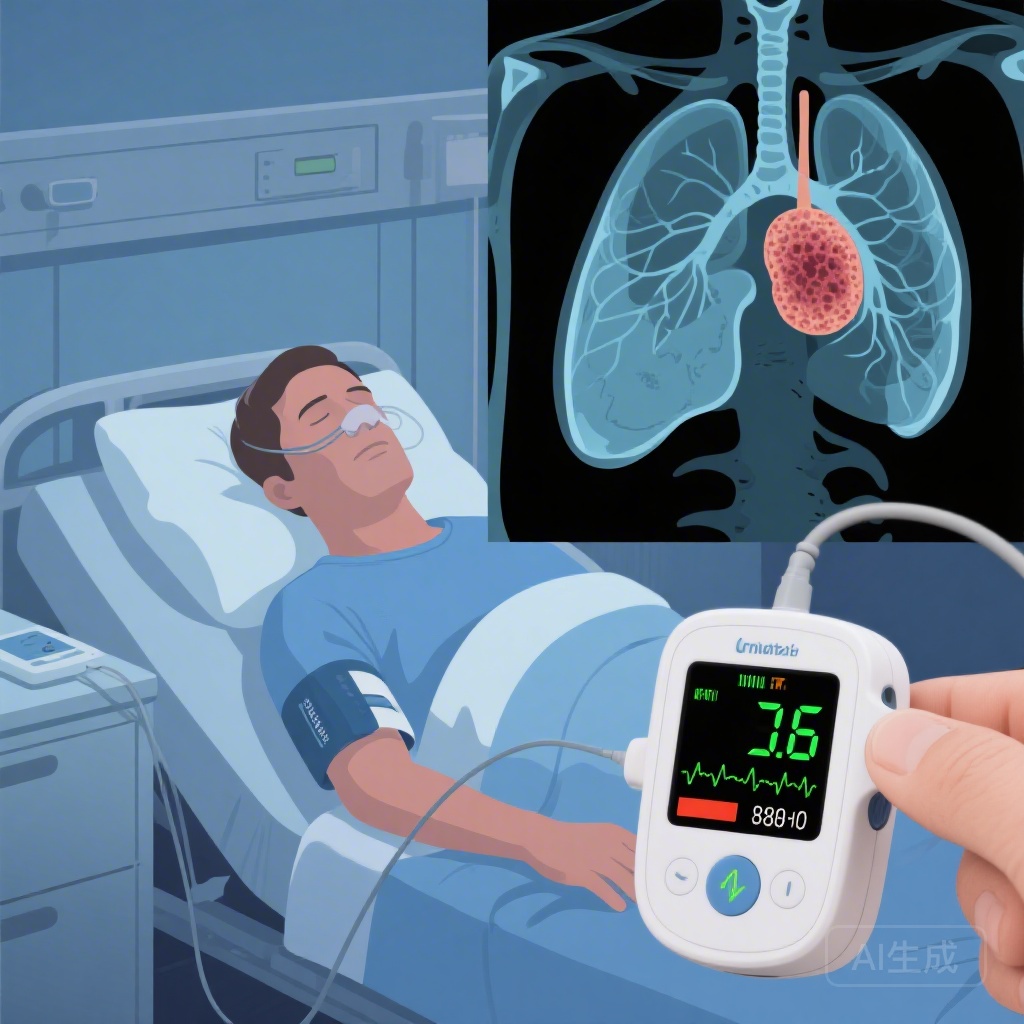
The NEOSAS-GFPC study demonstrates that severe sleep-related hypoxemia is an independent predictor of increased mortality in NSCLC patients, highlighting the clinical importance of monitoring nocturnal oxygen saturation beyond traditional apnea indices to improve prognostic accuracy and patient care.
Long-Term Survival Outweighs Short-Term Quality of Life: Why Esophagectomy Remains the Gold Standard for Esophageal Cancer Responders

Long-Term Survival Outweighs Short-Term Quality of Life: Why Esophagectomy Remains the Gold Standard for Esophageal Cancer Responders

A decision analytical model reveals that while active surveillance offers short-term quality-of-life benefits, standard esophagectomy provides superior 5-year survival and quality-adjusted life-years (QALYs) for esophageal cancer patients achieving clinical complete response after neoadjuvant therapy.