Introduction
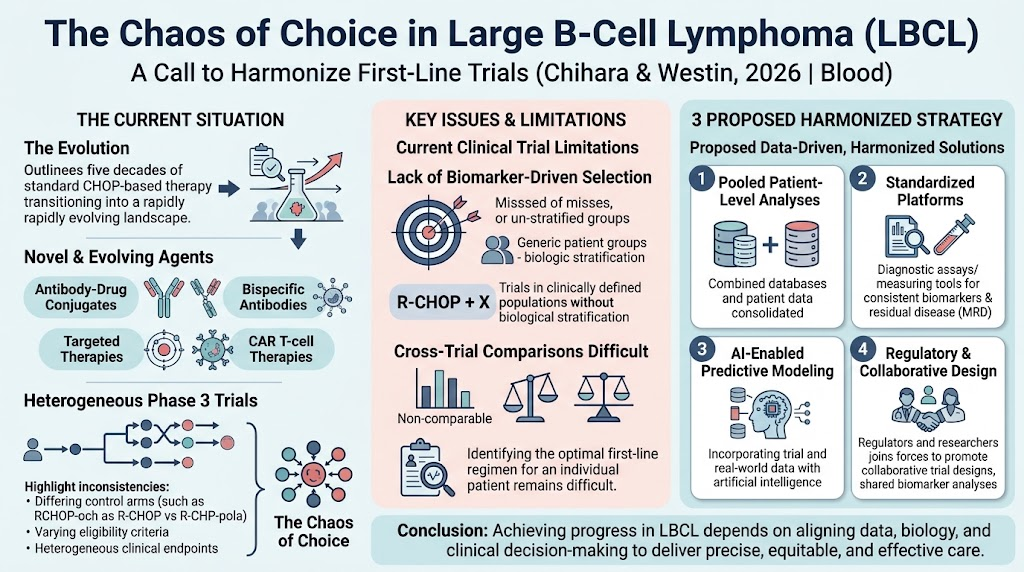
Large B-cell lymphoma (LBCL) represents a heterogeneous group of aggressive lymphoid malignancies that have challenged hematologists and oncologists for decades. Traditionally, the frontline standard of care has been the combination chemotherapy regimen CHOP (cyclophosphamide, doxorubicin, vincristine, and prednisone) augmented with rituximab (R-CHOP), which has provided durable remissions for many patients over the last 50 years. However, despite initial successes, relapse and refractory disease remain a significant clinical problem. The advent of novel targeted therapies, antibody-drug conjugates, bispecific antibodies, and chimeric antigen receptor (CAR) T-cell therapies has revolutionized the treatment landscape, promising improved outcomes but simultaneously producing an increasingly complex therapeutic milieu without consensus on optimal first-line approaches.