Why Hepatitis E Remains a Silent Threat in Transplant Recipients: Key Insights from Two Decades of Data

Why Hepatitis E Remains a Silent Threat in Transplant Recipients: Key Insights from Two Decades of Data

A 20-year retrospective study of 6,452 solid organ transplant patients reveals hepatitis E infection rates of 3.5%, with chronicity rates exceeding 65%. The findings highlight the critical importance of HEV screening and the effectiveness of extended ribavirin therapy in achieving viral clearance.
Post-Transplant Cyclophosphamide as a Potent Strategy for Bronchiolitis Obliterans Syndrome Prevention: A Comprehensive Clinical Synthesis

Post-Transplant Cyclophosphamide as a Potent Strategy for Bronchiolitis Obliterans Syndrome Prevention: A Comprehensive Clinical Synthesis

This review evaluates the role of post-transplant cyclophosphamide (PTCy) in reducing the risk of bronchiolitis obliterans syndrome (BOS), highlighting recent multicenter data that demonstrates a 75% risk reduction mediated by the prevention of chronic graft-versus-host disease.
Closing the Gap: Why Patient Perspectives Predict Survival Better Than Clinician Ratings in Sclerotic cGVHD

Closing the Gap: Why Patient Perspectives Predict Survival Better Than Clinician Ratings in Sclerotic cGVHD

A multicenter study reveals significant discordance between clinician and patient assessments of skin cGVHD. While both correlate with survival, patient-reported outcomes are uniquely predictive of mortality in sclerotic disease, highlighting the need for integrated assessment models in clinical practice.
Post-Heart Transplantation Survival Comes with a Heavy Cardiovascular-Kidney-Metabolic Burden: New Data on DM2 and CKD Risks

Post-Heart Transplantation Survival Comes with a Heavy Cardiovascular-Kidney-Metabolic Burden: New Data on DM2 and CKD Risks

A longitudinal study of 944 heart transplant recipients reveals a staggering incidence of metabolic and renal dysfunction. While diabetes significantly increases mortality risk, the study highlights the potential of SGLT2 inhibitors and GLP1RAs to mitigate these chronic complications in the post-transplant population.
Ruxolitinib Improves Failure-Free and Overall Survival Versus Best Available Therapy in Steroid-Refractory Acute GVHD: Final 24‑Month REACH2 Analysis

Ruxolitinib Improves Failure-Free and Overall Survival Versus Best Available Therapy in Steroid-Refractory Acute GVHD: Final 24‑Month REACH2 Analysis

The 24‑month final analysis of the phase III REACH2 trial shows ruxolitinib produced longer failure‑free survival, improved median overall and event‑free survival, and a longer duration of response versus best available therapy (BAT) in patients with steroid‑refractory acute GVHD.
Isolated HLA‑DQB1 Mismatch and Donor Age Do Not Worsen Survival After Unrelated Donor HCT with Post‑Transplant Cyclophosphamide: A Single‑Center Analysis

Isolated HLA‑DQB1 Mismatch and Donor Age Do Not Worsen Survival After Unrelated Donor HCT with Post‑Transplant Cyclophosphamide: A Single‑Center Analysis

A single‑center retrospective study of 988 unrelated donor HCTs with PTCy found no significant differences in survival or relapse for isolated HLA‑DQB1 mismatch, 7/8 mismatches, or older donor age; 7/8 mismatch increased severe acute GVHD and donor age modestly raised risk of grade II–IV aGVHD.
Immune-related adverse events strongly predict early graft rejection after liver transplant in HCC patients treated with checkpoint inhibitors

Immune-related adverse events strongly predict early graft rejection after liver transplant in HCC patients treated with checkpoint inhibitors

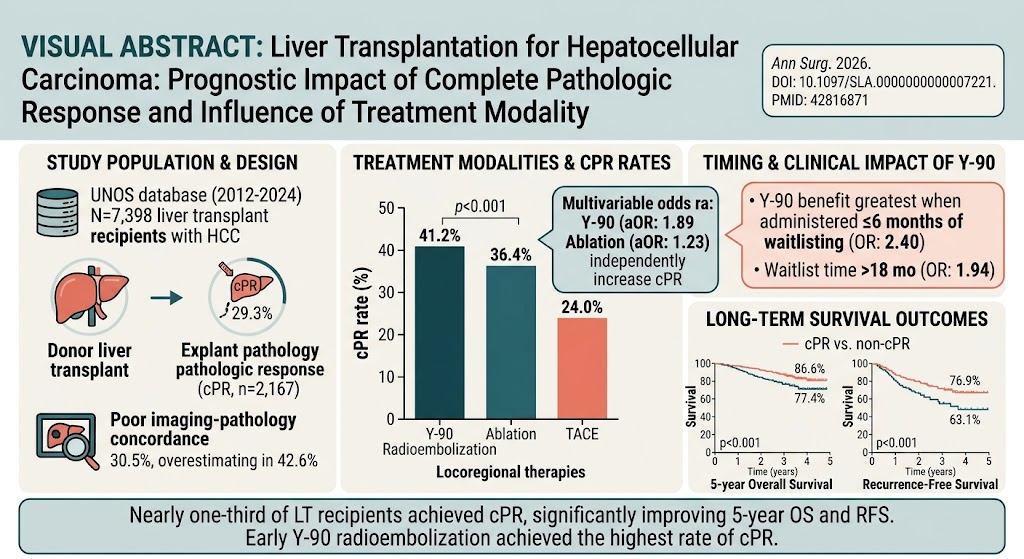
A multicentre retrospective cohort found that pretransplant immune-related adverse events (irAEs) markedly increase the risk of early liver allograft rejection after liver transplantation for hepatocellular carcinoma (HCC). IrAEs, short ICI washout, and younger recipient age were independent predictors.
Predicting Early Acute Kidney Injury After Liver Transplantation: A Clinically Useful 48‑Hour Risk Model

Predicting Early Acute Kidney Injury After Liver Transplantation: A Clinically Useful 48‑Hour Risk Model

A single-center study developed and internally validated a 48‑hour post‑liver transplant AKI risk model using five readily available preoperative and intraoperative variables (HE, alcohol cirrhosis, ALBI ≥ −1.78, operation time ≥560 min, and FFP transfusion). The model showed good discrimination (AUC ≈0.76).
IXA Position Paper: Practical Roadmap for First-in-Human Porcine Kidney Xenotransplantation

IXA Position Paper: Practical Roadmap for First-in-Human Porcine Kidney Xenotransplantation

The International Xenotransplantation Association (IXA) 2025 position paper offers evidence-based recommendations for initial clinical trials of genetically engineered porcine kidney transplants for end-stage renal disease, focusing on donor genetics, immunosuppression, patient selection, infection monitoring and ethical/regulatory safeguards.
Simultaneous Liver Transplant and Sleeve Gastrectomy: A Dual Approach to Combat Obesity and MASLD with Durable Outcomes

Simultaneous Liver Transplant and Sleeve Gastrectomy: A Dual Approach to Combat Obesity and MASLD with Durable Outcomes

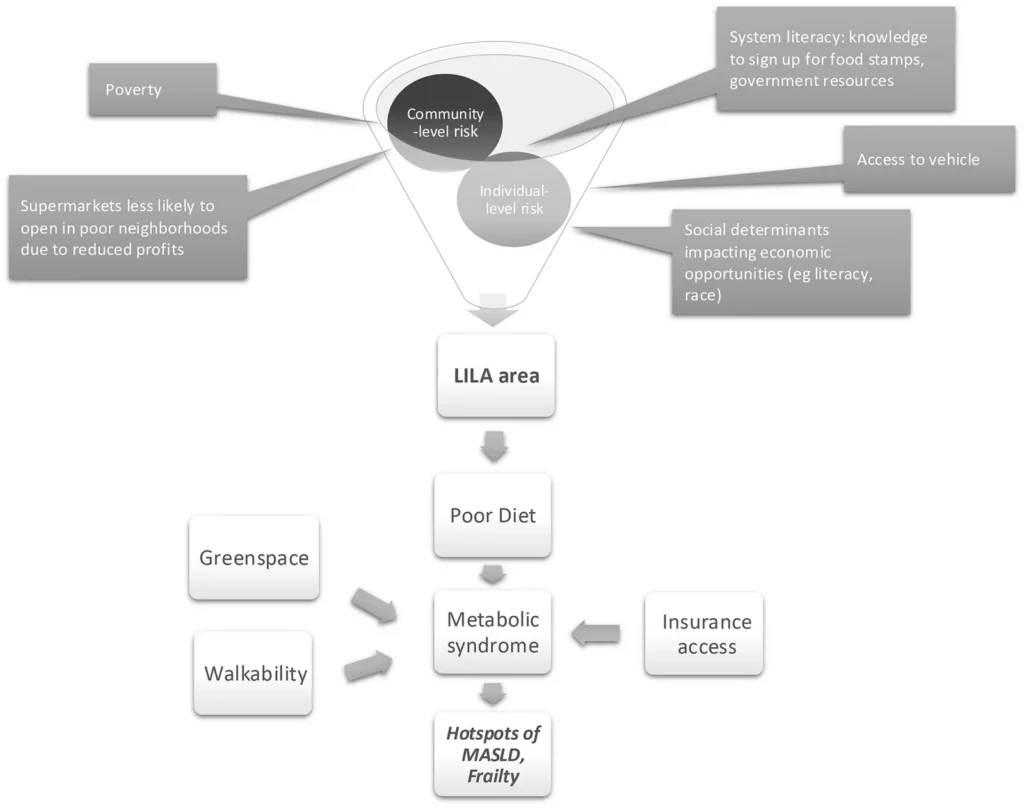
Combining liver transplant with sleeve gastrectomy yields sustained weight loss, improved metabolic syndrome, and reduced liver allograft steatosis, without increasing mortality or graft loss, offering an effective treatment for obese patients with metabolic dysfunction-associated steatotic liver disease.