Hepatitis C Screening Among Persons Experiencing Homelessness in Emergency Departments: Insights from the DETECT Hep C Screening Trial and Related Evidence

Hepatitis C Screening Among Persons Experiencing Homelessness in Emergency Departments: Insights from the DETECT Hep C Screening Trial and Related Evidence

Emergency departments serve as vital venues for hepatitis C virus screening, particularly for persons experiencing homelessness who exhibit higher HCV prevalence and face healthcare access barriers. Evidence supports nontargeted screening in EDs to improve detection and engagement in this vulnerable population.
Post-Pandemic Firearm Acquisition and Household Exposure: Insights from the 2024 National Firearms Survey

Post-Pandemic Firearm Acquisition and Household Exposure: Insights from the 2024 National Firearms Survey

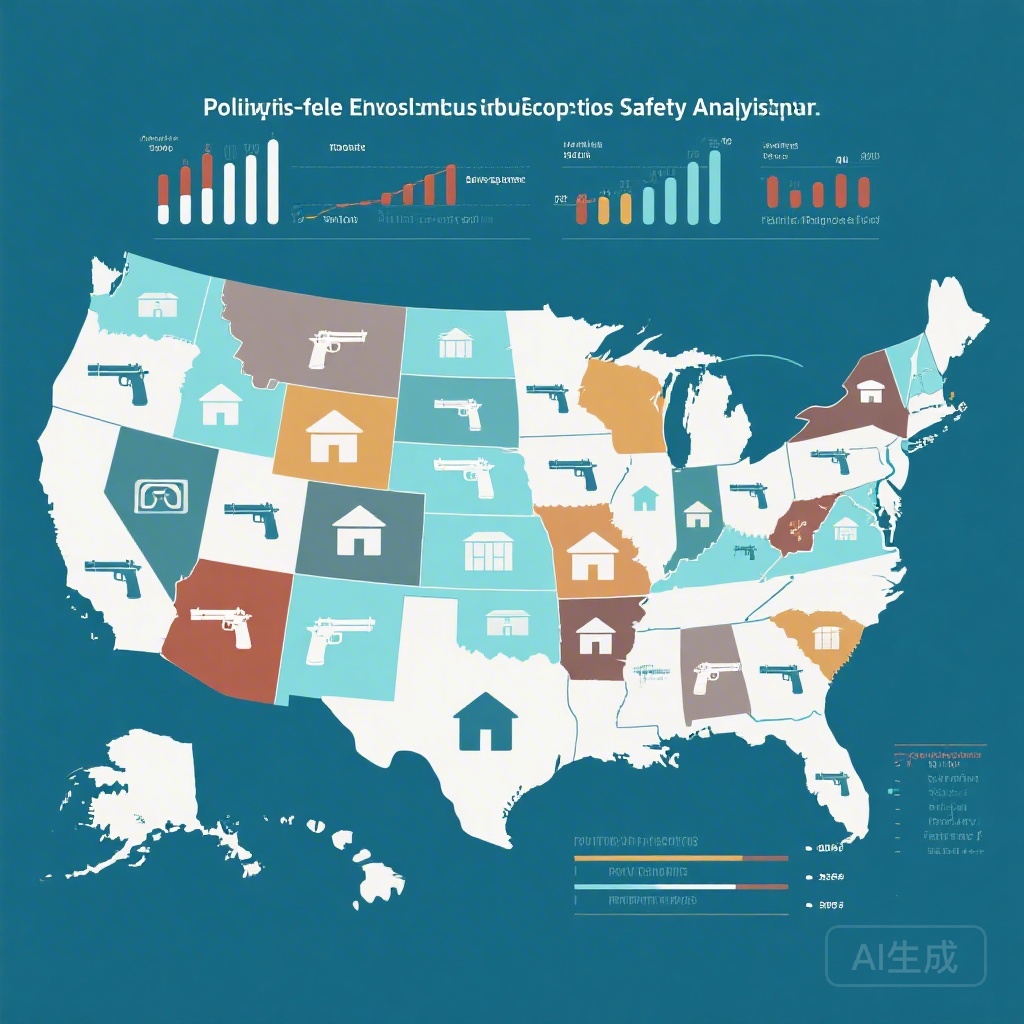
The 2024 National Firearms Survey reveals that 29.8 million US adults acquired firearms between 2021 and 2024. This trend introduced 11.2 million new owners, significantly increasing household exposure for millions of adults and children, raising critical public health concerns regarding violent death risks.
Scaling Tobacco Cessation in HIV Care: National Quitlines as an Effective Alternative to Resource-Intensive Interventions

Scaling Tobacco Cessation in HIV Care: National Quitlines as an Effective Alternative to Resource-Intensive Interventions

A landmark pragmatic randomized controlled trial in Vietnam reveals that proactive Quitline referrals are as effective as nurse-led counseling and nicotine replacement therapy for smoking cessation among people living with HIV, offering a scalable model for low- and middle-income countries.
Strategic Release of Wolbachia-Infected Mosquitoes Reduces Dengue Risk by Over 70% in Urban Singapore

Strategic Release of Wolbachia-Infected Mosquitoes Reduces Dengue Risk by Over 70% in Urban Singapore

A large-scale cluster-randomized trial in Singapore demonstrates that releasing male Aedes aegypti mosquitoes infected with the wAlbB Wolbachia strain significantly suppresses wild-type populations and reduces the incidence of symptomatic dengue virus infection by 71-72%, offering a transformative approach to urban vector control.