Discriminating Prion Diseases from Alzheimer’s Disease Using Plasma Biomarkers: The Crucial Role of NfL/p-tau217 Ratio

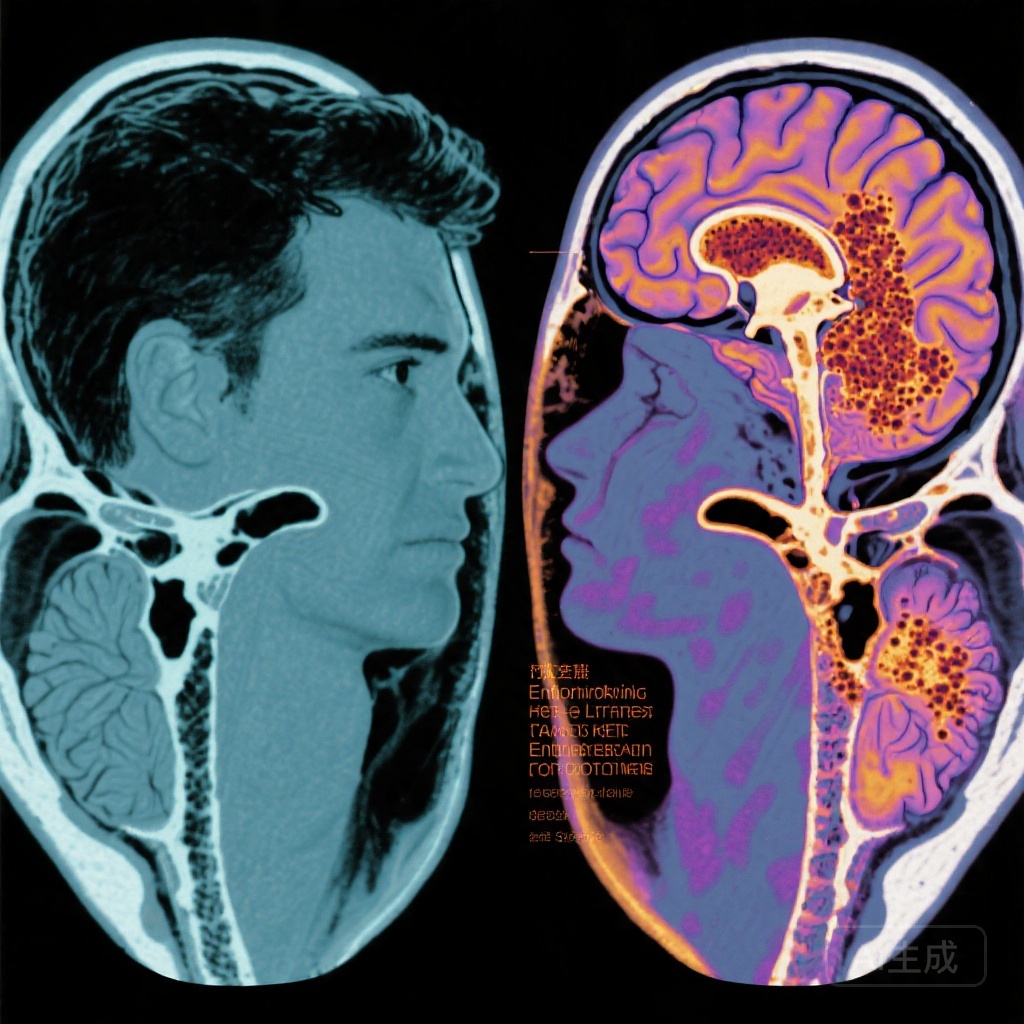
Discriminating Prion Diseases from Alzheimer’s Disease Using Plasma Biomarkers: The Crucial Role of NfL/p-tau217 Ratio

Plasma phosphorylated tau biomarkers overlap in Alzheimer’s and prion diseases, risking diagnostic confusion. The NfL/p-tau217 ratio emerges as an accurate plasma biomarker to distinguish prion diseases from Alzheimer’s, improving diagnostic precision and guiding appropriate clinical management.
Evaluating Low-Dose Lithium Carbonate for the Management of Mild Cognitive Impairment: A 2-Year Randomized Pilot Study

Evaluating Low-Dose Lithium Carbonate for the Management of Mild Cognitive Impairment: A 2-Year Randomized Pilot Study

This pilot randomized clinical trial investigated low-dose lithium for Mild Cognitive Impairment (MCI). While primary outcomes regarding cognition and neuroimaging were not statistically significant, the study established the intervention's feasibility and safety, providing crucial effect size estimates for future neuroprotective research.
Tau Pathology Acts as a Switch: How Soluble Amyloid Drives Early Metabolic and Neuropsychiatric Symptoms in Alzheimer’s Disease

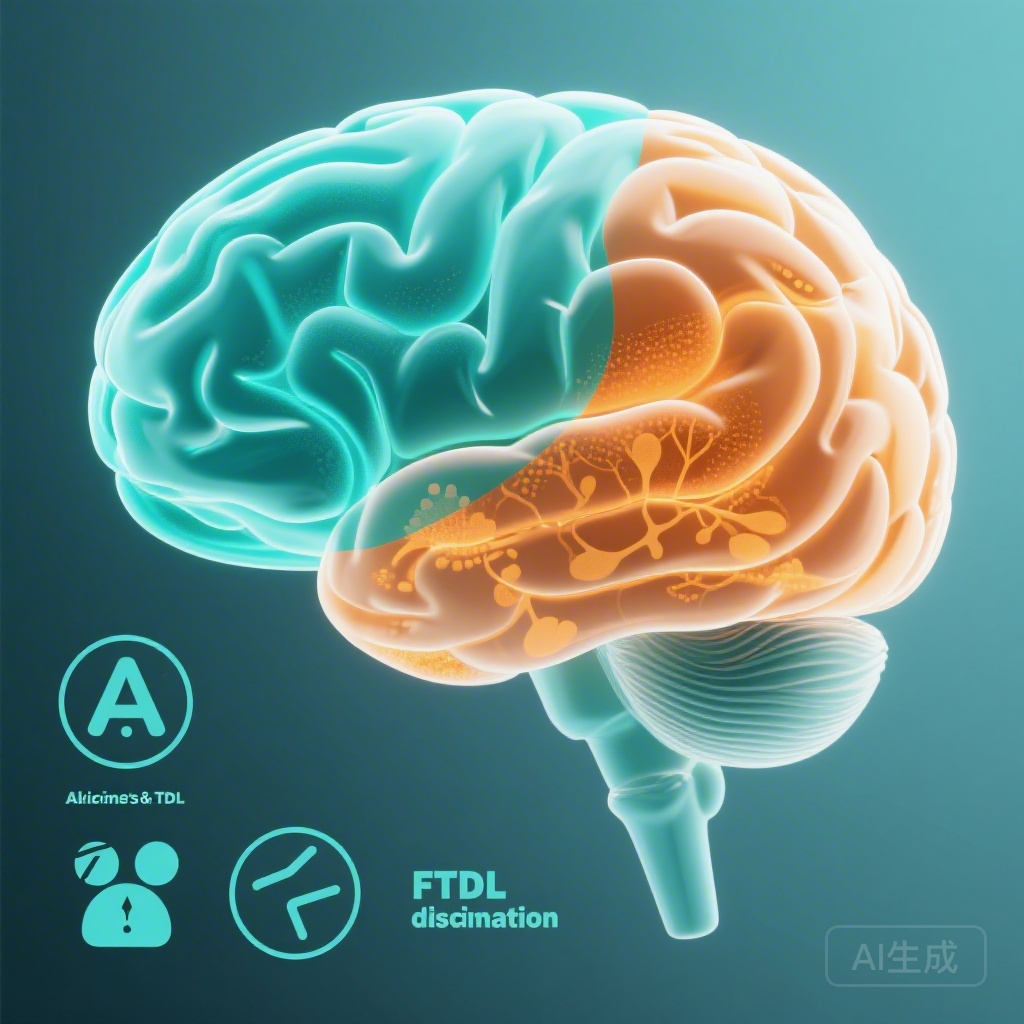
Tau Pathology Acts as a Switch: How Soluble Amyloid Drives Early Metabolic and Neuropsychiatric Symptoms in Alzheimer’s Disease

Recent clinical evidence reveals that soluble amyloid-beta oligomers, rather than traditional plaques, drive glucose dysregulation and depression in early Alzheimer’s disease. Crucially, these associations are modulated by tau pathology, suggesting that tau staging is essential for identifying metabolic and psychiatric vulnerability in the AD spectrum.
Age and Sex Redefine the Amyloid-to-Tau Transition: Establishing Patient-Centered PET Thresholds for Alzheimer’s Disease

Age and Sex Redefine the Amyloid-to-Tau Transition: Establishing Patient-Centered PET Thresholds for Alzheimer’s Disease

This study establishes patient-centered amyloid PET thresholds for tauopathy onset, revealing that age and sex significantly influence the transition from amyloidosis to tau accumulation. These personalized cut-offs better predict cognitive decline and offer a more precise framework for clinical intervention in Alzheimer's disease.