Molecular Complexity of Endometrial Cancer: How Biomarker Patterns Vary Across Tumor Stages, Histology, and Molecular Subtypes

Molecular Complexity of Endometrial Cancer: How Biomarker Patterns Vary Across Tumor Stages, Histology, and Molecular Subtypes

A real-world study of 671 endometrial cancer patients reveals significant molecular heterogeneity. PTEN, ARID1A, and PIK3CA are the most prevalent biomarkers, while TP53 mutations and ERBB2 amplification cluster in advanced-stage and non-endometrioid tumors. The findings underscore the need for comprehensive molecular profiling to guide personalized treatment strategies.
Immunotherapy Shows Consistent Efficacy in Recurrent Gynecologic Cancers Regardless of Prior Radiation Field Location

Immunotherapy Shows Consistent Efficacy in Recurrent Gynecologic Cancers Regardless of Prior Radiation Field Location

This retrospective study challenges the assumption that prior radiation limits immunotherapy effectiveness in recurrent endometrial and cervical cancers, finding no significant difference in response rates or survival outcomes based on recurrence location relative to previous radiotherapy fields.
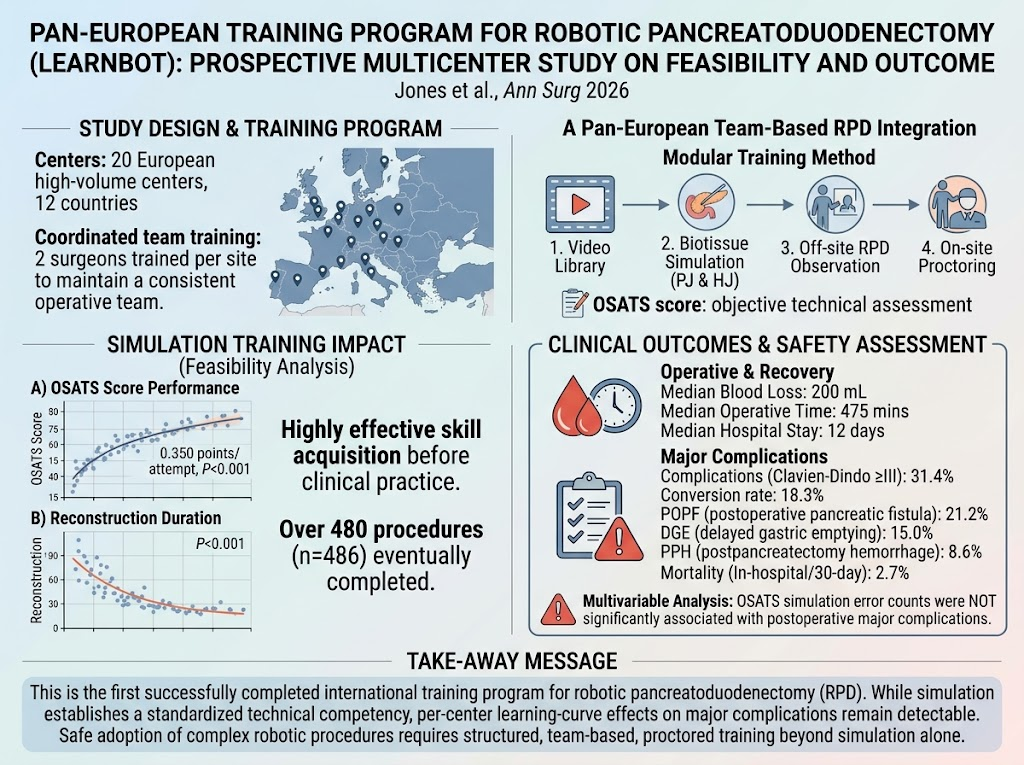
Conversion from Minimally Invasive to Open Pancreatectomy Carries Higher Complication Risk, Study Finds

Conversion from Minimally Invasive to Open Pancreatectomy Carries Higher Complication Risk, Study Finds

A large retrospective analysis of over 11,000 patients reveals that conversion to open surgery during minimally invasive left-sided pancreatectomy is independently associated with increased postoperative complications. The findings underscore the importance of preoperative risk stratification and careful patient selection.
Stool Biospecimen Collection in Gynecologic Oncology: New Study Demonstrates Feasibility and Identifies Provider Engagement as Key Driver

Stool Biospecimen Collection in Gynecologic Oncology: New Study Demonstrates Feasibility and Identifies Provider Engagement as Key Driver

A prospective study evaluating at-home stool collection for gut microbiome research in gynecologic oncology demonstrates implementation feasibility with 61% patient enrollment. Provider engagement emerged as the strongest predictor of participation, establishing practical benchmarks for future translational microbiome studies.
Dietary Lipid Sequestration and Metabolic Rewiring in Colorectal Cancer: New Mechanistic Frontiers and Therapeutic Potential

Dietary Lipid Sequestration and Metabolic Rewiring in Colorectal Cancer: New Mechanistic Frontiers and Therapeutic Potential

This review synthesizes recent evidence on how colorectal cancer tissues directly absorb extrinsic long-chain fatty acids from the intestinal lumen, particularly in right-sided tumors, and explores the critical interplay between lipid metabolism, the gut microbiome, and cancer cell proliferation.