Evaluating Renal Resistive Index Responsiveness to MAP Targets in Early Septic Shock: Clinical Implications and Physiologic Insights

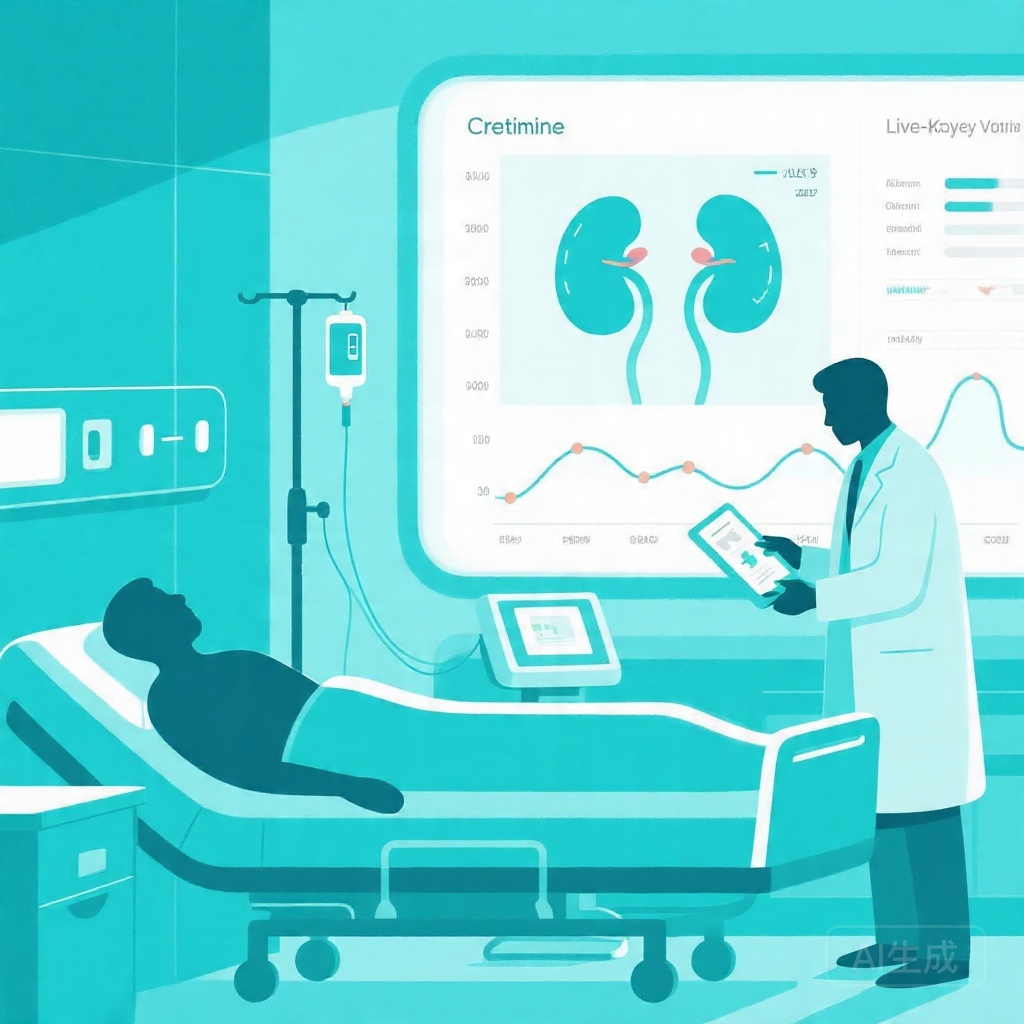
Evaluating Renal Resistive Index Responsiveness to MAP Targets in Early Septic Shock: Clinical Implications and Physiologic Insights

This study explores whether renal resistive index (RRI) changes during a transient elevation of mean arterial pressure (MAP) can guide individualized MAP targets to optimize renal function in early septic shock, finding that RRI decrease does not predict improved outcomes with higher MAP, while lack of RRI decrease may identify patients benefiting from MAP elevation.
Conservative Dialysis Strategy Accelerates Kidney Recovery in Dialysis-Requiring AKI — Early Randomized Evidence from LIBERATE-D

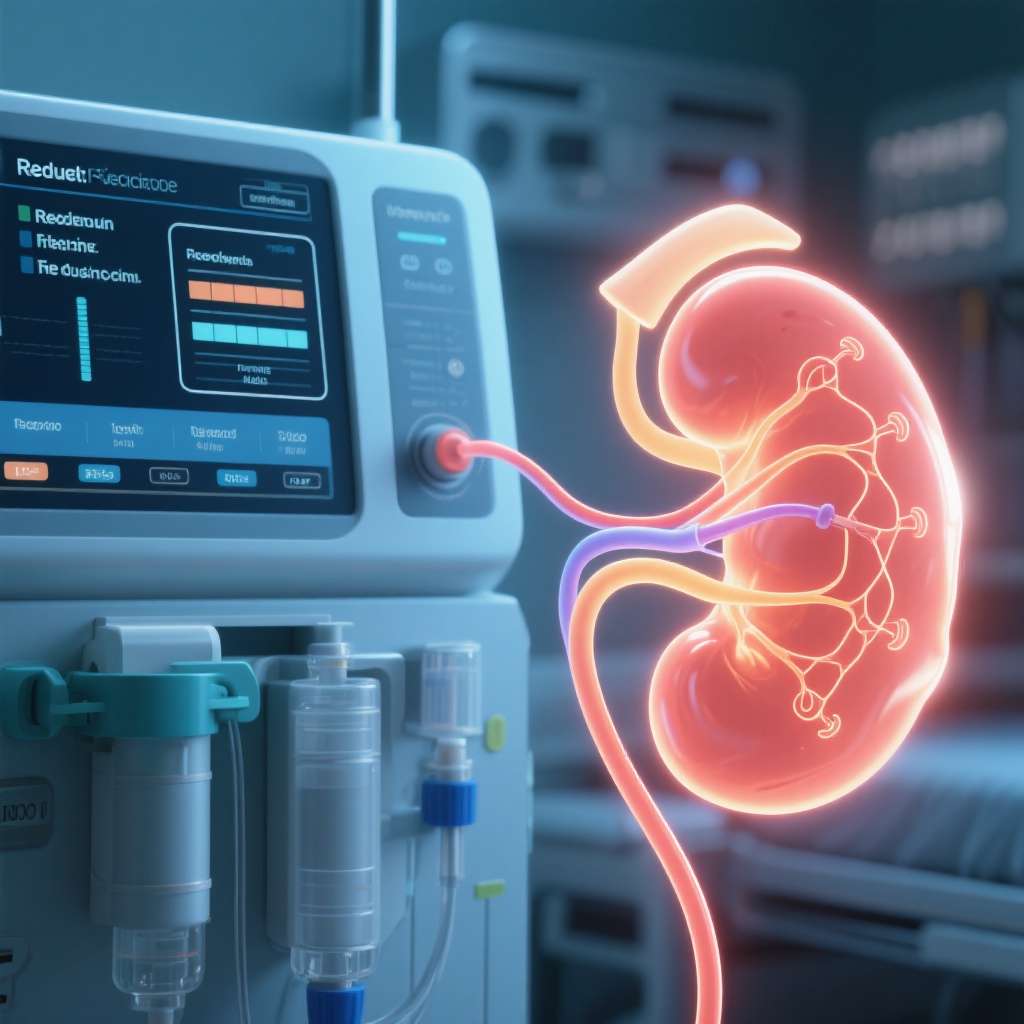
Conservative Dialysis Strategy Accelerates Kidney Recovery in Dialysis-Requiring AKI — Early Randomized Evidence from LIBERATE-D

The LIBERATE-D randomized trial found that a conservative, indication-triggered dialysis strategy increased unadjusted kidney-recovery rates at hospital discharge and shortened time to dialysis independence compared with routine thrice-weekly dialysis in patients with dialysis-requiring AKI.
Pathogen-Reduced Red Blood Cells Are Safe in Cardiac Surgery: ReCePI Phase 3 Shows Noninferior AKI Rates

Pathogen-Reduced Red Blood Cells Are Safe in Cardiac Surgery: ReCePI Phase 3 Shows Noninferior AKI Rates

The ReCePI randomized phase 3 trial found that amustaline/glutathione pathogen-reduced red blood cells produced similar rates of acute kidney injury compared with conventional transfusion after cardiac or thoracic-aorta surgery, with few treatment-emergent antibodies and no clinically significant hemolysis.