Tezepelumab Enables Complete Oral Corticosteroid Discontinuation in 50% of Patients with Severe, Uncontrolled Asthma: Results from the WAYFINDER Phase 3b Trial

Tezepelumab Enables Complete Oral Corticosteroid Discontinuation in 50% of Patients with Severe, Uncontrolled Asthma: Results from the WAYFINDER Phase 3b Trial

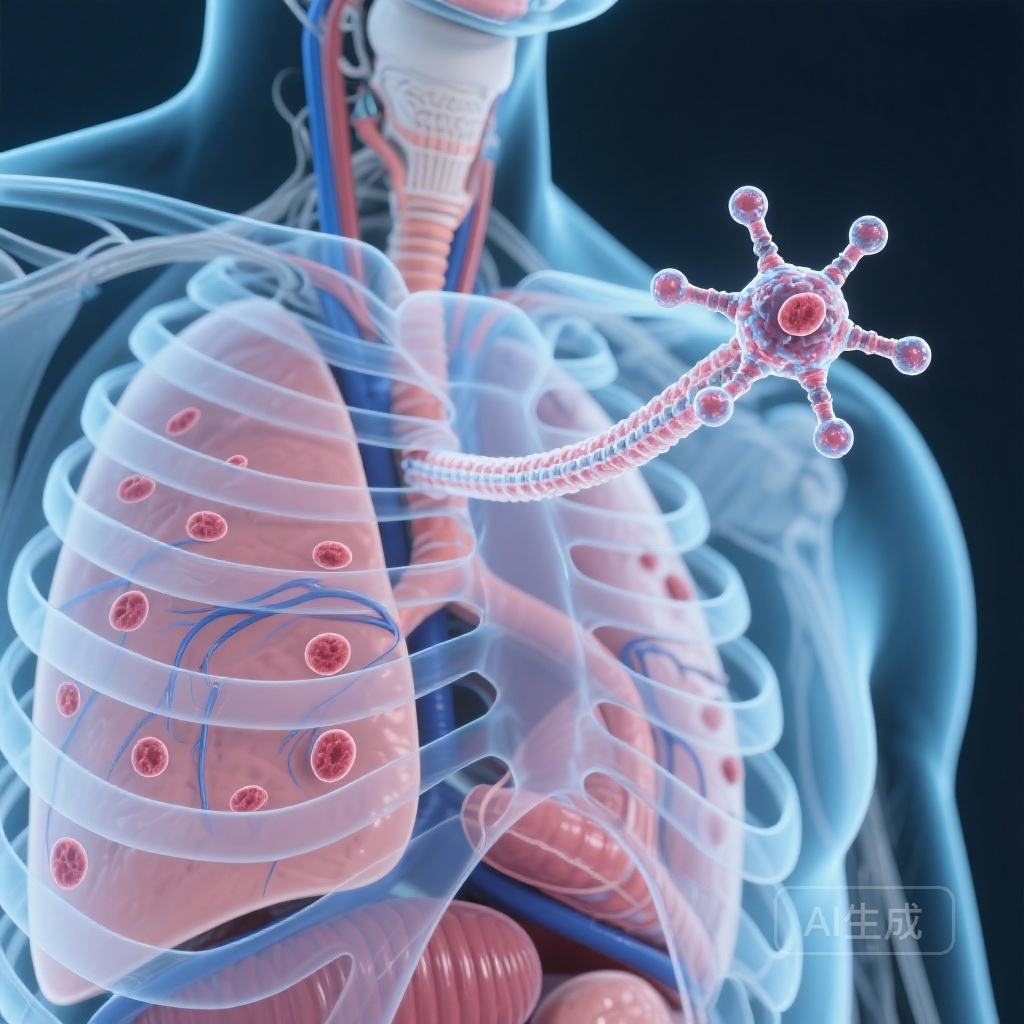
The WAYFINDER study reveals that tezepelumab significantly reduces OCS dependence in severe asthma, with over half of patients achieving complete discontinuation by week 52 while maintaining asthma control, regardless of baseline inflammatory biomarkers.
Redefining Reliever Therapy: Budesonide-Formoterol Outperforms SABA in Controlling Airway Inflammation Among Patients on Maintenance Corticosteroids

Redefining Reliever Therapy: Budesonide-Formoterol Outperforms SABA in Controlling Airway Inflammation Among Patients on Maintenance Corticosteroids

The INFORM ASTHMA trial demonstrates that budesonide-formoterol as a reliever significantly reduces Type 2 airway inflammation (FeNO) compared to terbutaline in adults already using maintenance inhaled corticosteroids, establishing a new evidence base for anti-inflammatory reliever strategies in moderate asthma.
Stratifying Risk in Cow’s Milk Allergy: BAT Emerges as the Superior Biomarker for Severity and Threshold

Stratifying Risk in Cow’s Milk Allergy: BAT Emerges as the Superior Biomarker for Severity and Threshold

The BAT2 study reveals that the Basophil Activation Test (BAT) is the only biomarker capable of accurately predicting reaction severity to baked milk and the sensitivity threshold for fresh milk, offering a transformative tool for clinical risk assessment and personalized management of cow's milk allergy.

Precision Gene Correction via Prime Editing Restores NADPH Oxidase Activity in Patients with p47phox-Deficient Chronic Granulomatous Disease

A Phase 1/2 clinical trial demonstrates that PM359, an autologous prime-edited CD34+ cell therapy, successfully corrects the delGT mutation in NCF1, restoring essential microbicidal function in patients with p47-CGD without the off-target risks associated with traditional CRISPR-Cas9.
Low‑Dose Interleukin‑2 Expands Regulatory T Cells and Modulates Biomarkers in Mild–Moderate Alzheimer’s Disease: Phase 2a Randomized Trial Shows Safety and Promising Signals

Low‑Dose Interleukin‑2 Expands Regulatory T Cells and Modulates Biomarkers in Mild–Moderate Alzheimer’s Disease: Phase 2a Randomized Trial Shows Safety and Promising Signals

A phase 2a randomized trial found low‑dose IL‑2 given every 4 weeks was safe, expanded regulatory T cells, altered peripheral inflammatory mediators, increased CSF Aβ42, stabilized NfL, and trended toward slower cognitive decline in mild–moderate AD.
Dupilumab Surpasses Omalizumab for Type‑2 Respiratory Disease: Converging Evidence from a Head‑to‑Head RCT, Real‑World US Data, and a Target‑Trial Emulation

Dupilumab Surpasses Omalizumab for Type‑2 Respiratory Disease: Converging Evidence from a Head‑to‑Head RCT, Real‑World US Data, and a Target‑Trial Emulation

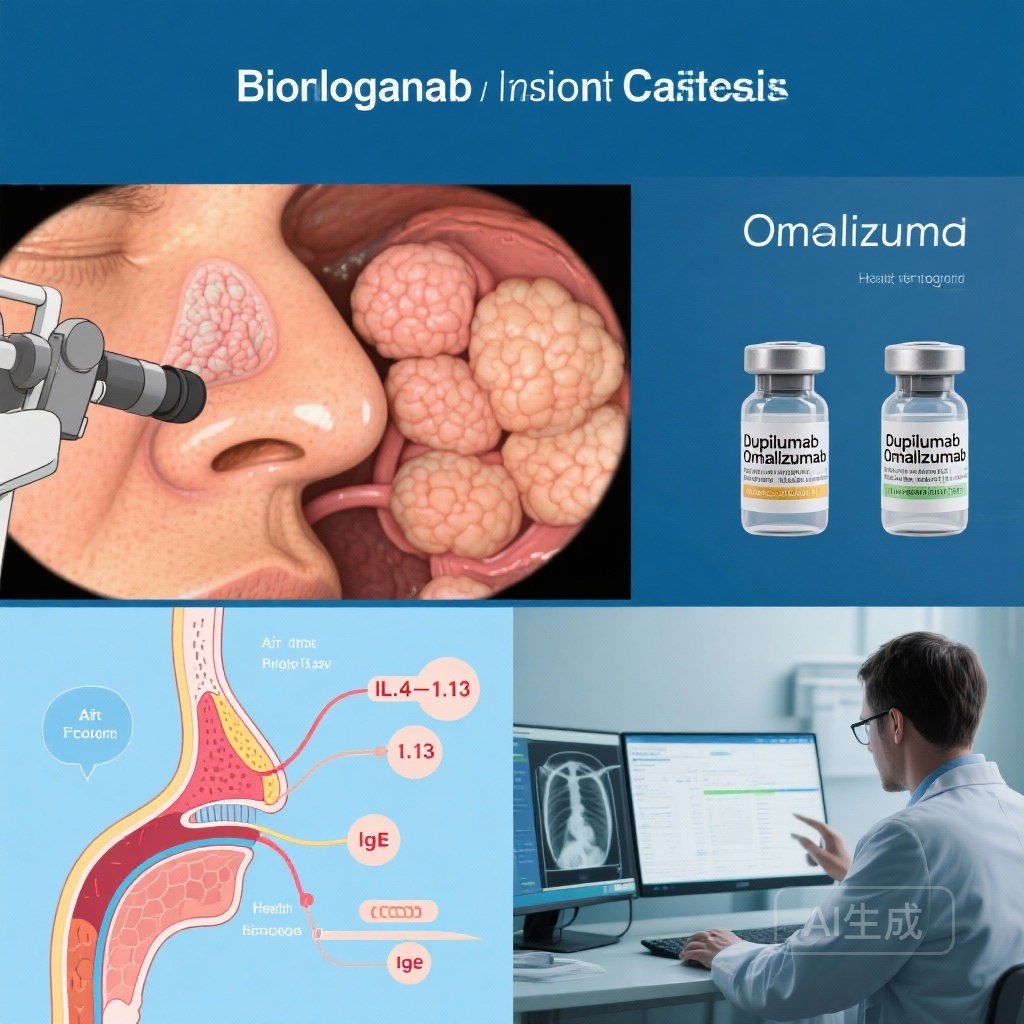
Three complementary studies—EVEREST (head‑to‑head RCT), the US ADVANTAGE real‑world study, and a target‑trial emulation—consistently show greater reductions in nasal polyp burden, smell loss, asthma exacerbations, and systemic steroid use with dupilumab versus omalizumab in type‑2 respiratory disease.
Seborrheic Dermatitis and Epithelial Barrier Diseases: Large Cohort Studies Support a Shared Barrier‑Driven Pathogenesis

Seborrheic Dermatitis and Epithelial Barrier Diseases: Large Cohort Studies Support a Shared Barrier‑Driven Pathogenesis

Two large US retrospective cohort studies show seborrheic dermatitis is strongly associated with a range of epithelial barrier diseases (skin, respiratory, gastrointestinal, ocular), with evidence of bidirectional risk. Findings support the epithelial barrier theory and prompt integrated clinical awareness and mechanistic research.