Telemedicine Critical Care Billing Among Hospitalized Medicare Fee-For-Service Beneficiaries: Trends, Determinants, and Implications from 2018 to 2024

Telemedicine Critical Care Billing Among Hospitalized Medicare Fee-For-Service Beneficiaries: Trends, Determinants, and Implications from 2018 to 2024

This review synthesizes evidence on the adoption and billing practices of telemedicine critical care for Medicare beneficiaries from 2018 to 2024, highlighting pandemic-driven shifts, provider and hospital characteristics influencing utilization, and the need for further evaluation of clinical and economic outcomes.
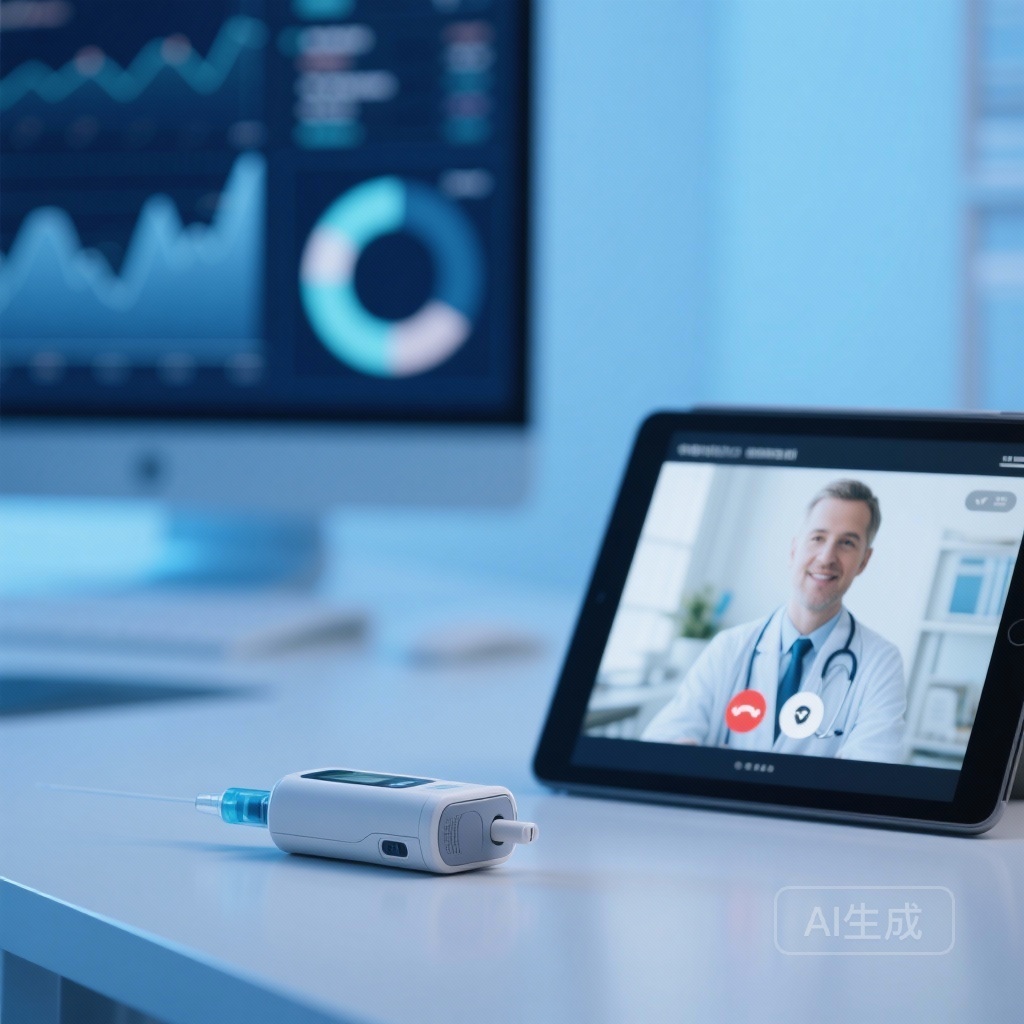
Video Consultations for Insulin Pump-Treated Type 1 Diabetes: Non-Inferior Glycemic Control with Nuanced Patient Outcomes

Video Consultations for Insulin Pump-Treated Type 1 Diabetes: Non-Inferior Glycemic Control with Nuanced Patient Outcomes

A 52-week RCT demonstrates that video consultations achieve comparable Time in Range (TiR) to physical visits for T1D patients on insulin pumps. While the intervention improved HbA1c and treatment satisfaction, it was associated with an inferior impact on patient quality of life.
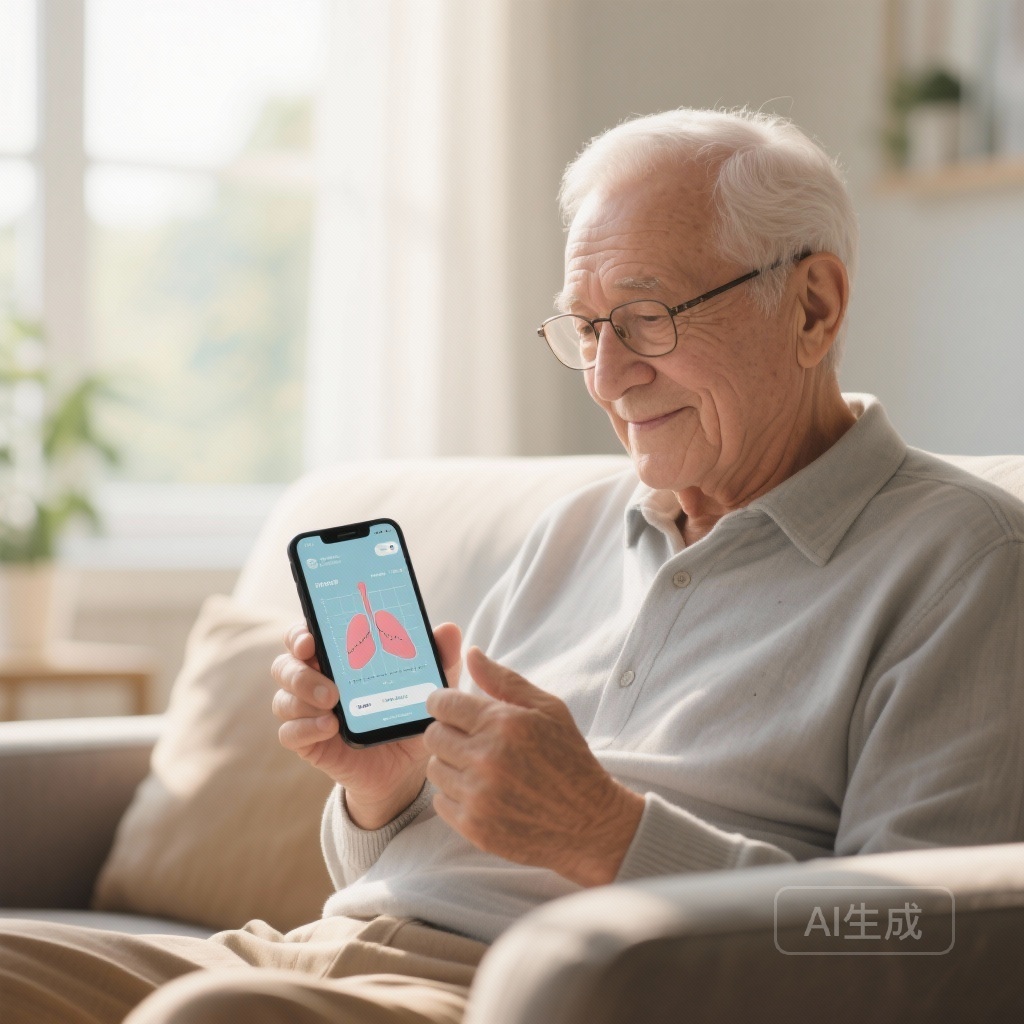
Smartphone-Based Pulmonary Rehabilitation Bridging the Gap in Chronic Respiratory Care: A Randomized Controlled and Feasibility Study

Smartphone-Based Pulmonary Rehabilitation Bridging the Gap in Chronic Respiratory Care: A Randomized Controlled and Feasibility Study

A randomized trial demonstrates that a smartphone app-based pulmonary rehabilitation program significantly improves quality of life and physical activity in patients with chronic respiratory diseases, offering a scalable alternative to traditional center-based care despite challenges in patient adherence.
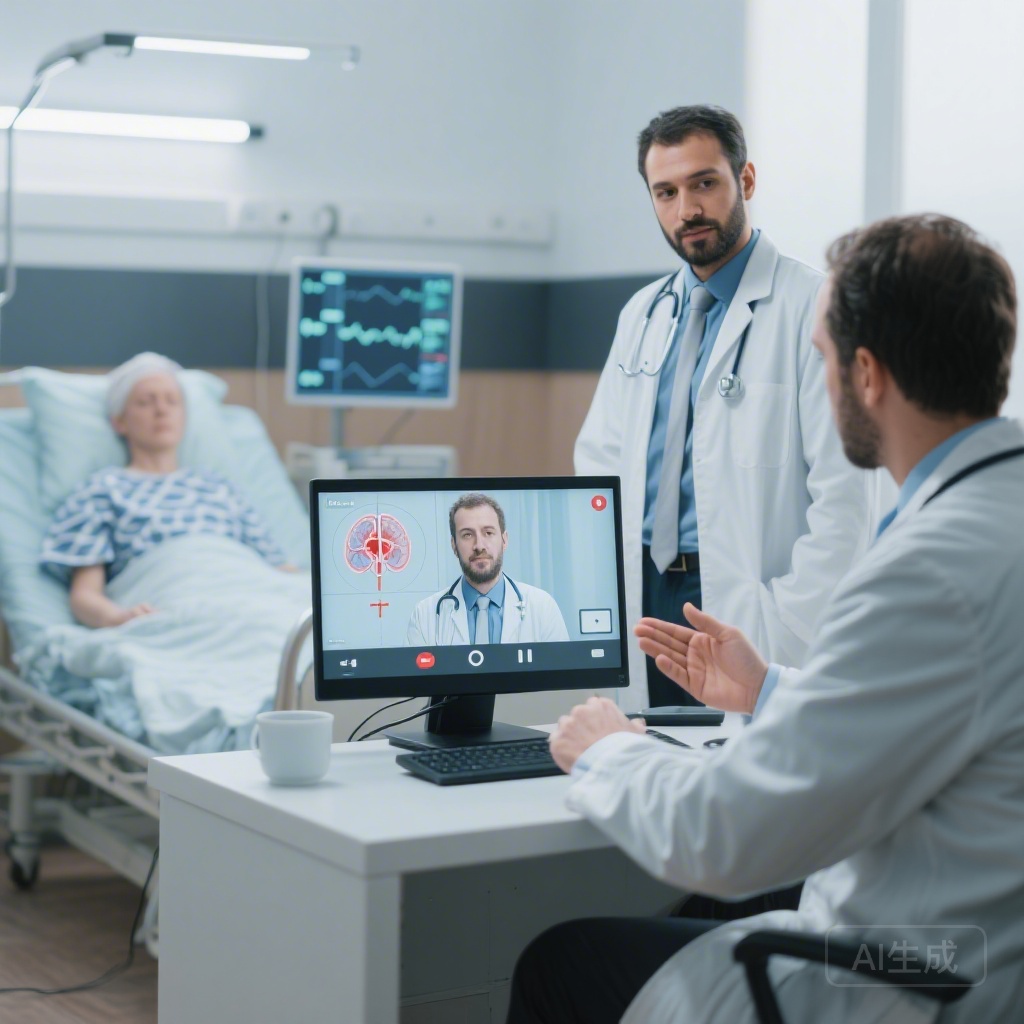
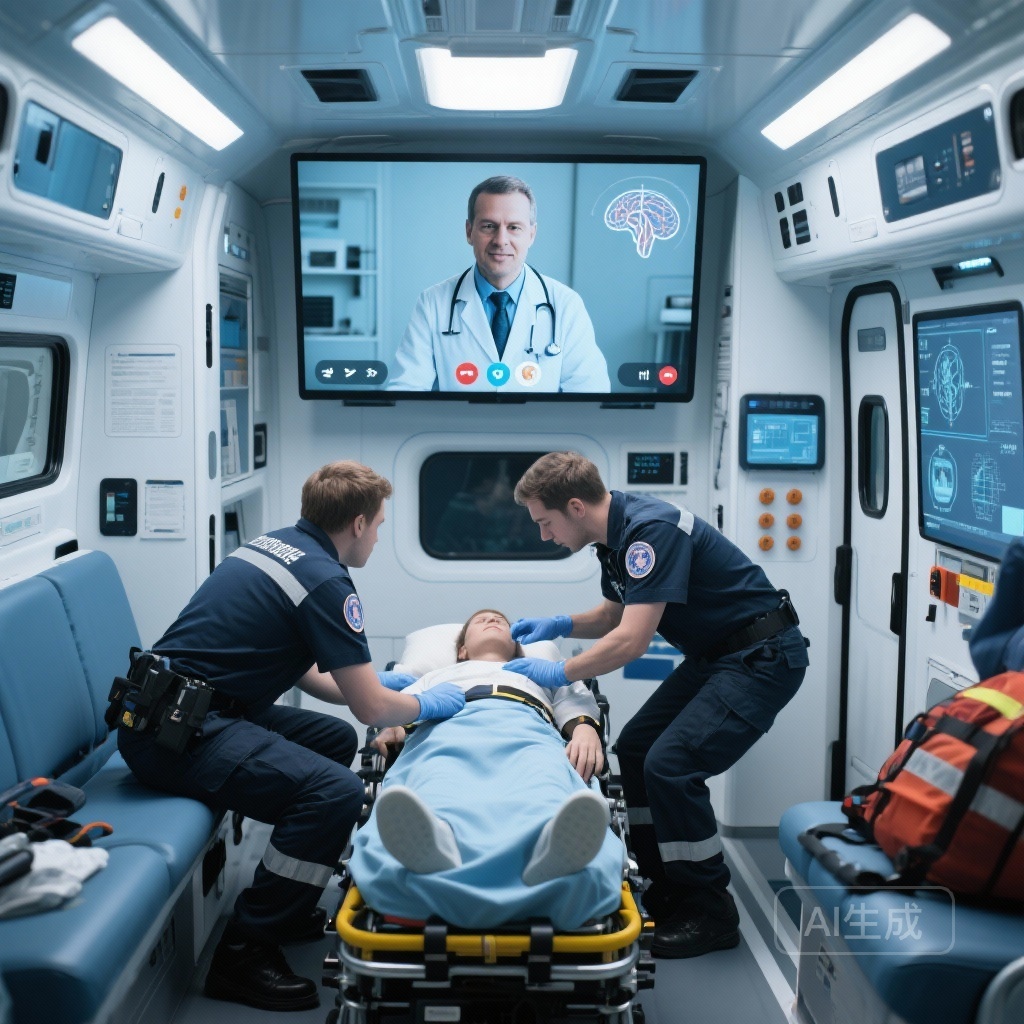
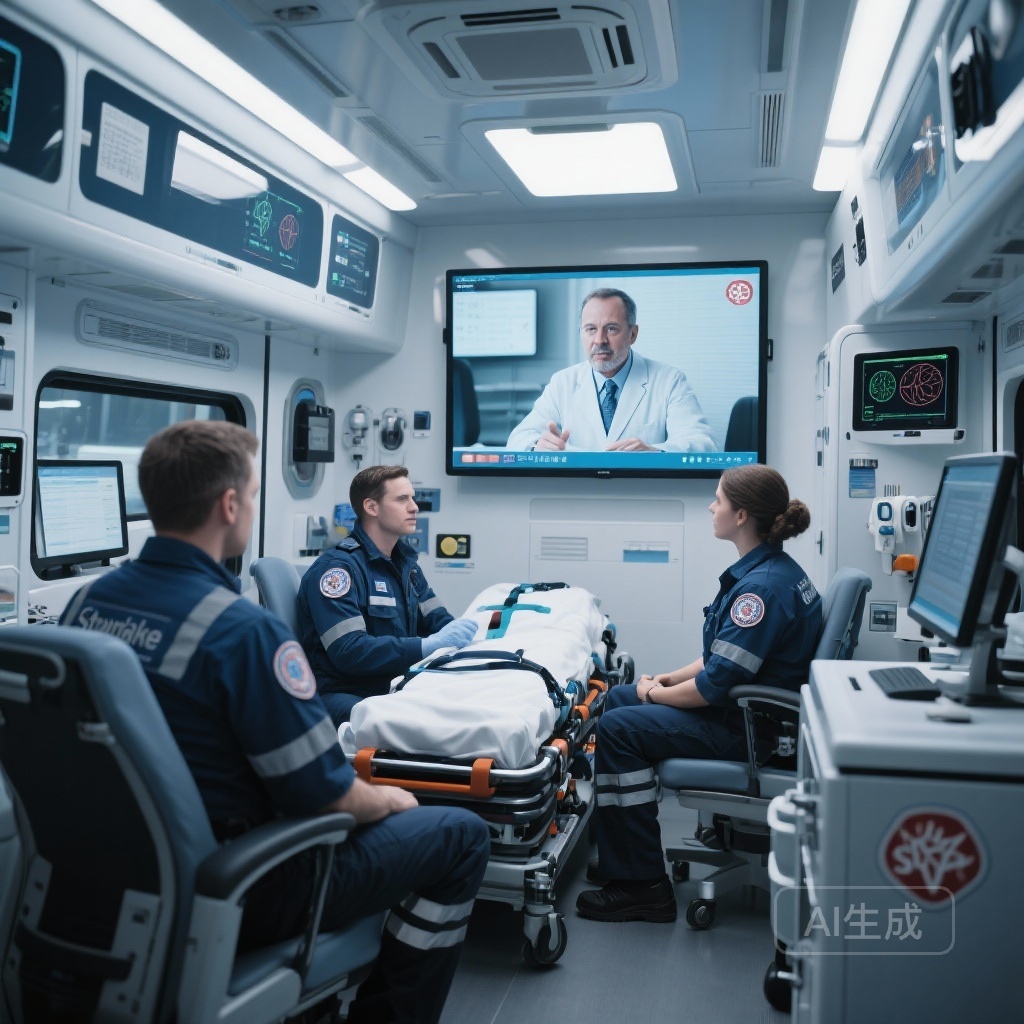
Telemedicine is Superior to Onboard Neurologists for Optimizing Mobile Stroke Unit Efficiency: Results from the MSU-TELEMED Trial

Telemedicine is Superior to Onboard Neurologists for Optimizing Mobile Stroke Unit Efficiency: Results from the MSU-TELEMED Trial

The MSU-TELEMED trial demonstrates that a telemedicine model for mobile stroke units significantly improves neurologist resource utilization while maintaining safety, outperforming the traditional onboard neurologist model in a hierarchical composite outcome despite a minor four-minute treatment decision delay.