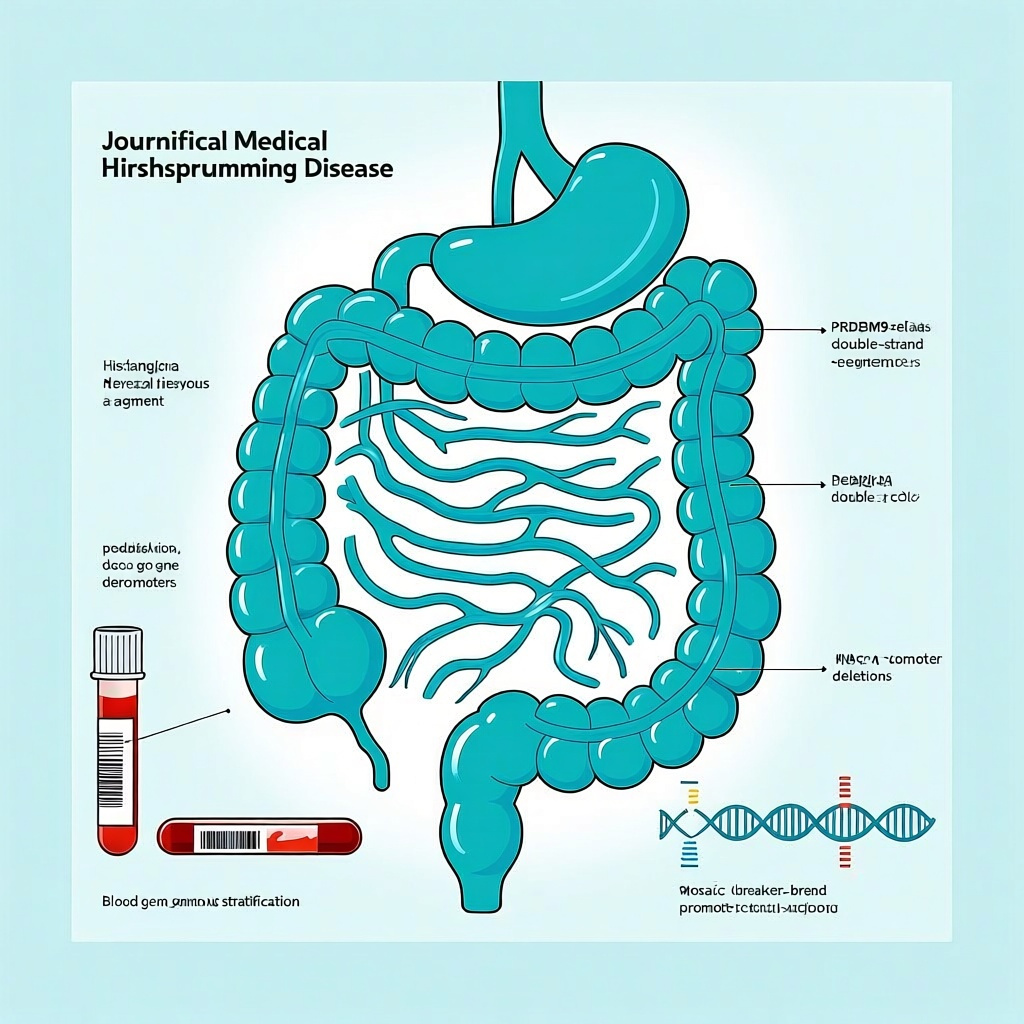
PRDM9 Deficiency Identifies a Predominant Molecular Subgroup in Sporadic Hirschsprung Disease and Enables Blood-based Risk Stratification

PRDM9 Deficiency Identifies a Predominant Molecular Subgroup in Sporadic Hirschsprung Disease and Enables Blood-based Risk Stratification

A 2026 Gastroenterology study links PRDM9 deficiency to ectopic DNA breaks, mosaic promoter deletions, and impaired enteric neuronal differentiation in sporadic Hirschsprung disease, while introducing a blood-based molecular score that improves case discrimination, especially when combined with polygenic risk.
Polygenic Risk Scores Reveal the Complex Interplay Between Genetic Liability, Aggression, and Childhood Trauma in Suicidal Behavior

Polygenic Risk Scores Reveal the Complex Interplay Between Genetic Liability, Aggression, and Childhood Trauma in Suicidal Behavior

This large-scale case-control study examines how polygenic risk scores for suicide attempt intersect with clinical traits and environmental stressors. Findings indicate that genetic liability significantly correlates with aggression, depression severity, and childhood trauma, providing a nuanced map of suicidal risk factors.
Genetic Risk Profile Predicts Stroke Prevention Benefit From Continuous Atrial Fibrillation Screening: A Secondary Analysis of the LOOP Study

Genetic Risk Profile Predicts Stroke Prevention Benefit From Continuous Atrial Fibrillation Screening: A Secondary Analysis of the LOOP Study

A secondary analysis of the LOOP study demonstrates that continuous ECG screening with implantable loop recorders significantly reduces stroke and systemic embolism in individuals with high genetic risk for atrial fibrillation, while potentially increasing bleeding risk in lower-risk cohorts.