Ten-Year Comparative Outcomes of Sacrospinous Hysteropexy With Mesh Versus Vaginal Hysterectomy for Uterovaginal Prolapse: Long-Term Efficacy and Safety

Ten-Year Comparative Outcomes of Sacrospinous Hysteropexy With Mesh Versus Vaginal Hysterectomy for Uterovaginal Prolapse: Long-Term Efficacy and Safety

This 10-year randomized clinical trial reveals that sacrospinous hysteropexy with mesh offers lower failure rates and comparable safety to vaginal hysterectomy in treating uterovaginal prolapse, supporting its use as an effective uterine-preserving alternative.
10-Year Randomized Outcomes of Transcatheter or Surgical Aortic Valve Replacement in Intermediate-Risk Aortic Stenosis: What PARTNER 2A Adds to the Long-Term TAVR Evidence Base

10-Year Randomized Outcomes of Transcatheter or Surgical Aortic Valve Replacement in Intermediate-Risk Aortic Stenosis: What PARTNER 2A Adds to the Long-Term TAVR Evidence Base

The PARTNER 2A 10-year data show higher mortality and reintervention with balloon-expandable SAPIEN XT TAVR versus surgery in intermediate-risk patients, driven mainly by transthoracic access. Contemporary 10-year SAPIEN 3 data, however, suggest outcomes comparable to surgery.
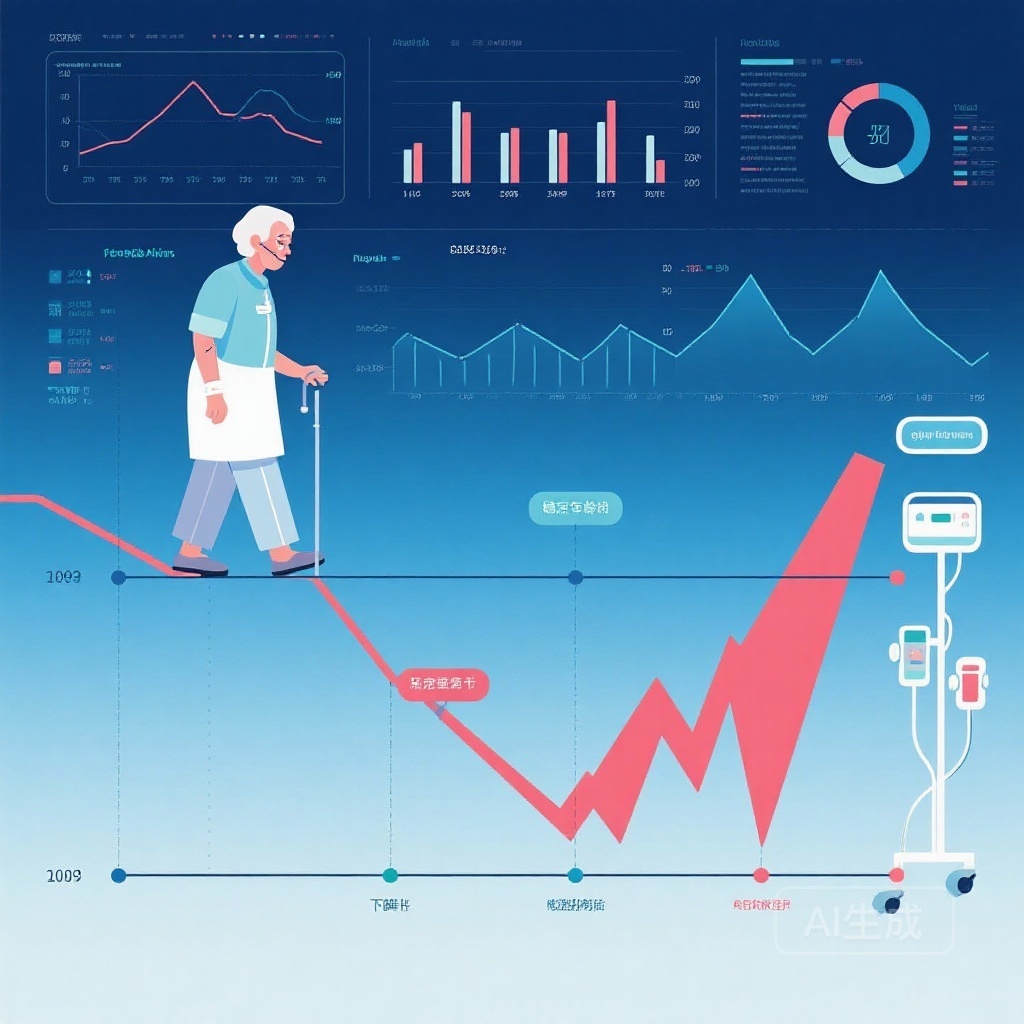
The Long Shadow of the ICU: Identifying High-Risk Functional Trajectories in Older Survivors

The Long Shadow of the ICU: Identifying High-Risk Functional Trajectories in Older Survivors

A large-scale longitudinal study reveals that ICU survivors aged 60–79 face significantly higher 5-year excess mortality and functional decline compared to the general population, whereas outcomes for nonagenarians converge with their peers, highlighting a critical window for geriatric intervention and advance care planning.
Early Neuromuscular Electrical Stimulation Plus Mobilization Improves 6‑Month Function and Quality of Life After Critical Illness

Early Neuromuscular Electrical Stimulation Plus Mobilization Improves 6‑Month Function and Quality of Life After Critical Illness

In a randomized, blinded trial of 74 mechanically ventilated ICU patients, adding early NMES to an early mobilization program started within 48 hours improved functional status, independence, mobility, and quality of life up to 6 months after discharge versus mobilization alone.