Skip to content
medxy logo Medxy AI
  • Specialties
    • Allergy & Immunology
    • Anesthesiology
    • Cardiology
    • Critical Care
    • Dermatology
    • Diabetes & Endocrinology
    • Emergency Medicine
    • Family Medicine & Nutrition
    • Gastroenterology
    • General Surgery
    • Hematology-Oncology
    • HIV/AIDS
    • Infectious Diseases
    • Internal Medicine
    • Nephrology
    • Neurology
    • Nursing & care
    • OB/GYN & Women’s Health
    • Oncology
    • Ophthalmology
    • Orthopedics
    • Otorhinolaryngology
    • Pathology & Lab Medicine
    • Pediatrics
    • Plastic Surgery
    • Psychiatry
    • Public Health
    • Radiology
    • Respiratory
    • Rheumatology
    • Urology
  • Clinical Updates
  • Medical News
  • iDoctor
  • Specialties
    • Allergy & Immunology
    • Anesthesiology
    • Cardiology
    • Critical Care
    • Dermatology
    • Diabetes & Endocrinology
    • Emergency Medicine
    • Family Medicine & Nutrition
    • Gastroenterology
    • General Surgery
    • Hematology-Oncology
    • HIV/AIDS
    • Infectious Diseases
    • Internal Medicine
    • Nephrology
    • Neurology
    • Nursing & care
    • OB/GYN & Women’s Health
    • Oncology
    • Ophthalmology
    • Orthopedics
    • Otorhinolaryngology
    • Pathology & Lab Medicine
    • Pediatrics
    • Plastic Surgery
    • Psychiatry
    • Public Health
    • Radiology
    • Respiratory
    • Rheumatology
    • Urology
  • Clinical Updates
  • Medical News
  • iDoctor
  • facebook.com
  • twitter.com
  • t.me
  • instagram.com
  • youtube.com
Subscribe

Macrophages

  • Home
  • Macrophages
Macrophage circHIPK2 Silencing Reduces Post-Infarction Inflammation and Fibrosis and Improves Cardiac Recovery
Posted inAllergy & Immunology Cardiology news

Macrophage circHIPK2 Silencing Reduces Post-Infarction Inflammation and Fibrosis and Improves Cardiac Recovery

Posted by MedXY By MedXY 06/10/2026
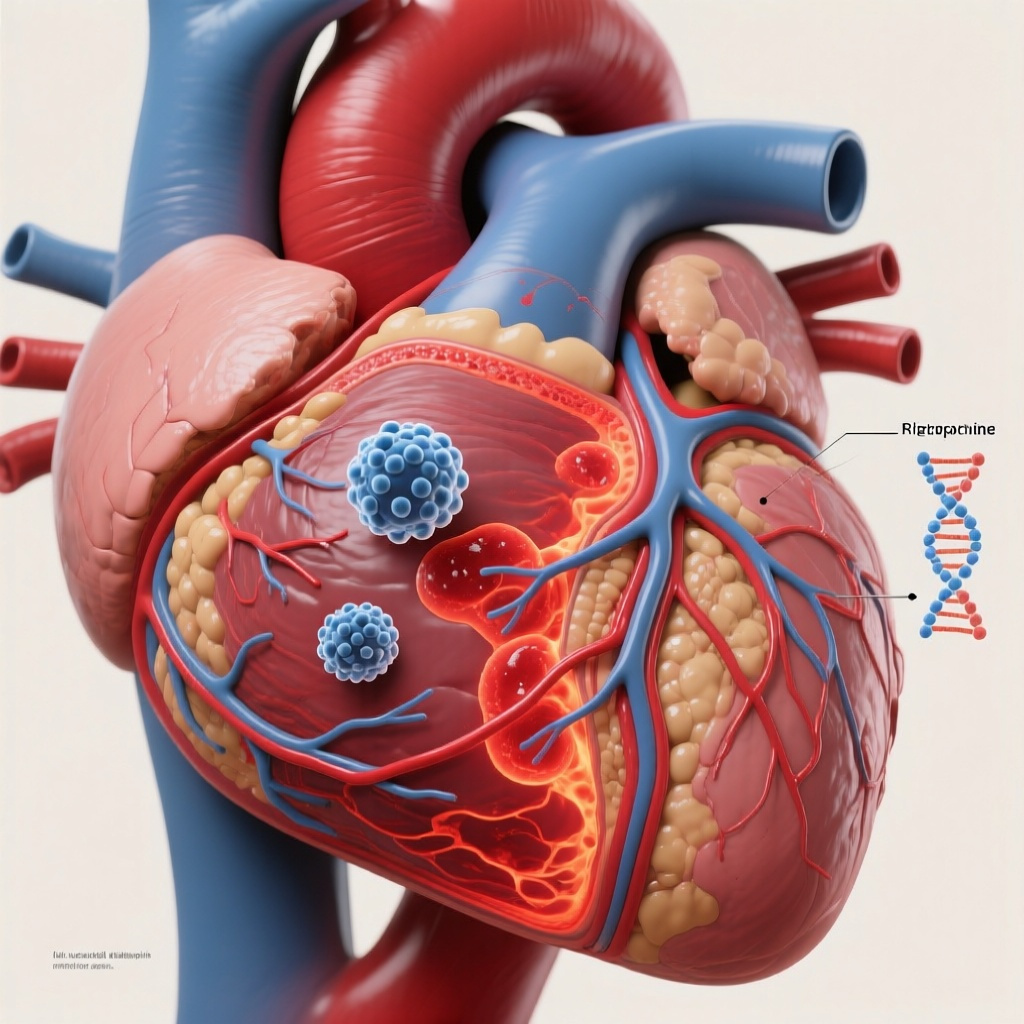
A 2026 European Heart Journal study identifies macrophage circHIPK2 as a regulator of post-MI inflammation and fibrosis, with macrophage-targeted silencing improving cardiac remodeling in mice and showing translational promise in human myocardial tissue models.
Read More
Macrophage circHIPK2 After Myocardial Infarction: A New RNA Node Linking Inflammation, Stress Granules, and Fibrotic Remodelling
Posted inClinical Updates news

Macrophage circHIPK2 After Myocardial Infarction: A New RNA Node Linking Inflammation, Stress Granules, and Fibrotic Remodelling

Posted by MedXY By MedXY 06/10/2026
A 2026 European Heart Journal study identifies macrophage circHIPK2 as a regulator of post-MI inflammation and fibrosis, integrating circular RNA biology with macrophage polarization, stress-granule signaling, and emerging immune-targeted RNA therapeutics.
Read More
The Hidden Driver of Chronic Pain: How Macrophages Fuel Neuropathic Symptoms
Posted inAnesthesiology Neurology news

The Hidden Driver of Chronic Pain: How Macrophages Fuel Neuropathic Symptoms

Posted by MedXY By MedXY 03/27/2026
Researchers using human stem cell models have discovered that macrophages actively amplify the electrical signals of damaged nerves, driving the spontaneous pain characteristic of neuropathy, offering a new target for non-opioid pain relief.
Read More
Neuro-Immune Crosstalk: Macrophages Directly Amplify Spontaneous Activity in Damaged Human Sensory Neurons
Posted inAnesthesiology Neurology news

Neuro-Immune Crosstalk: Macrophages Directly Amplify Spontaneous Activity in Damaged Human Sensory Neurons

Posted by MedXY By MedXY 03/22/2026
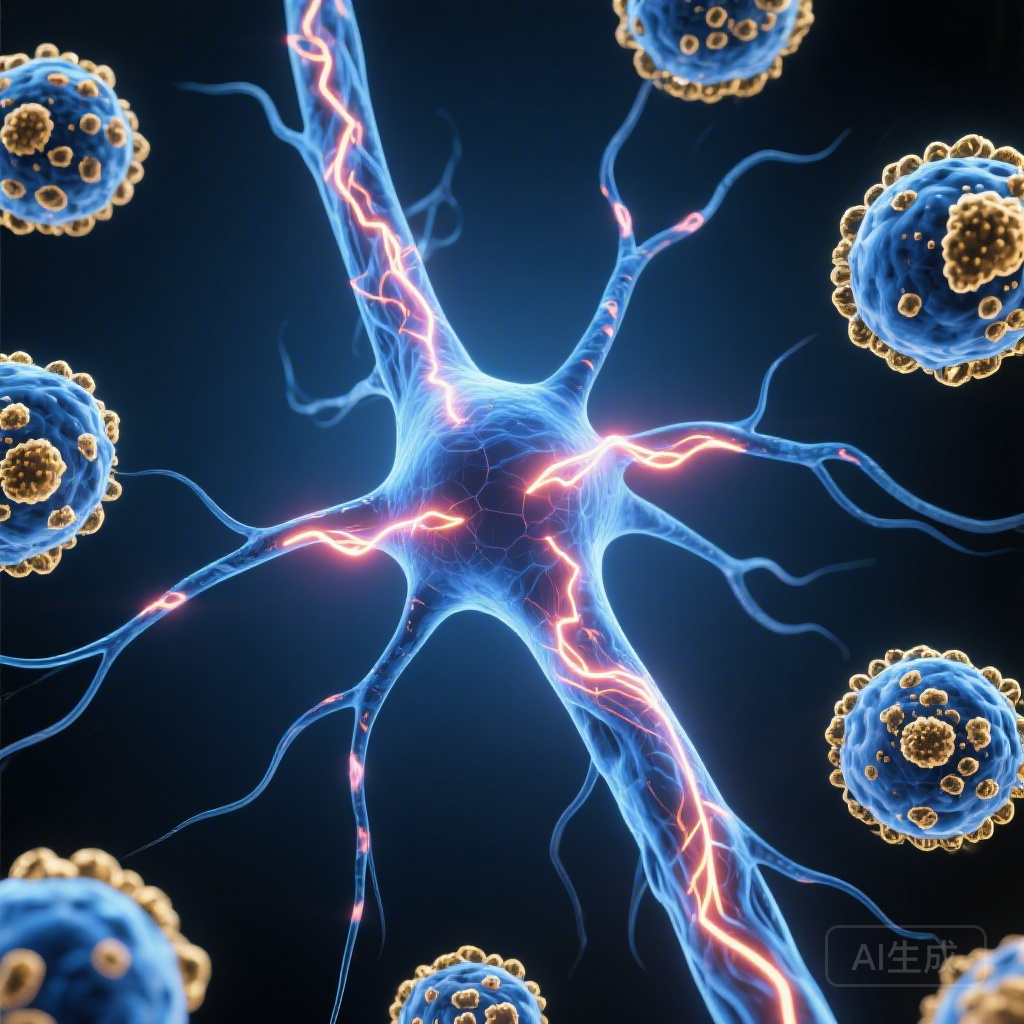
A groundbreaking human iPSC-derived co-culture study reveals that macrophages respond to neuronal injury by adopting a pro-algesic state, directly intensifying spontaneous neuronal firing—a key driver of chronic neuropathic pain and a novel target for future analgesics.
Read More
PRMT9 and Heart Recovery: A New Frontier in Macrophage Modulation and STAT1 Degradation
Posted inCardiology news

PRMT9 and Heart Recovery: A New Frontier in Macrophage Modulation and STAT1 Degradation

Posted by MedXY By MedXY 03/02/2026
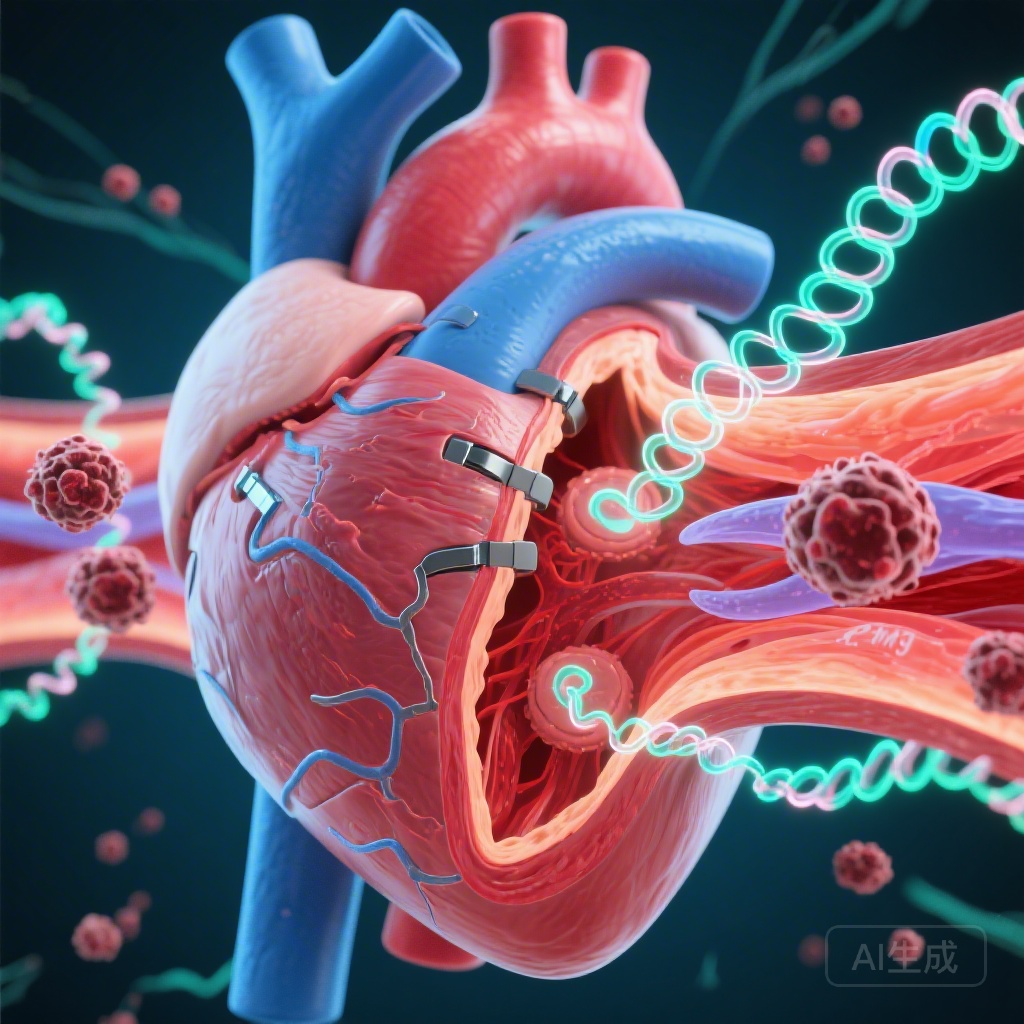
Researchers have discovered that the protein PRMT9 plays a vital role in healing the heart after a myocardial infarction by controlling inflammatory macrophages. By promoting the degradation of the STAT1 protein, PRMT9 reduces tissue damage and improves cardiac function.
Read More
  • Long-Term Exposure to PM2.5 Constituents and Coronary Heart Disease Risk in China: A Comprehensive Review
  • Impact of Medically Tailored Groceries on Glycemic Control in Medicaid-Insured Adults with Type 2 Diabetes: Insights from a Randomized Controlled Trial
  • Digital Standardized Skin Care Regimen Enhances Outcomes in Patients with Acne-Rosacea Comorbidity: Insights from a Real-World Longitudinal Cohort
  • What Lies Beneath: Navigating Carotid Artery Depth for Safe Hemostatic Net Use in Facelift Surgery
  • Clarifying Dorsal Preservation Rhinoplasty: Insights and Classification from Over a Thousand Cases
  • About us
  • Contact us
  • MedXY story
  • Privacy Policy
  • Subscribe Now!
  • 账号

  • English
  • 日本語
  • Tiếng Việt
  • 中文

Alzheimer's disease artificial intelligence atrial fibrillation biomarkers breast cancer Cardiology cardiovascular disease cardiovascular risk chronic kidney disease clinical trial clinical trials critical care diabetes epidemiology health heart failure hepatocellular carcinoma Hypertension immunotherapy inflammation MASLD mental health metformin Mortality myocardial infarction nutrition obesity older adults oncology Pediatrics precision medicine Pregnancy prostate cancer public health quality of life randomized clinical trial randomized controlled trial randomized trial risk stratification SGLT2 inhibitors stroke type 1 diabetes type 2 diabetes weight loss women's health

Your health, we care

Copyright 2026 — Medxy AI. All rights reserved.
Scroll to Top
Sign in