Understanding Acute Myocardial Infarction and the Inflammatory Challenge
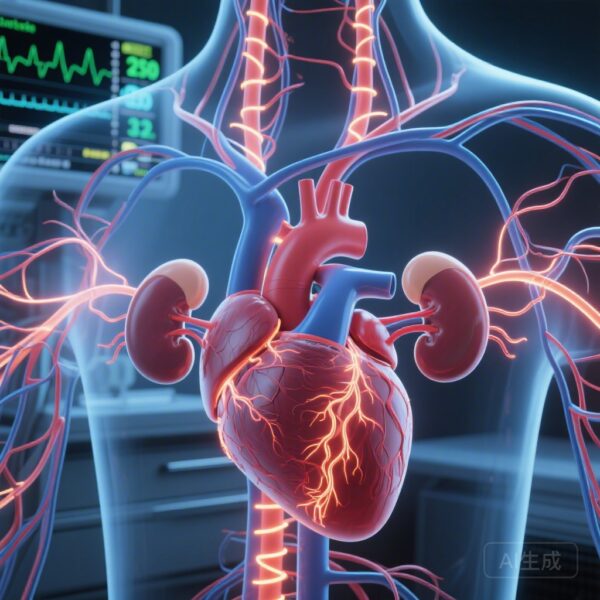
Acute myocardial infarction (AMI), commonly known as a heart attack, remains a leading cause of morbidity and mortality worldwide. It occurs when a coronary artery is obstructed, leading to oxygen deprivation and the subsequent death of heart muscle cells (cardiomyocytes). Following this injury, the body initiates a complex wound-healing process characterized by intense inflammation. While some degree of inflammation is necessary to clear dead cells and initiate repair, an excessive or prolonged inflammatory response can lead to further tissue destruction, adverse cardiac remodeling, and eventually heart failure. At the center of this inflammatory storm are macrophages, immune cells that can adopt different roles depending on the environment. In the early stages of a heart attack, M1-like macrophages dominate the landscape. These are pro-inflammatory cells that secrete cytokines to signal further immune recruitment. However, if their activity is not balanced by M2-like (reparative) macrophages, the heart suffers from excessive scarring and reduced pumping capacity. Identifying the molecular switches that control this macrophage transition is a primary goal of modern cardiovascular research.