Divergent Microbial Mechanisms and Predictive Signatures in Necrotising Enterocolitis: The Role of Gut Phages and Bacterial Resistomes

Divergent Microbial Mechanisms and Predictive Signatures in Necrotising Enterocolitis: The Role of Gut Phages and Bacterial Resistomes

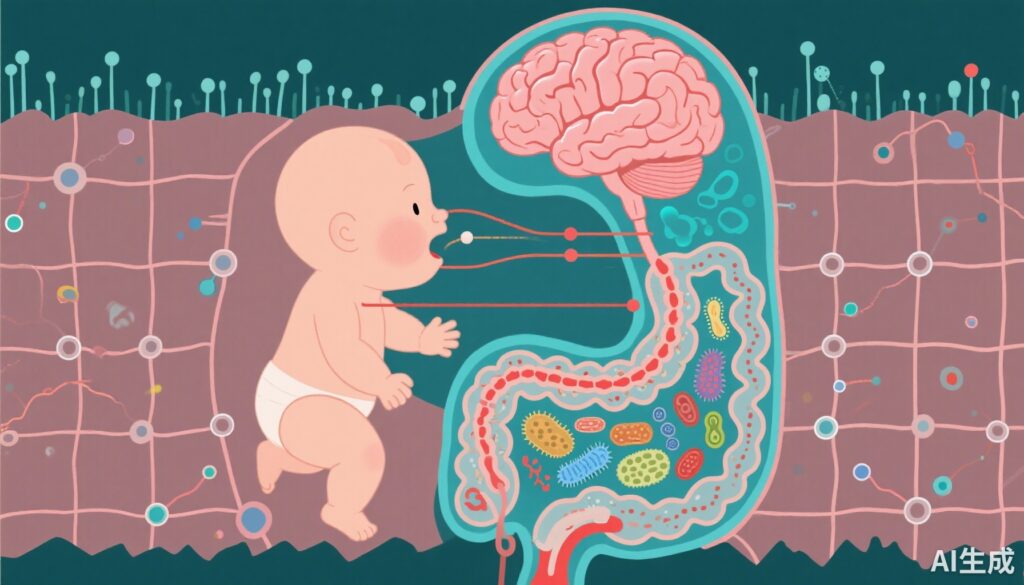
This review synthesizes evidence on the predictive and pathogenic roles of gut phages and bacterial resistomes in necrotising enterocolitis, highlighting divergent mechanisms for early- versus late-onset disease and translational opportunities for personalized risk stratification and interventions.
Stool Biospecimen Collection in Gynecologic Oncology: New Study Demonstrates Feasibility and Identifies Provider Engagement as Key Driver

Stool Biospecimen Collection in Gynecologic Oncology: New Study Demonstrates Feasibility and Identifies Provider Engagement as Key Driver

A prospective study evaluating at-home stool collection for gut microbiome research in gynecologic oncology demonstrates implementation feasibility with 61% patient enrollment. Provider engagement emerged as the strongest predictor of participation, establishing practical benchmarks for future translational microbiome studies.
The Tryptophan Tug-of-War: How Faecalibacterium prausnitzii Counteracts Bacteroides fragilis in Colorectal Cancer

The Tryptophan Tug-of-War: How Faecalibacterium prausnitzii Counteracts Bacteroides fragilis in Colorectal Cancer

A comprehensive multi-omics study reveals that Faecalibacterium prausnitzii metabolizes tryptophan into picolinic acid, which antagonizes the pro-tumorigenic effects of enterotoxigenic Bacteroides fragilis by down-regulating TCERG1 and CKAP2 genes, suggesting a potential dietary intervention for colorectal cancer.
Indole-3-Propionic Acid Bridges Gut Dysfunction and Diabetic Retinopathy — A Biomarker and Therapeutic Avenue

Indole-3-Propionic Acid Bridges Gut Dysfunction and Diabetic Retinopathy — A Biomarker and Therapeutic Avenue

A Gut 2025 study identifies microbially produced indole-3-propionic acid (IPA) as a protective metabolite linking restored intestinal tryptophan handling to prevention of diabetic retinopathy in mice and associates low serum IPA with retinopathy in people with type 2 diabetes.