Impact of Maternal Third-Trimester TRAb Levels on Neonatal Thyroid Function and Early Childhood Neurodevelopment: Insights from a Bidirectional Cohort Study

Impact of Maternal Third-Trimester TRAb Levels on Neonatal Thyroid Function and Early Childhood Neurodevelopment: Insights from a Bidirectional Cohort Study

Elevated maternal third-trimester TRAb levels in Graves' disease are linked to neonatal thyroid dysfunction and impaired neurodevelopment at 24 months, independent of neonatal thyroid status, highlighting the need for prenatal monitoring and intervention strategies.
Seborrheic Dermatitis and Epithelial Barrier Diseases: Large Cohort Studies Support a Shared Barrier‑Driven Pathogenesis

Seborrheic Dermatitis and Epithelial Barrier Diseases: Large Cohort Studies Support a Shared Barrier‑Driven Pathogenesis

Two large US retrospective cohort studies show seborrheic dermatitis is strongly associated with a range of epithelial barrier diseases (skin, respiratory, gastrointestinal, ocular), with evidence of bidirectional risk. Findings support the epithelial barrier theory and prompt integrated clinical awareness and mechanistic research.
SGLT-2 Inhibitors and Autoimmune Rheumatic Disease Risk Reduction in Type 2 Diabetes: Insights from a Korean Nationwide Cohort

SGLT-2 Inhibitors and Autoimmune Rheumatic Disease Risk Reduction in Type 2 Diabetes: Insights from a Korean Nationwide Cohort

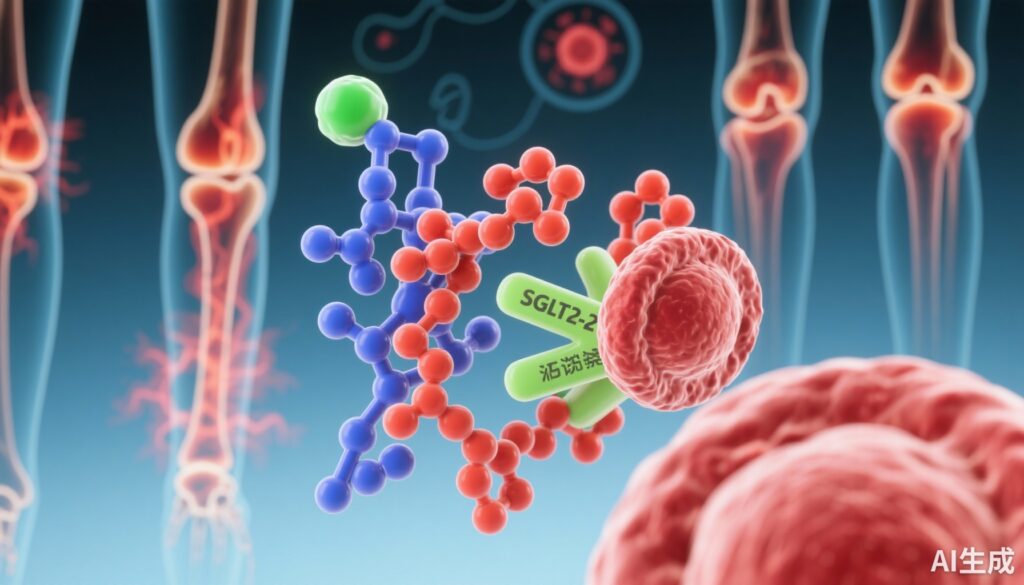
A large South Korean cohort study suggests that sodium-glucose cotransporter-2 (SGLT-2) inhibitors reduce the incidence of autoimmune rheumatic diseases by 11% compared to sulfonylureas in adults with type 2 diabetes, indicating potential immunomodulatory benefits of SGLT-2 inhibitors beyond glycemic control.
Association of Hysterectomy With Hypertension Incidence in Korean Women: Insights from a Nationwide Cohort Study

Association of Hysterectomy With Hypertension Incidence in Korean Women: Insights from a Nationwide Cohort Study

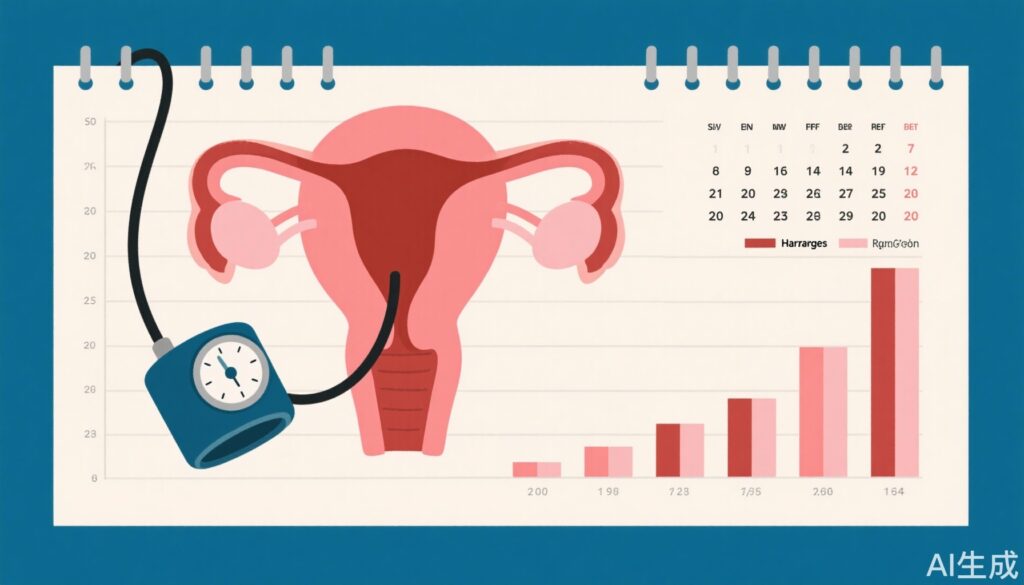
This nationwide Korean cohort study found that hysterectomy is associated with a modestly increased risk of developing hypertension in women aged 40 to 59 years, particularly in those with elevated post-surgical hemoglobin levels and after adnexa-sparing procedures.