Impact of Third-Trimester Energy Restriction on Postnatal Maternal and Infant Body Composition After Gestational Diabetes: Insights from the DiGest Follow-up Study

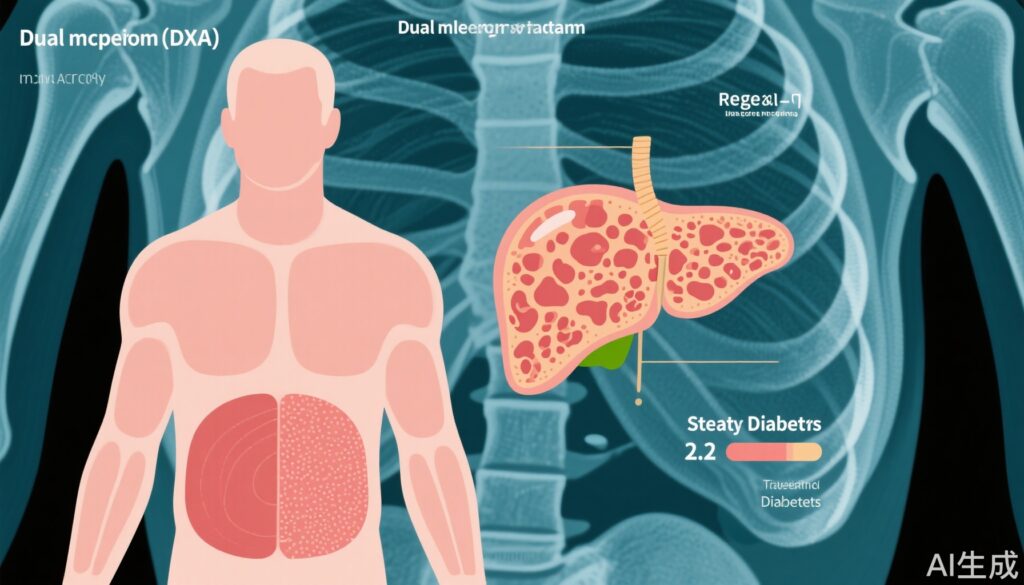
Impact of Third-Trimester Energy Restriction on Postnatal Maternal and Infant Body Composition After Gestational Diabetes: Insights from the DiGest Follow-up Study

Third-trimester energy restriction in women with gestational diabetes and elevated BMI does not adversely affect infant growth or body composition through the first postnatal year, suggesting safety of modest maternal weight loss in late pregnancy.
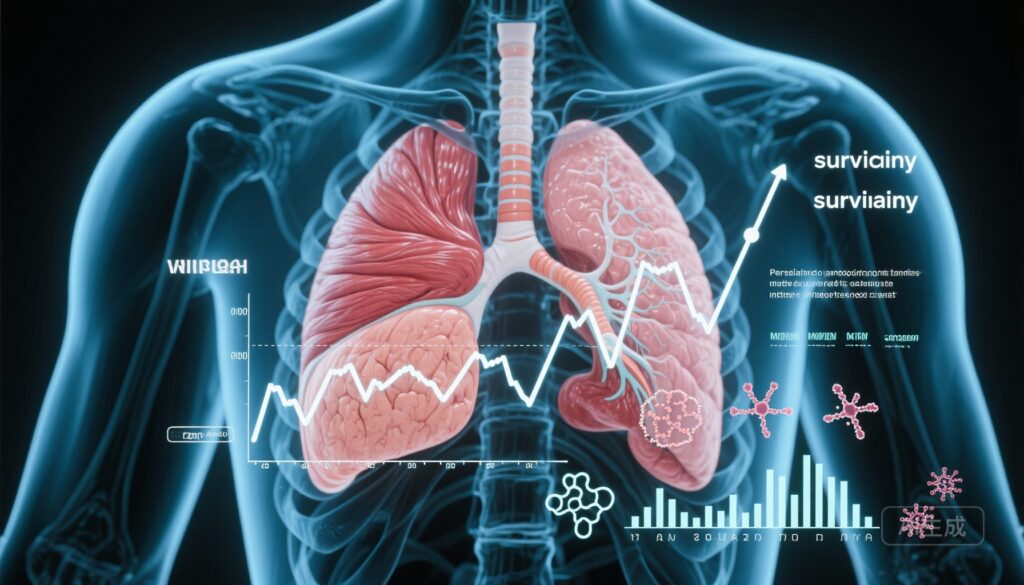
AI-Derived Body Composition Analysis Unveils Muscle Volume, Metformin-Associated Adipose Effects, and the Obesity Paradox in NSCLC: Clinical and Molecular Insights

AI-Derived Body Composition Analysis Unveils Muscle Volume, Metformin-Associated Adipose Effects, and the Obesity Paradox in NSCLC: Clinical and Molecular Insights

AI-driven analysis identifies muscle volume as a robust predictor of survival in NSCLC, highlights metformin-modulated adipose effects, and elucidates molecular links to the obesity paradox, informing personalized prognosis beyond BMI.
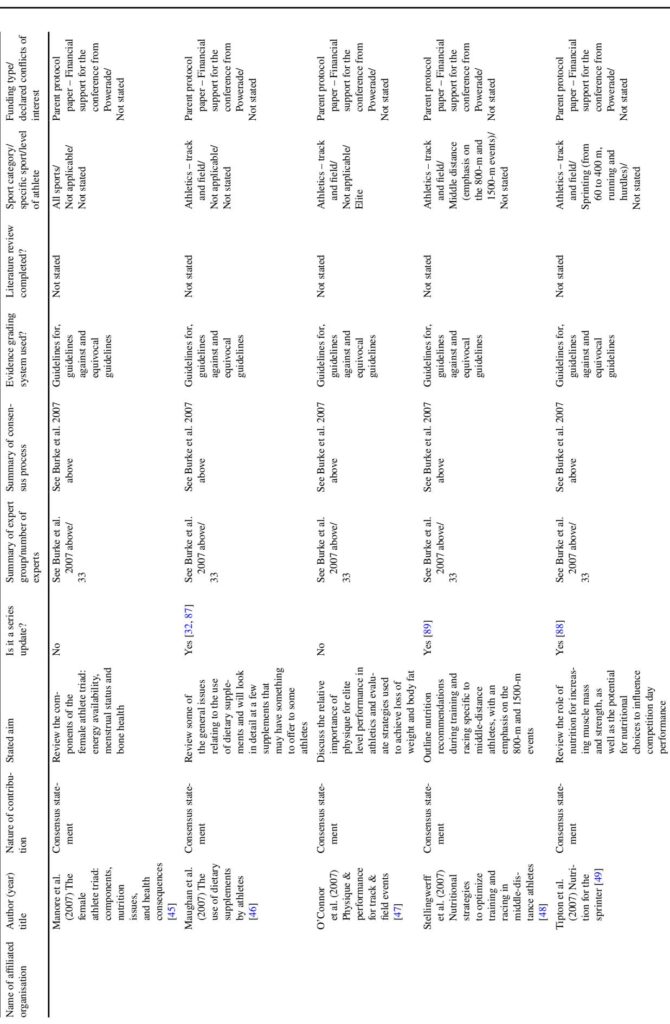
Clear, Safe, Sustainable: Expert Consensus on Dietary Strategies to Change Body Mass and Composition in Athletes (Scoping Review Summary)

Clear, Safe, Sustainable: Expert Consensus on Dietary Strategies to Change Body Mass and Composition in Athletes (Scoping Review Summary)

A practical, evidence-focused synthesis of 73 international consensus statements and position stands (Delany et al., 2025). Key takeaways: individualise targets, protect health (EA ≥30 kcal/kg FFM/day), use gradual rates, prioritise protein (≈1.6–2.4 g/kg/day), periodise carbohydrate, and be conservative with supplements.