Graded Sensorimotor Retraining for Chronic Low Back Pain: Clinical Efficacy and the Search for Treatment Responders

Graded Sensorimotor Retraining for Chronic Low Back Pain: Clinical Efficacy and the Search for Treatment Responders

The RESOLVE trial demonstrates that graded sensorimotor retraining provides modest pain relief for chronic low back pain. A secondary analysis reveals that these benefits are consistent across most patient subgroups, suggesting that the intervention is broadly applicable regardless of baseline psychological or physical factors.
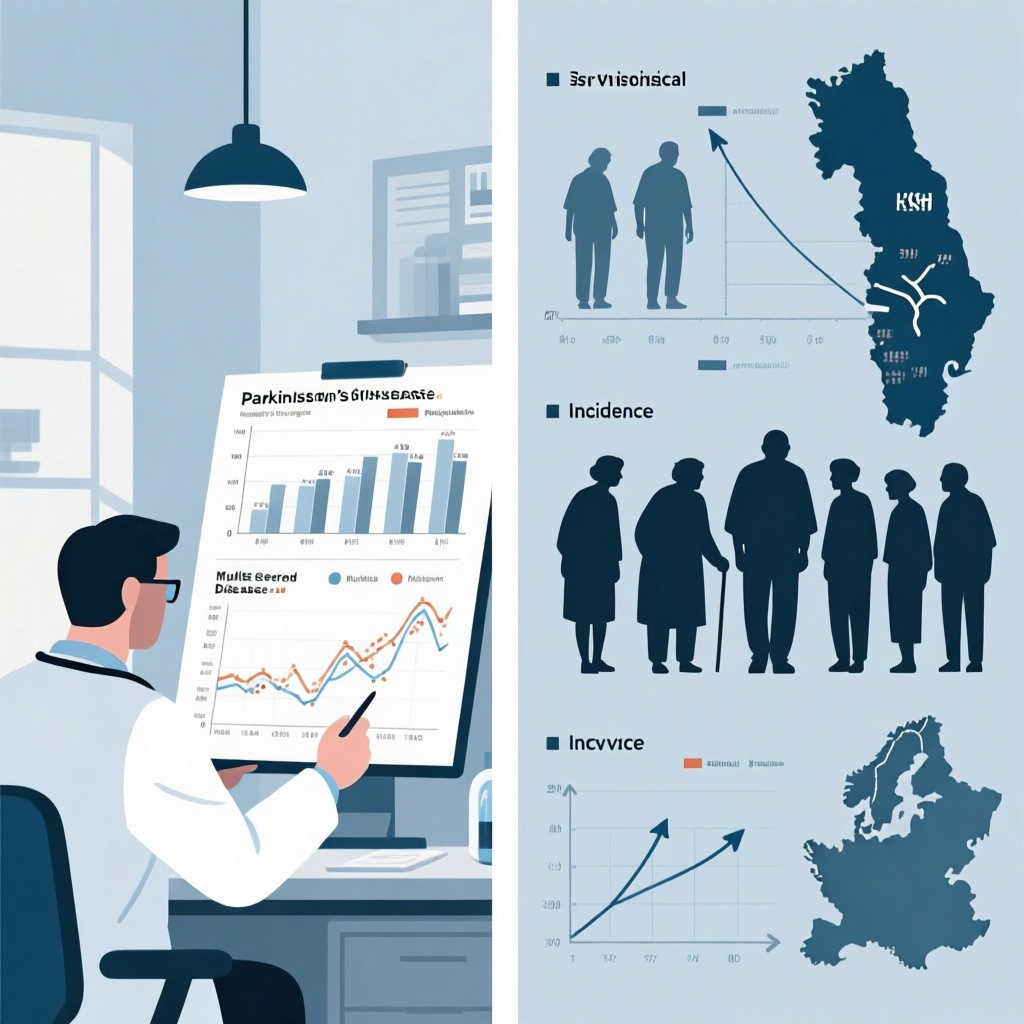
Rethinking First-Line Anticoagulation in Older Adults: Real-World Evidence Challenges Conventional AFib Management

Rethinking First-Line Anticoagulation in Older Adults: Real-World Evidence Challenges Conventional AFib Management

A large-scale study of 144,969 Medicare beneficiaries reveals that initial anticoagulant prescriptions for atrial fibrillation may not reduce ischemic stroke risk in patients over 66, while significantly increasing major bleeding hazards, suggesting a need for more nuanced, individualized clinical decision-making.
GLP-1 Receptor Agonists Associated with Significantly Lower Risk of Subarachnoid Hemorrhage in Patients with Intracranial Aneurysms

GLP-1 Receptor Agonists Associated with Significantly Lower Risk of Subarachnoid Hemorrhage in Patients with Intracranial Aneurysms

A large-scale retrospective cohort study reveals that GLP-1 receptor agonists reduce the risk of subarachnoid hemorrhage by 34% and all-cause mortality by 37% in patients with type 2 diabetes and intracranial aneurysms, suggesting a potent neuroprotective role for these metabolic agents.
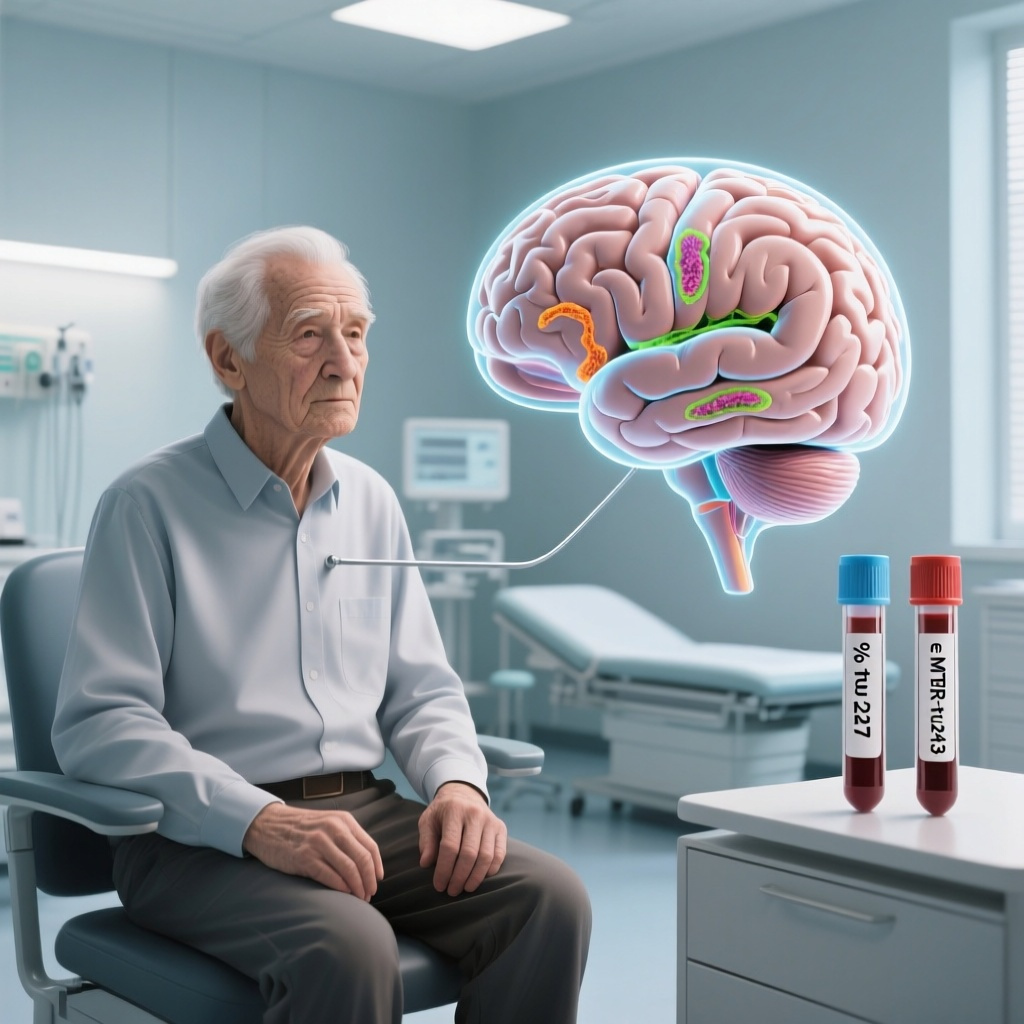
Age and Sex Redefine the Amyloid-to-Tau Transition: Establishing Patient-Centered PET Thresholds for Alzheimer’s Disease

Age and Sex Redefine the Amyloid-to-Tau Transition: Establishing Patient-Centered PET Thresholds for Alzheimer’s Disease

This study establishes patient-centered amyloid PET thresholds for tauopathy onset, revealing that age and sex significantly influence the transition from amyloidosis to tau accumulation. These personalized cut-offs better predict cognitive decline and offer a more precise framework for clinical intervention in Alzheimer's disease.
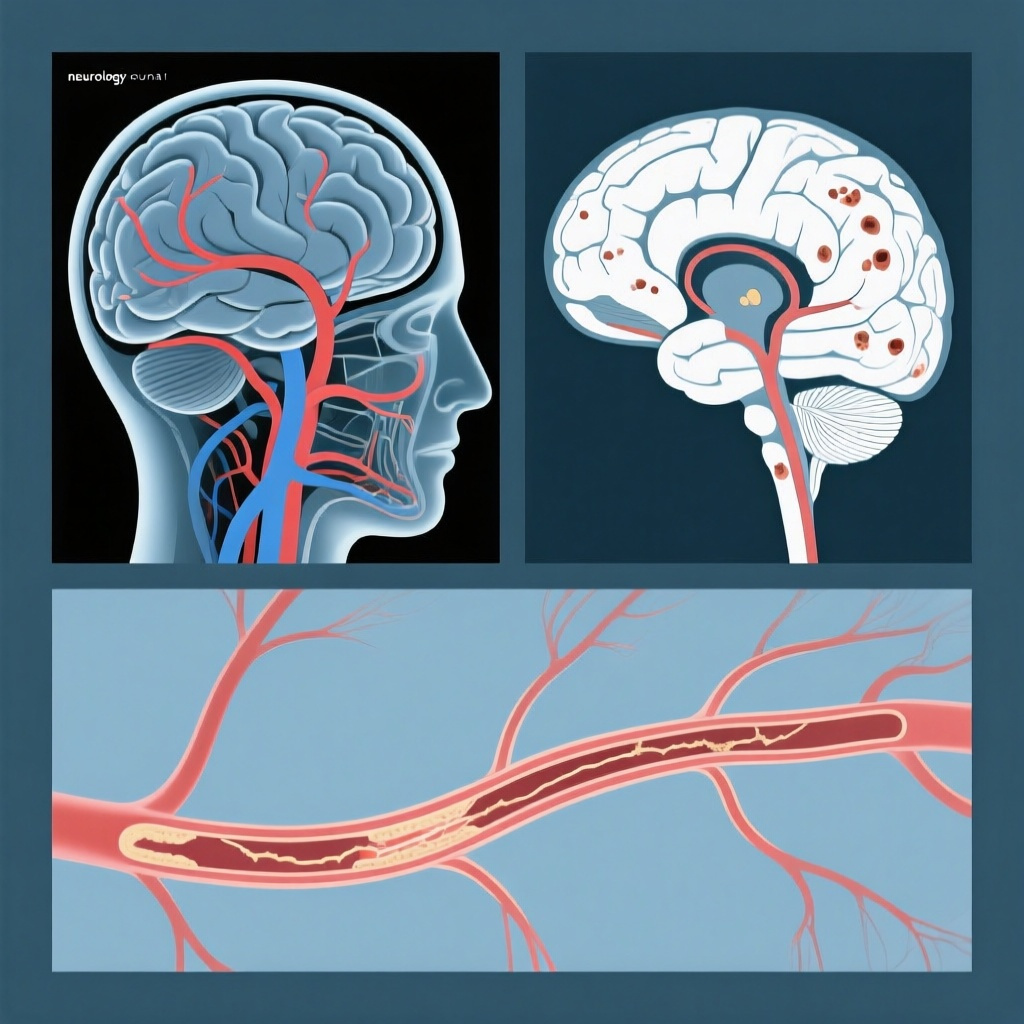
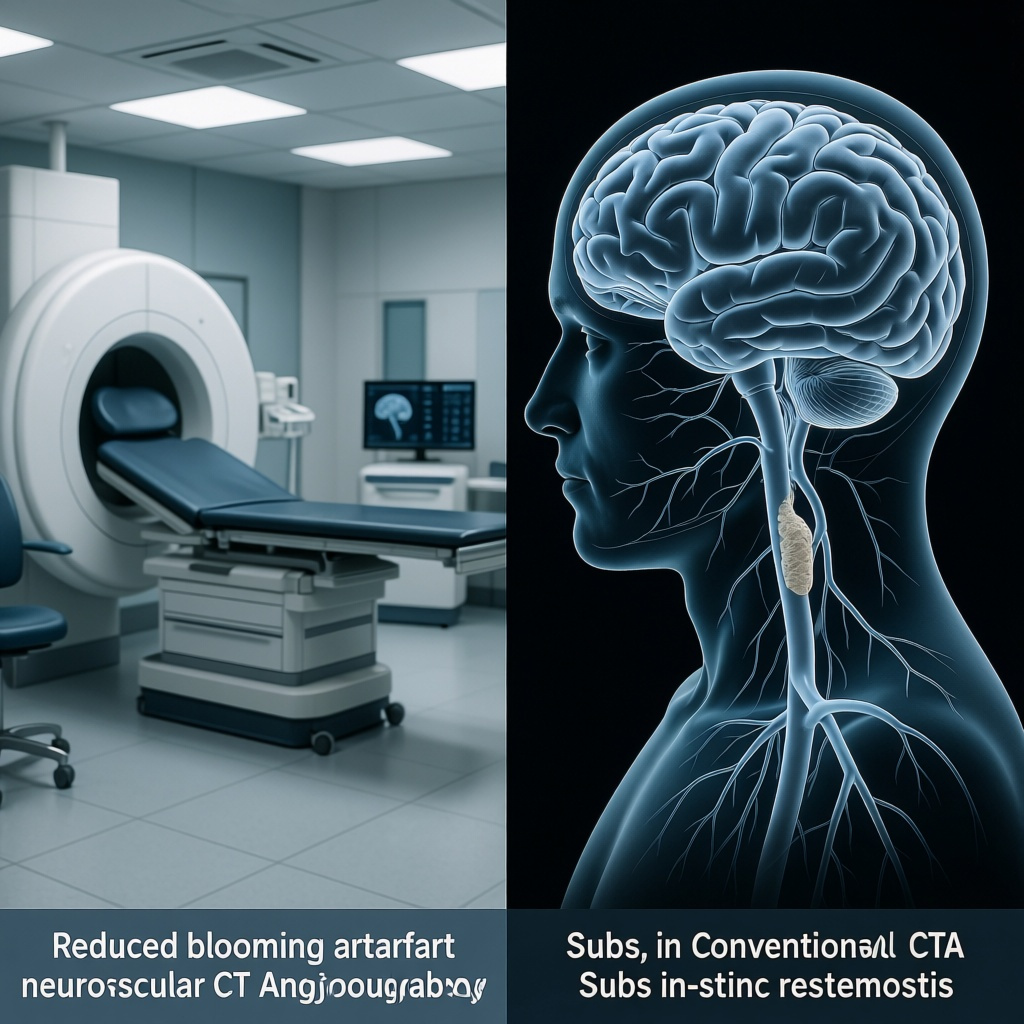
Emergent Carotid Stenting During Thrombectomy Superior for Tandem Lesion Stroke: Insights From the CERES-TANDEM Study

Emergent Carotid Stenting During Thrombectomy Superior for Tandem Lesion Stroke: Insights From the CERES-TANDEM Study

The CERES-TANDEM study provides Class II evidence that emergent carotid stenting (eCAS) during endovascular thrombectomy for tandem lesions significantly improves 90-day functional outcomes without increasing hemorrhagic risk, supporting its integration into clinical practice for acute anterior circulation ischemic stroke.
Refining Risk Stratification: The IsCHEMiA Score Outperforms Existing Models in Predicting Poststroke Epilepsy

Refining Risk Stratification: The IsCHEMiA Score Outperforms Existing Models in Predicting Poststroke Epilepsy

The IsCHEMiA score, an imaging-based risk model validated across international cohorts, offers superior prediction of poststroke epilepsy compared to previous tools. By integrating clinical and neuroimaging markers, it provides a precise framework for personalized management and the design of future antiepileptogenic clinical trials.
Neuropsychiatric Interaction with Vascular Health: Deciphering the Moderating Role of PTSD in Hormonal Contraceptive-Associated Cardiovascular Risk

Neuropsychiatric Interaction with Vascular Health: Deciphering the Moderating Role of PTSD in Hormonal Contraceptive-Associated Cardiovascular Risk

A large-scale cohort study demonstrates that while hormonal contraceptives are generally associated with lower cardiovascular risk in women, this protective effect is lost in those with PTSD, highlighting a critical intersection between psychiatric health and reproductive medicine.