Ivarmacitinib treatment led to a significant and rapid reduction in palmoplantar pustulosis severity over 12 weeks.
Early improvements in symptoms such as pruritus and pain were observed by week 2, enhancing patient quality of life.
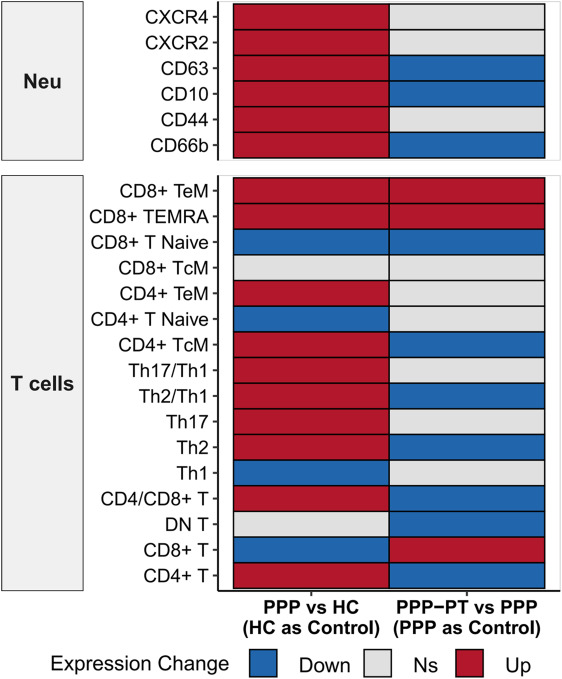
The drug partially reversed pathogenic T helper cell imbalances and neutrophil activation, indicating immune remodeling effects.
Baseline immune parameters showed promise as predictive biomarkers for treatment response, supporting patient stratification strategies.
Study Background and Disease Burden
Palmoplantar pustulosis (PPP) is a chronic inflammatory skin condition characterized by sterile pustules on the palms and soles, often accompanied by pain, pruritus, and disability. It poses a substantial burden on patients’ quality of life due to persistent symptoms and challenges in treatment. Conventional therapies have limited efficacy or safety concerns, underscoring a clear unmet need for novel, targeted interventions. Janus kinase 1 (JAK1) inhibitors have emerged as a promising therapeutic class by selectively modulating cytokine pathways implicated in PPP pathogenesis. However, prospective clinical data integrating immune biomarkers and mechanistic insights remain scarce.
Study Design
This was a prospective, multicenter, single-arm, 12-week clinical trial conducted at three clinical centers. The study enrolled 60 patients diagnosed with moderate to severe PPP who received oral ivarmacitinib 4 mg once daily. Of these, 58 patients (96.7%) completed follow-up assessments. The primary efficacy endpoint was the change from baseline in the Palmoplantar Pustulosis Area and Severity Index (PPPASI) score at week 12.
Exploratory immunologic endpoints included peripheral blood analyses of T lymphocyte subsets, neutrophil phenotype assessments, and plasma proteomic profiling to evaluate immunomodulatory effects and potential response biomarkers. Safety assessments recorded adverse events and treatment discontinuations.
Key Findings
Clinical Efficacy:
The mean PPPASI score declined dramatically from 11.3 at baseline (95% confidence interval [CI] 9.9 to 12.6) to 3.9 (95% CI 3.4 to 4.4) at 12 weeks (P < .001). Clinical responders were defined by threshold improvement in PPPASI: 85.0% achieved at least 50% improvement (PPPASI50) and 13.3% reached 75% improvement (PPPASI75) by study end. Notably, symptoms of pruritus and pain, as well as quality of life indices, showed significant improvement by week 2 (all P < .05), indicating rapid symptomatic relief.
Immunomodulatory Effects:
Immune profiling demonstrated partial normalization of the characteristic Th2/Th17-skewed T helper cell polarization commonly observed in PPP patients. Specifically, ivarmacitinib reduced aberrant activation of neutrophils, a key driver of pustule formation.
Baseline Predictors of Response:
Patients with lower baseline CD4/CD8 T cell ratios, decreased Th2/Th1 cell ratios, and lower plasma levels of IL10RA/IL2RB receptor subunits tended to exhibit earlier clinical responses. Sustained responders showed distinct immune profiles with lower CD4+ effector memory and CD8+ central memory T cell proportions, alongside elevated plasma glial cell line-derived neurotrophic factor (GDNF). These findings suggest baseline immune status may stratify patient responsiveness to JAK1 inhibition.
Safety Profile:
Twenty-two treatment-related adverse events of grade 1 or 2 severity were reported, consistent with known JAK inhibitor safety profiles. Two patients discontinued treatment due to adverse events, but no serious or unexpected safety signals were observed.
Expert Commentary
This study provides important clinical and immunologic evidence supporting ivarmacitinib’s selective JAK1 inhibition as an effective therapeutic approach in PPP, a disease with historically limited treatment options. The rapid clinical improvements aligning with symptom relief by week 2 are clinically meaningful, improving patient adherence and quality of life.
Immune remodeling findings elucidate mechanistic pathways whereby JAK1 blockade modulates pathogenic T cell subsets and neutrophil function. The identification of baseline immune biomarkers predictive of response enables precision medicine, potentially guiding individualized therapy decisions in the future.
However, the single-arm design limits the ability to exclude placebo effects definitively or compare relative efficacy against standard therapies. Larger randomized controlled trials with longer follow-up are warranted to confirm durability, safety, and direct comparisons.
Conclusion
Ivarmacitinib demonstrated rapid, substantial clinical efficacy with favorable tolerability in patients with palmoplantar pustulosis. The drug’s immunomodulatory effects, including partial normalization of skewed T helper cell polarization and neutrophil activation, provide mechanistic insights into PPP pathogenesis mitigation. Baseline immune profiling appears promising as a biomarker to stratify responders, paving the way for personalized treatment strategies. These results advance the therapeutic landscape of PPP and highlight selective JAK1 inhibition as a viable, targeted treatment avenue.
Funding and Clinical Trial Registration
Details regarding study funding sources and clinical trial registration numbers were not reported in the available abstract. Interested readers should consult the original publication for this information.
References
Xu Z, Chen W, Du J, Tian B, Wang J, Ma S, Yang J, Yu C, Cao T, Liu L, Wang G, Shao S. Ivarmacitinib is associated with rapid clinical improvement and immune remodeling in palmoplantar pustulosis: A multicenter, single-arm clinical trial. J Am Acad Dermatol. 2026 Jun 25;95(4):1043-1052. PMID: 42341933. Available at: https://pubmed.ncbi.nlm.nih.gov/42341933/
Additional context on JAK inhibitors in PPP and immune pathogenesis:
– Takahashi H, Yan D, Bartle B, et al. The role of JAK/STAT pathway in inflammatory skin diseases and its targeting by JAK inhibitors. J Dermatol Sci. 2022;105(2):81-90.
– Chao LX, Luo XY, Gao YH, et al. Immune cell dysregulation in palmoplantar pustulosis highlights the role of Th17 cells and neutrophils. Front Immunol. 2023;14:1123348.