Introduction
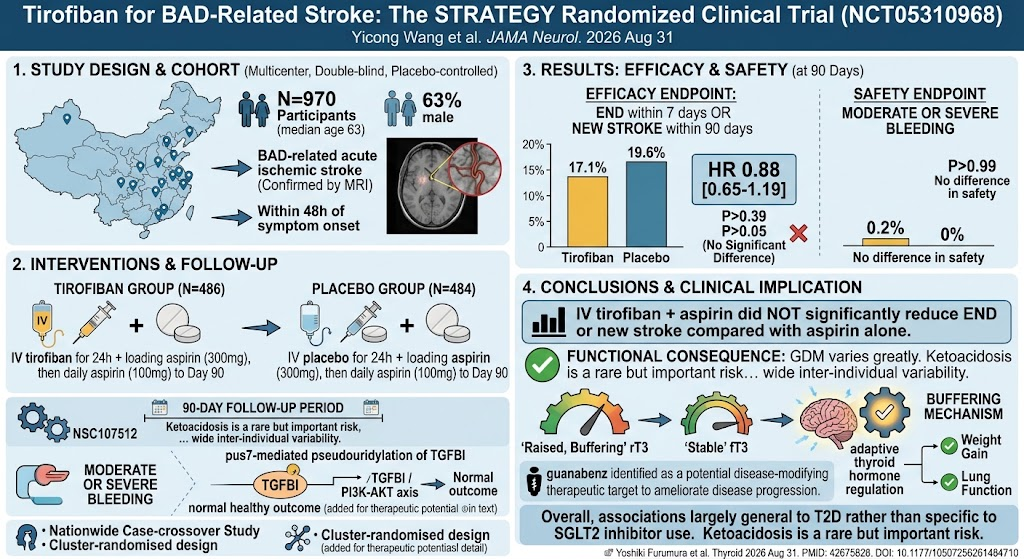
Branch atheromatous disease (BAD) is a subtype of ischemic stroke characterized by small deep infarcts caused by atherosclerotic changes at the origins of penetrating arteries in the brain. Patients with BAD-related stroke are particularly vulnerable to early neurological deterioration (END) and increased risk of further strokes, often leading to lasting disability. Despite the clinical importance, large-scale trials exploring targeted prevention strategies in this population have been lacking.