Highlight
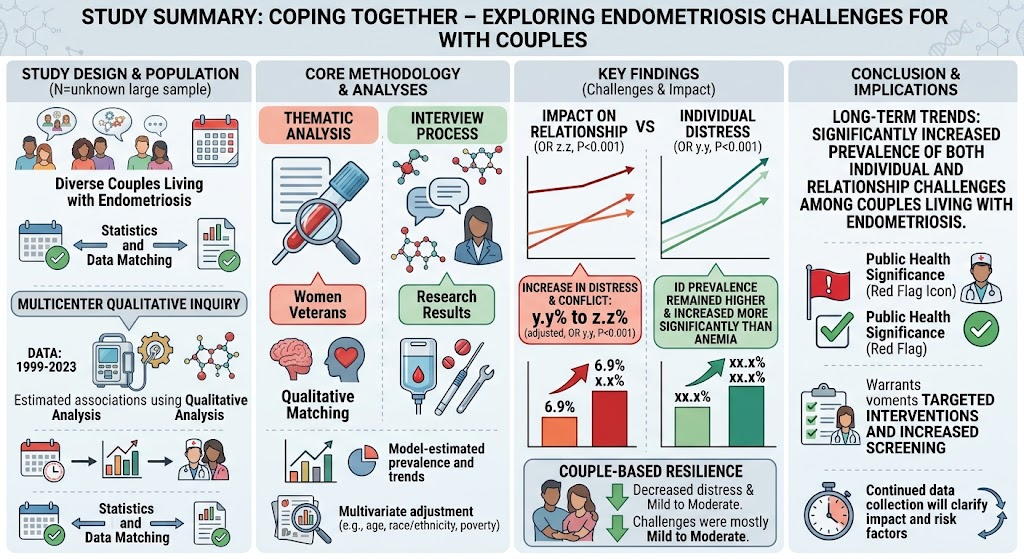
This qualitative study involving 49 couples with endometriosis highlights the shared illness burden’s impact not only on the diagnosed individual but also on their partners. Key themes include compounded physical and psychological challenges, as well as the development of mutual support and resilience strategies together. The findings emphasize the importance of incorporating relational dynamics into clinical care and psychosocial interventions for endometriosis.
Study Background
Endometriosis is a chronic gynecological condition characterized by the presence of endometrial-like tissue outside the uterus, often causing pelvic pain, infertility, and impaired quality of life. The physical symptoms extend beyond pain and include fatigue and gastrointestinal distress, which can heavily impact psychological well-being. Given its recurrent and incurable nature, endometriosis presents significant psychosocial challenges.
While previous research predominantly focuses on the individual with endometriosis, recent evidence indicates that the condition affects partners and relational dynamics. Sexual dysfunction, emotional distress, and caregiving burdens can influence couple functioning and coping processes. However, few studies have concurrently involved both partners to examine their shared and individual experiences.
Study Design
This research is part of a larger mixed-methods study investigating lived experiences of couples coping with endometriosis. The present qualitative component recruited 49 couples, each comprising a person diagnosed with endometriosis and their partner. Semi-structured interviews explored challenges, successes, and coping strategies from both perspectives.
The analysis employed an inductive thematic approach with iterative coding by two independent coders to derive emerging themes. This method facilitates understanding complex relational experiences grounded in participants’ narratives.
Key Findings
Two primary thematic domains emerged: Shared Challenges and Coping Together, each comprising several interconnected themes.
Shared Challenges
- Compounded Illness Burden: Couples reported a multifaceted illness impact, including persistent physical symptoms such as chronic pelvic pain and fatigue that affected daily routines. The burden extended to partners who often took on caregiving roles, sometimes leading to exhaustion and emotional strain.
- Psychological Barriers: Both partners experienced anxiety, depression, and feelings of isolation related to the unpredictable course of endometriosis. Stigma and lack of understanding from social networks contributed to psychological distress within the couple.
- Undermined Agency: Participants described frustration with limited treatment effectiveness and a perceived loss of control over their bodies and relationship dynamics. This reduced sense of agency challenged traditional roles and decision-making within couples.
Coping Together
- Mutual Support: Couples emphasized the importance of open communication, emotional validation, and shared problem-solving to navigate the illness. Partner involvement in health management fostered a sense of teamwork and strengthened bonds.
- Psychological Resilience: Adaptation emerged through learning new coping skills, including lifestyle modifications, acceptance of the chronic nature of the disease, and prioritizing emotional wellbeing. Couples highlighted the benefit of empathy and flexibility in sustaining relationship quality despite challenges.
Expert Commentary
This study provides valuable insights into the dyadic experience of endometriosis, reinforcing that coping mechanisms are inherently relational. Recognizing partners as integral to care pathways aligns with biopsychosocial models and advances patient-centered approaches.
Limitations include the qualitative nature restricting generalizability and potential selection bias towards couples willing to participate. Future research could quantify relational coping impacts and test targeted interventions.
Conclusion
The findings advocate for integrating relational frameworks within clinical practice for endometriosis, supporting both the diagnosed person and their partner. Multidisciplinary care models that include psychosocial services tailored to couples could enhance coping efficacy, relationship satisfaction, and overall quality of life amidst this chronic disease.
References
- Chenny-Ramkissoon M, Stragapede E, Huber JD, Horwood G, Singh S, Corsini-Munt S. Coping Together: A Qualitative Exploration of Challenges Identified by Couples Living with Endometriosis. Am J Obstet Gynecol. 2026 Jul 30; PMID: 42532418.
- Ballweg ML. Impact of endometriosis on women’s health: comparative historical data show that low quality of life is common. Hum Reprod. 2019;34(9):1752-1761.
- Facchin F, Somigliana E, Dridi D, et al. Psycho-social impact of endometriosis: a narrative review. J Psychosom Obstet Gynaecol. 2019;40(2):59-69.
- Mogilevski T, Nnoaham K, Cutner A, et al. The impact of endometriosis on partnered relationships: a systematic review. J Obstet Gynaecol. 2022;42(7):1079-1087.