Histidine-Rich Glycoprotein as a Modulator of Platelet Adhesion and Aggregation: Mechanistic Insights and Clinical Implications

Histidine-Rich Glycoprotein as a Modulator of Platelet Adhesion and Aggregation: Mechanistic Insights and Clinical Implications

Histidine-rich glycoprotein (HRG) directly modulates platelet adhesion and aggregation by binding platelet receptors GPIbα and GPIIb/IIIa, competing with key ligands VWF and fibrinogen, thus attenuating thrombus formation; reduced HRG in sepsis and COVID-19 correlates with heightened platelet reactivity.
Low-Dose Rivaroxaban to Prevent Left Ventricular Thrombosis After Anterior Myocardial Infarction: The APERITIF Randomized Clinical Trial

Low-Dose Rivaroxaban to Prevent Left Ventricular Thrombosis After Anterior Myocardial Infarction: The APERITIF Randomized Clinical Trial

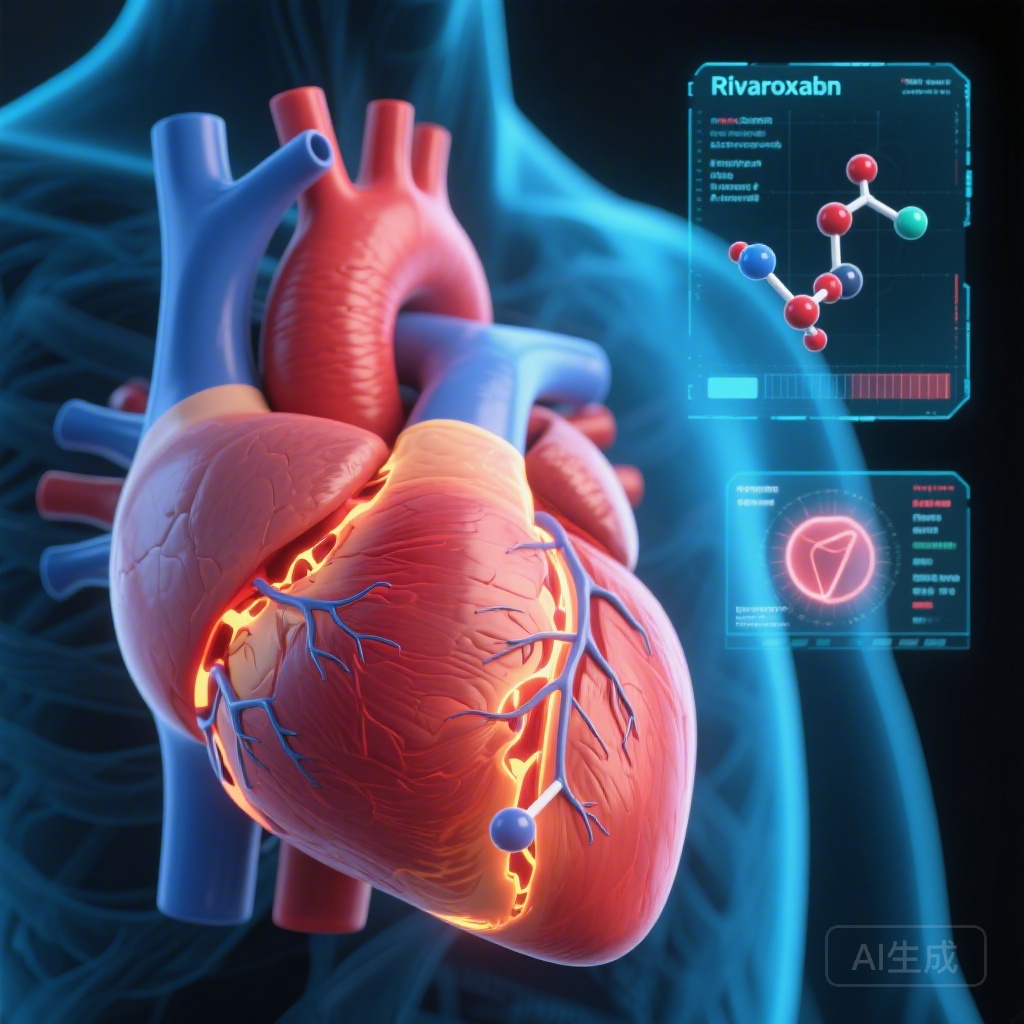
The APERITIF trial explored adding low-dose rivaroxaban to standard dual antiplatelet therapy to prevent heart clots after an anterior heart attack. While the addition did not significantly reduce thrombus formation, it did increase minor bleeding risk, suggesting a need for cautious clinical application.
Lower-Intensity Anticoagulation During Venovenous ECMO: A Pilot RCT Shows Feasibility and a Signal Toward Less Bleeding

Lower-Intensity Anticoagulation During Venovenous ECMO: A Pilot RCT Shows Feasibility and a Signal Toward Less Bleeding

A 3-center randomized pilot trial found that randomized allocation to low- versus moderate-intensity anticoagulation during venovenous ECMO is feasible, with lower major bleeding rates in the low-intensity arm and no clear excess of thromboembolic events—but the study was underpowered for definitive safety or efficacy conclusions.