Exploring the Impact of Patient-Physician Sex Concordance on Diagnostic Accuracy in Primary Care: Insights from a National Randomized Survey

Exploring the Impact of Patient-Physician Sex Concordance on Diagnostic Accuracy in Primary Care: Insights from a National Randomized Survey

This study found that patient-physician sex concordance does not influence diagnostic accuracy in primary care, but female physicians consistently outperform male counterparts in diagnosing complex conditions such as POTS and syphilis, highlighting the importance of physician-level factors in diagnostic equity.
Beyond Information Delivery: Why Survivorship Care Plans Alone May Not Reduce Cardiovascular Risk in Cancer Survivors

Beyond Information Delivery: Why Survivorship Care Plans Alone May Not Reduce Cardiovascular Risk in Cancer Survivors

This article examines the CHIIP study, a randomized clinical trial evaluating whether survivorship care plan-based counseling improves cardiovascular risk factor control in childhood cancer survivors. Findings suggest that while documentation improved, counseling did not significantly outperform simple risk assessments.
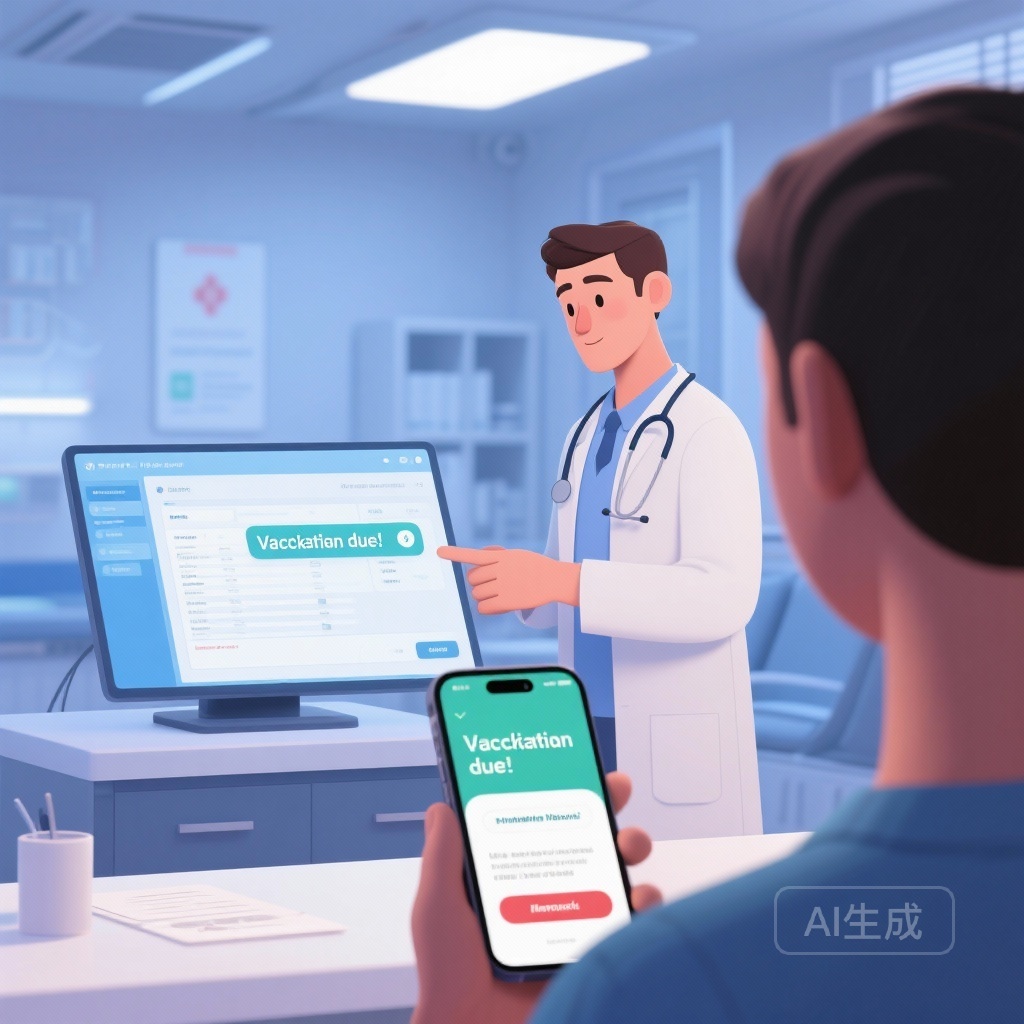
Multicomponent Nudges Significantly Boost Influenza Vaccination Rates in Primary Care: Insights from the BE IMMUNE Trial

Multicomponent Nudges Significantly Boost Influenza Vaccination Rates in Primary Care: Insights from the BE IMMUNE Trial

The BE IMMUNE randomized trial demonstrates that combining patient text reminders, clinician EHR pended orders, and peer comparisons increases flu vaccination by 5.1 percentage points among adults aged 50 and older, highlighting the efficacy of multilevel behavioral interventions in clinical settings.
The Limits of Collaborative Care: Why the CLARO Trial Found No Added Benefit for OUD and Comorbid Mental Illness

The Limits of Collaborative Care: Why the CLARO Trial Found No Added Benefit for OUD and Comorbid Mental Illness

The CLARO randomized clinical trial investigated whether a collaborative care model could improve outcomes for patients with opioid use disorder and co-occurring depression or PTSD. The study found no statistically significant advantages over enhanced usual care, suggesting challenges in implementing these models for complex, low-resource populations.