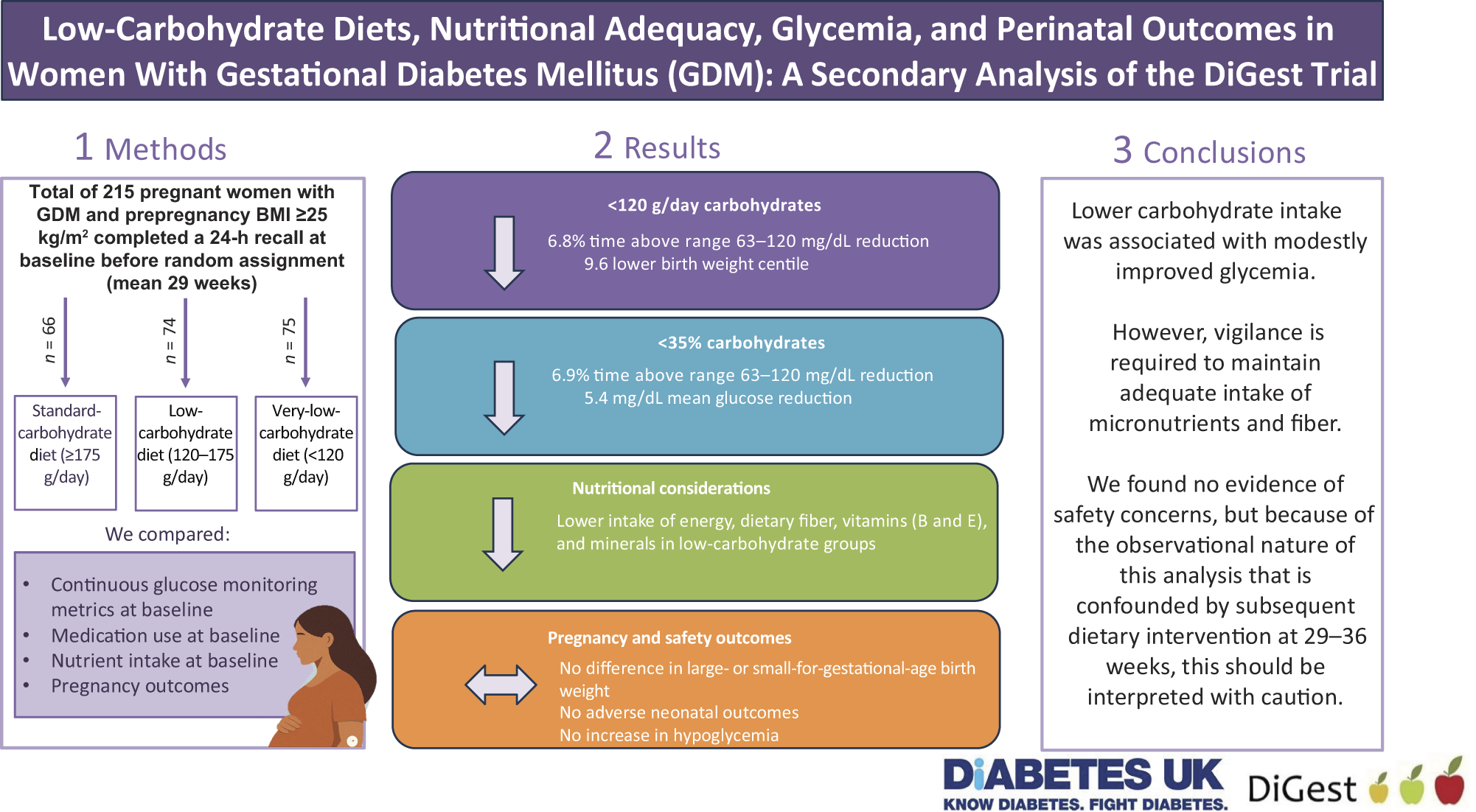
妊娠期糖尿病中的低碳水化合物饮食:营养充足性、血糖控制及围产期结局——基于DiGest试验

Low-Carbohydrate Diets, Nutritional Adequacy, Glycemia, and Perinatal Outcomes in Women With Gestational Diabetes Mellitus: Insights from the DiGest Trial and Contemporary Evidence

This review synthesizes current evidence on low-carbohydrate diets in gestational diabetes mellitus (GDM), highlighting effects on glycemia, nutrient adequacy, and perinatal outcomes from the DiGest trial and supporting literature.
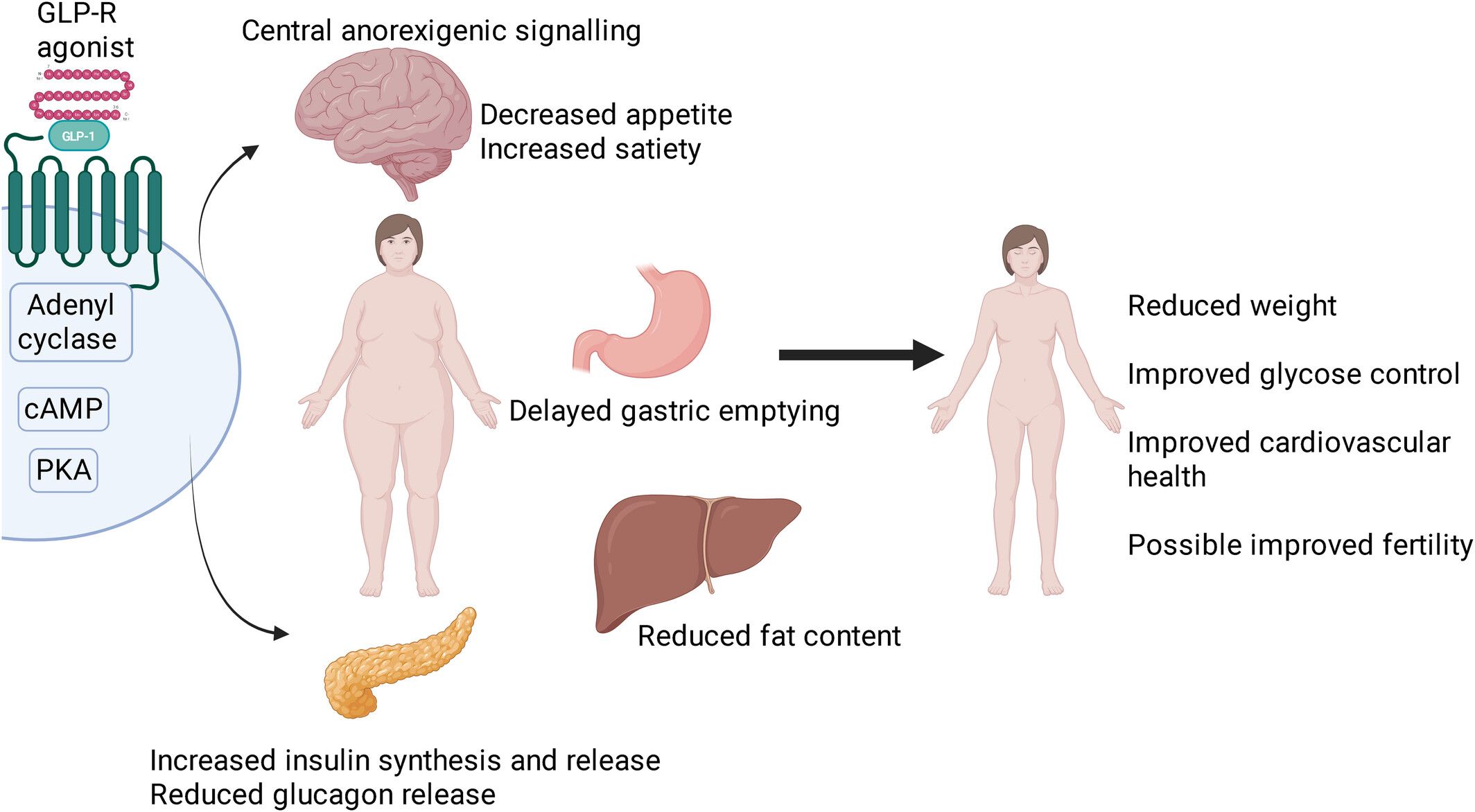
Glucagon-Like Peptide-1 Receptor Agonists in Pregnancy: Evaluating Periconception Exposure and Perinatal Outcomes

Glucagon-Like Peptide-1 Receptor Agonists in Pregnancy: Evaluating Periconception Exposure and Perinatal Outcomes

GLP-1 receptor agonists are increasingly used in women of reproductive age, but their safety during periconception and pregnancy remains unclear. Current observational data show no definitive harm, yet robust evidence is lacking, emphasizing individualized counseling and further research.
Less Than 5 kg of Gestational Weight Gain in Type 2 Diabetes Was Linked to Lower Risk of LGA, Hypertensive Disorders, NICU Admission, and Cesarean Delivery

Less Than 5 kg of Gestational Weight Gain in Type 2 Diabetes Was Linked to Lower Risk of LGA, Hypertensive Disorders, NICU Admission, and Cesarean Delivery

In a retrospective cohort of pregnancies complicated by type 2 diabetes, gestational weight gain under 5 kg was associated with lower odds of several adverse perinatal outcomes without a statistically significant rise in preterm birth or small-for-gestational-age infants.
Flash Glucose Monitoring Fails to Improve Glycemic Control but Reduces Large-for-Gestational-Age Risk in Gestational Diabetes

Flash Glucose Monitoring Fails to Improve Glycemic Control but Reduces Large-for-Gestational-Age Risk in Gestational Diabetes

A randomized trial of 205 pregnant women with gestational diabetes found that adjunctive flash glucose monitoring did not improve time-in-range glucose measurements compared to standard self-monitoring. However, the device was associated with significantly fewer large-for-gestational-age neonates, warranting further investigation in larger studies.