Liver, Portal, and Systemic Thyroid Hormone Alterations in End-Stage MASH: Distinct Diagnostic and Prognostic Roles for T3/rT3 Ratio and T4

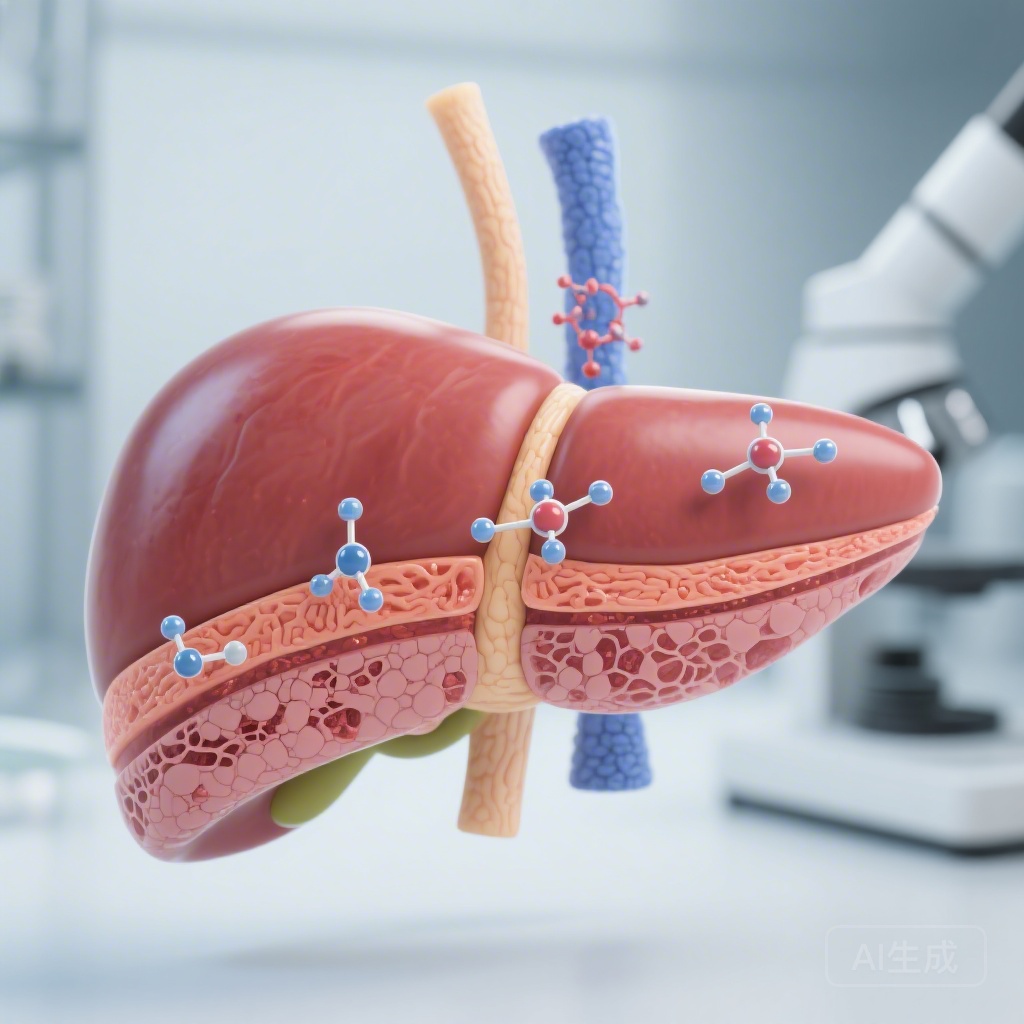
Liver, Portal, and Systemic Thyroid Hormone Alterations in End-Stage MASH: Distinct Diagnostic and Prognostic Roles for T3/rT3 Ratio and T4

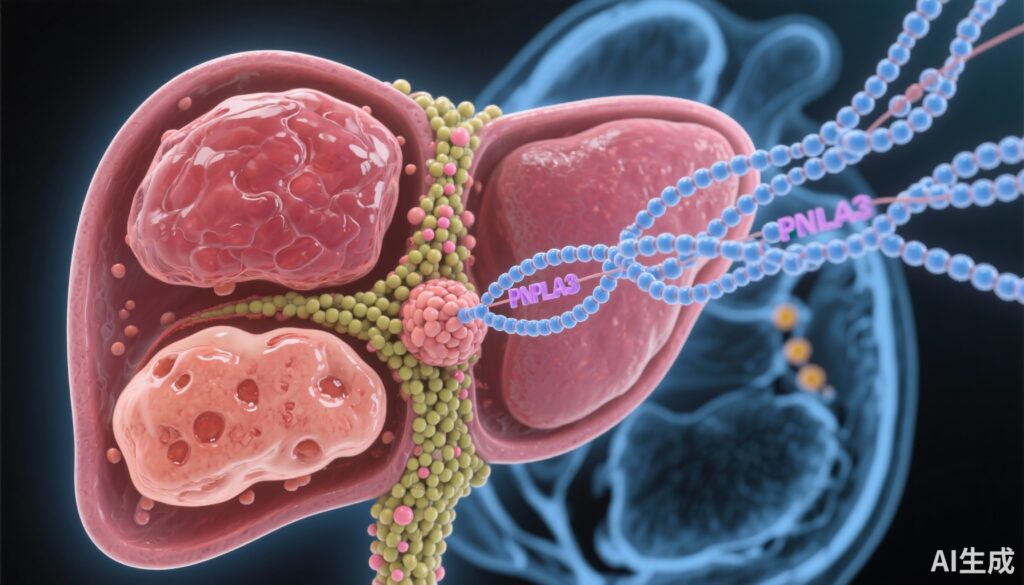
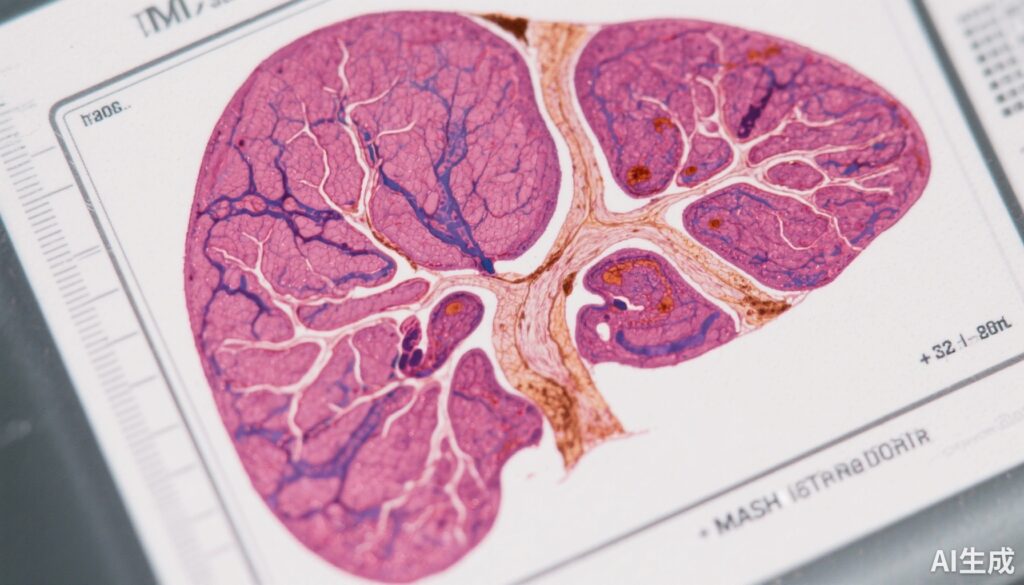
End-stage metabolic dysfunction-associated steatohepatitis (MASH) features profound disruptions in thyroid hormone metabolism across liver, portal, and systemic compartments, with the hepatic T3 level and systemic T3/rT3 ratio serving as sensitive diagnostic biomarkers and systemic T4 correlating with disease severity.

Development and Validation of a Noninvasive Score for At-Risk Metabolic Dysfunction-Associated Steatohepatitis in Individuals with Obesity Undergoing Bariatric Surgery

Development and Validation of a Noninvasive Score for At-Risk Metabolic Dysfunction-Associated Steatohepatitis in Individuals with Obesity Undergoing Bariatric Surgery

Researchers developed and validated the FMO score, a noninvasive, cost-effective tool to identify at-risk metabolic dysfunction-associated steatohepatitis (MASH) in obese patients, showing strong predictive performance across multiple international cohorts.
Pemvidutide Demonstrates Robust MASH Resolution in IMPACT Phase 2b Trial: Clinical Implications of Dual GLP-1/Glucagon Agonism

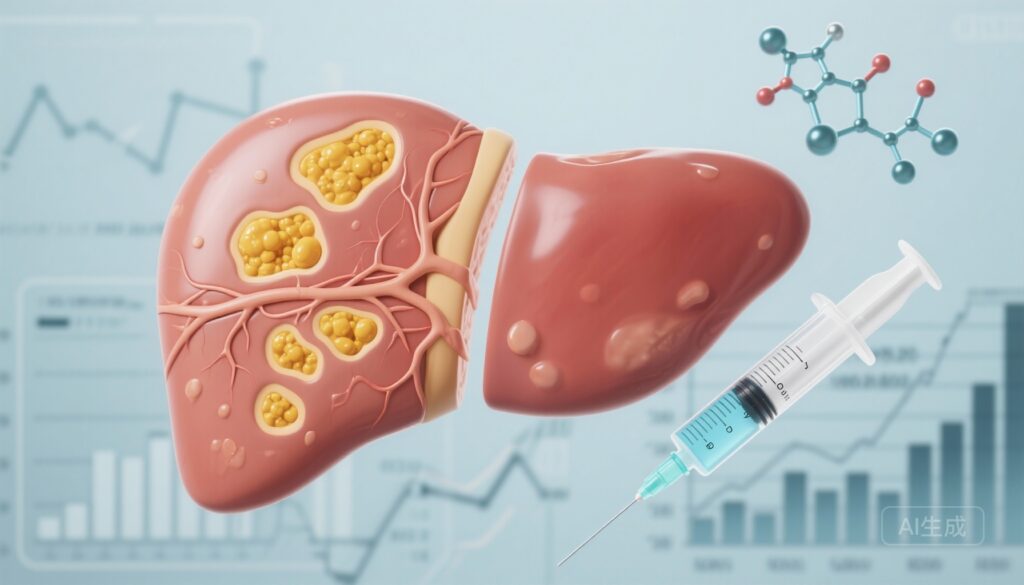
Pemvidutide Demonstrates Robust MASH Resolution in IMPACT Phase 2b Trial: Clinical Implications of Dual GLP-1/Glucagon Agonism

The 24-week results of the IMPACT trial show that pemvidutide significantly improves MASH resolution without worsening fibrosis. While fibrosis improvement did not reach significance at this early time point, the drug's safety profile and metabolic efficacy mark a significant step forward in hepatology.
Pemvidutide Produces Rapid Reductions in Liver Fat and AI‑Quantified Fibrosis in Early Phase Trials — Promise and Unanswered Questions

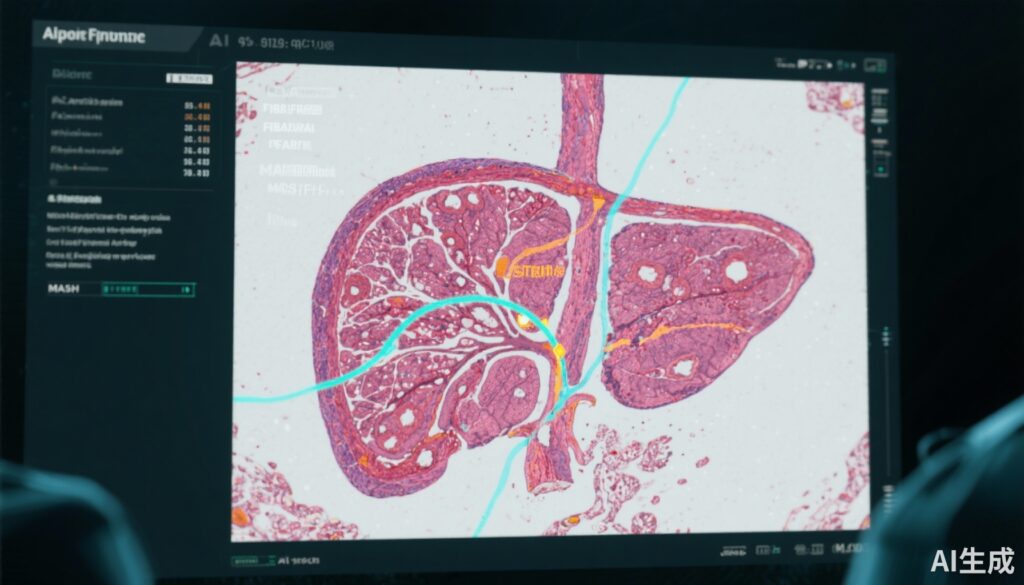
Pemvidutide Produces Rapid Reductions in Liver Fat and AI‑Quantified Fibrosis in Early Phase Trials — Promise and Unanswered Questions

Pemvidutide, a dual GLP‑1/glucagon receptor agonist, reduced liver fat markedly and produced small but statistically significant reductions in AI‑quantified fibrosis over 24 weeks in phase 2 studies, but longer trials with clinical endpoints are needed to establish meaningful benefit.