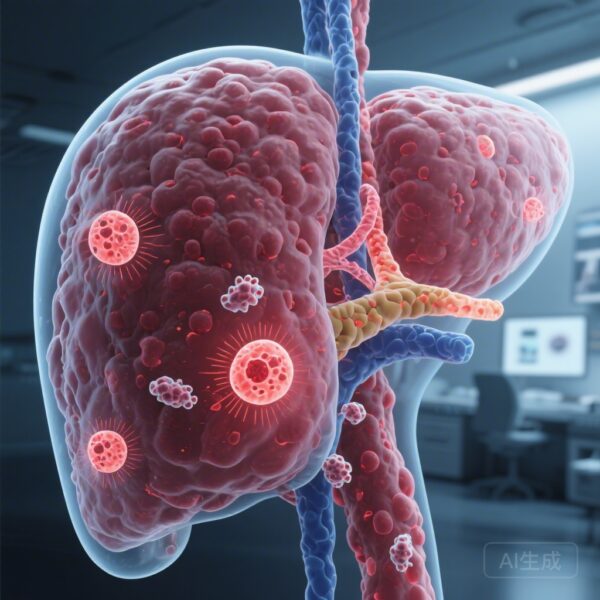
Liver fibrosis remains the strongest predictor of long-term major adverse liver outcomes (MALO), and noninvasive tests like FIB-4 and VCTE show prognostic accuracy comparable to histology.
Multiparametric MRI (mpMRI), particularly iron-corrected T1 (cT1), provides superior identification of ‘at-risk’ MASH compared to traditional serum scores.
Longitudinal changes in FAST, MRI-PDFF, and specific serum panels (e.g., ELF, PRO-C3) are successfully tracking therapeutic response in clinical trials for GLP-1R agonists and pan-PPAR agonists.
Machine learning models and ‘in-silico’ scores are emerging as high-accuracy tools for early detection and risk stratification in large populations.