HPV-Associated Anal Dysplasia in Solid Organ Transplant Recipients: Unraveling Transplant-Specific Mucosal Immune Dysfunction

HPV-Associated Anal Dysplasia in Solid Organ Transplant Recipients: Unraveling Transplant-Specific Mucosal Immune Dysfunction

Solid organ transplant recipients have increased risk of HPV-driven anal dysplasia and cancer due to unique immune alterations from immunosuppression. This article explores the transplant-specific immune dysfunction underlying persistent HPV infection and dysplastic progression, highlighting implications for screening and management.

HPV-Associated Anal Dysplasia in Solid Organ Transplant Recipients: Exploring Transplant-Specific Mucosal Immune Dysregulation

HPV-Associated Anal Dysplasia in Solid Organ Transplant Recipients: Exploring Transplant-Specific Mucosal Immune Dysregulation

Solid organ transplant recipients exhibit heightened risk for HPV-associated anal dysplasia and cancer due to unique immunosuppressive alterations. A transplant-tailored model of mucosal immune dysfunction elucidates mechanisms driving persistent HPV infection and dysplasia progression, informing future screening and therapeutic strategies.
Evaluating Self-Collected Urine and Vaginal Samples for HPV Genotyping in Cervical Cancer Screening Among Japanese Women

Evaluating Self-Collected Urine and Vaginal Samples for HPV Genotyping in Cervical Cancer Screening Among Japanese Women

This study assesses the feasibility and performance of using self-collected urine and vaginal samples with the BD Onclarity® HPV assay for cervical cancer screening in Japanese women with abnormal cytology, highlighting concordance and sensitivity metrics compared to clinician-collected cervical samples.
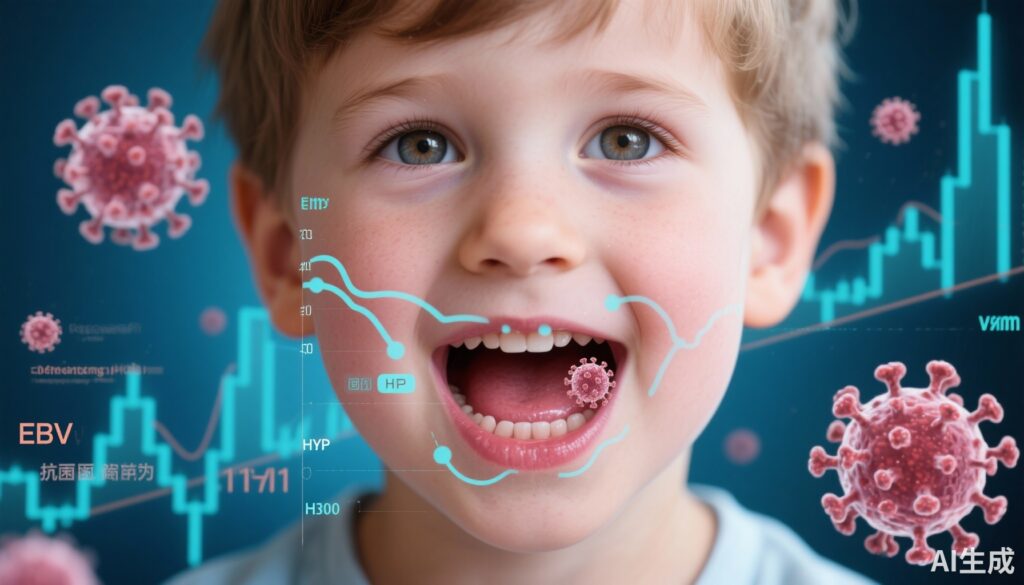
Impact of Epstein-Barr Virus Serology on Oral HPV Infection Dynamics in Early Childhood: Insights from the Finnish Family HPV Cohort

Impact of Epstein-Barr Virus Serology on Oral HPV Infection Dynamics in Early Childhood: Insights from the Finnish Family HPV Cohort

This study explores how early Epstein-Barr virus (EBV) infection and immune responses influence oral human papillomavirus (HPV) infections in children, revealing the interplay between EBV serology, paternal education, and oral HPV acquisition and clearance during the first three years of life.