Lowering Blood Pressure in Isolated Diastolic Hypertension: Evidence Supports Risk Reduction Across All Diastolic Levels

Lowering Blood Pressure in Isolated Diastolic Hypertension: Evidence Supports Risk Reduction Across All Diastolic Levels

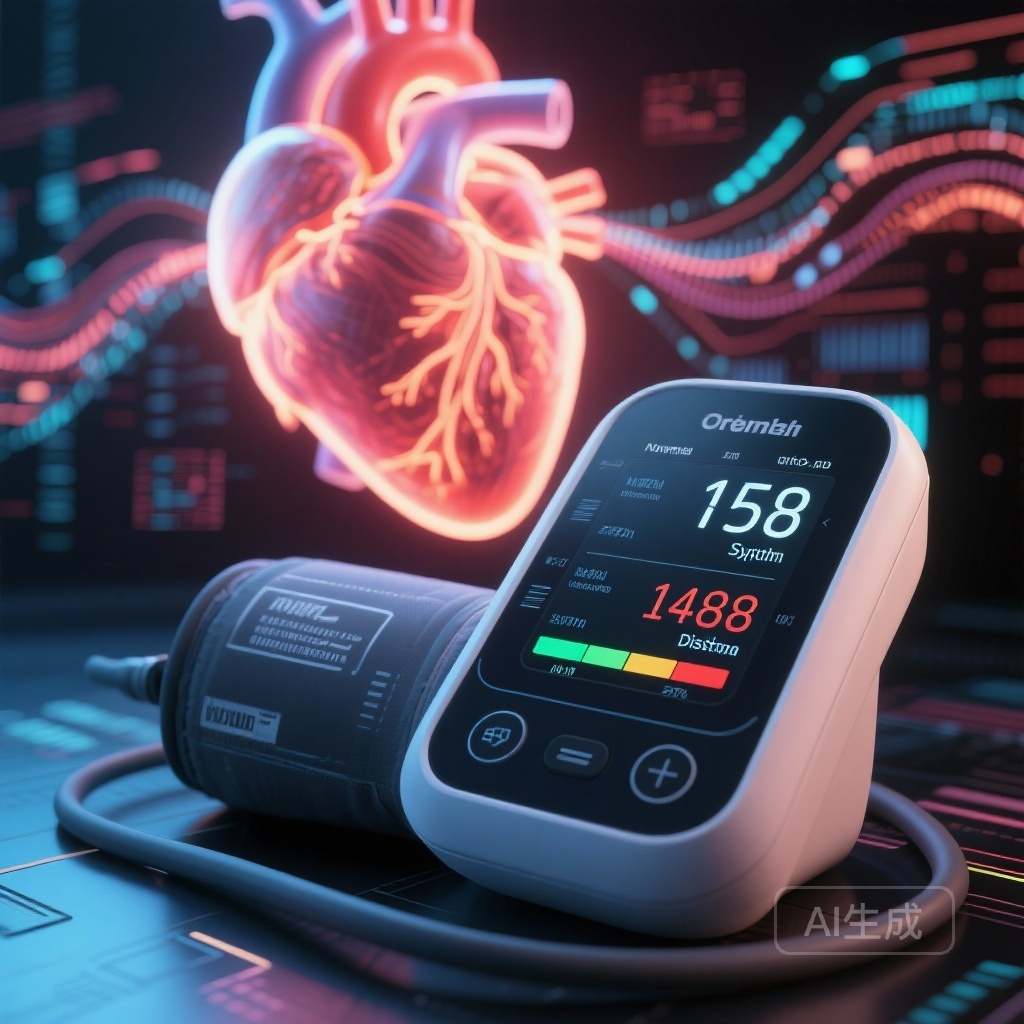
A large-scale meta-analysis reveals that lowering blood pressure in patients with isolated diastolic hypertension (IDH) provides cardiovascular protection comparable to those with systolic elevations, suggesting that diastolic thresholds alone should not preclude treatment in high-risk individuals.
Beyond Standard Risk Factors: High-Sensitivity C-Reactive Protein as a Critical Driver of Cardiovascular Risk Prediction

Beyond Standard Risk Factors: High-Sensitivity C-Reactive Protein as a Critical Driver of Cardiovascular Risk Prediction

Recent large-scale studies demonstrate that high-sensitivity C-reactive protein (hsCRP) is a potent, stable predictor of cardiovascular events, even in individuals without traditional risk factors. Despite its clinical utility in improving risk reclassification, barriers to widespread adoption in clinical practice remain.
Beyond the Golden Years: Young COPD and Early Lung Function Decline as Critical Drivers of Premature Mortality and Cardiovascular Risk

Beyond the Golden Years: Young COPD and Early Lung Function Decline as Critical Drivers of Premature Mortality and Cardiovascular Risk

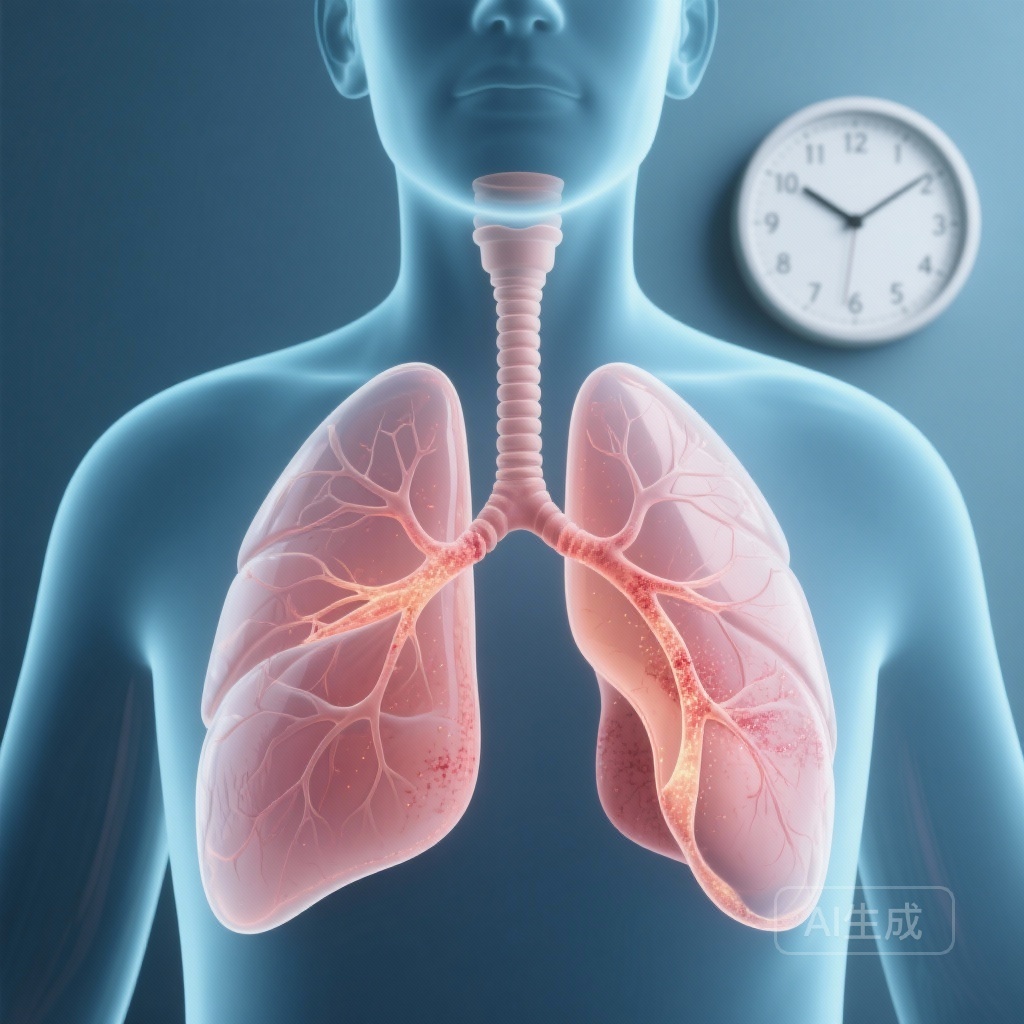
Recent evidence reveals that COPD in adults under 50 is more prevalent than previously thought, significantly increasing the risk of premature death and heart failure. Furthermore, impaired lung function trajectories starting in childhood predict respiratory symptoms long before a clinical diagnosis of COPD is made.
Gender‑Affirming Hormone Therapy and Acute Cardiovascular Events: Dutch Cohort Finds Lower MI but Higher VTE in Transgender Women, Elevated MI and Stroke Risk in Transgender Men

Gender‑Affirming Hormone Therapy and Acute Cardiovascular Events: Dutch Cohort Finds Lower MI but Higher VTE in Transgender Women, Elevated MI and Stroke Risk in Transgender Men

A large Dutch cohort study found that after adjusting for socioeconomic status and lifestyle, transgender women on oestradiol had lower myocardial infarction (MI) risk but higher venous thromboembolism (VTE) risk; transgender men on testosterone had higher MI and ischaemic stroke risk.