AI-Enhanced ECG Screening Pinpoints Atrial Fibrillation Risk in Older Adults: Key Insights from VITAL-AF Trial

AI-Enhanced ECG Screening Pinpoints Atrial Fibrillation Risk in Older Adults: Key Insights from VITAL-AF Trial

A VITAL-AF trial analysis reveals that combining ECG-based artificial intelligence with clinical risk scores significantly improves atrial fibrillation screening efficiency. The study demonstrates that high-risk individuals benefit most from screening, with those in the top CH-AI risk decile showing a number-needed-to-screen of just 43 per year.

Why Exercise Blood Pressure Alone May Miss Cardiovascular Risk—and What Combining It With Fitness Reveals

Why Exercise Blood Pressure Alone May Miss Cardiovascular Risk—and What Combining It With Fitness Reveals

The EXERTION study of 12,743 individuals demonstrates that exercise systolic blood pressure relative to aerobic fitness (SBP/METPeak) is a powerful predictor of cardiovascular events, whereas exercise BP alone provides no prognostic value. This finding challenges current screening practices and suggests a more nuanced approach to identifying hypertension-related cardiovascular risk.
Efficacy of Blood Pressure-Lowering Pharmacotherapy in Isolated Diastolic Hypertension: A Systematic Synthesis of Evidence

Efficacy of Blood Pressure-Lowering Pharmacotherapy in Isolated Diastolic Hypertension: A Systematic Synthesis of Evidence

This review synthesizes recent evidence, including a landmark 2026 meta-analysis, showing that blood pressure-lowering therapy provides similar cardiovascular benefits in patients with isolated diastolic hypertension compared to those with other hypertension phenotypes, even at low baseline diastolic levels.
Intensive Blood Pressure Targets Below 130/80 mmHg Benefit Patients Across the Cardiovascular-Kidney-Metabolic Syndrome Spectrum

Intensive Blood Pressure Targets Below 130/80 mmHg Benefit Patients Across the Cardiovascular-Kidney-Metabolic Syndrome Spectrum

A post hoc analysis of the CRHCP trial demonstrates that intensive blood pressure control (<130/80 mmHg) significantly reduces major adverse **Confirming JSON Structure** I'm now fully focused on creating the JSON object. I've re-reviewed both schemas, and am following the most up-to-date and complete instructions. I'm double-checking the required fields, especially `thumbnail`, `lang`, and `multilang`, to ensure the final output is perfectly structured and valid. cardiovascular events across CKM syndrome stages 2 through 4, providing a favorable net clinical benefit despite an increased risk of hypotension.
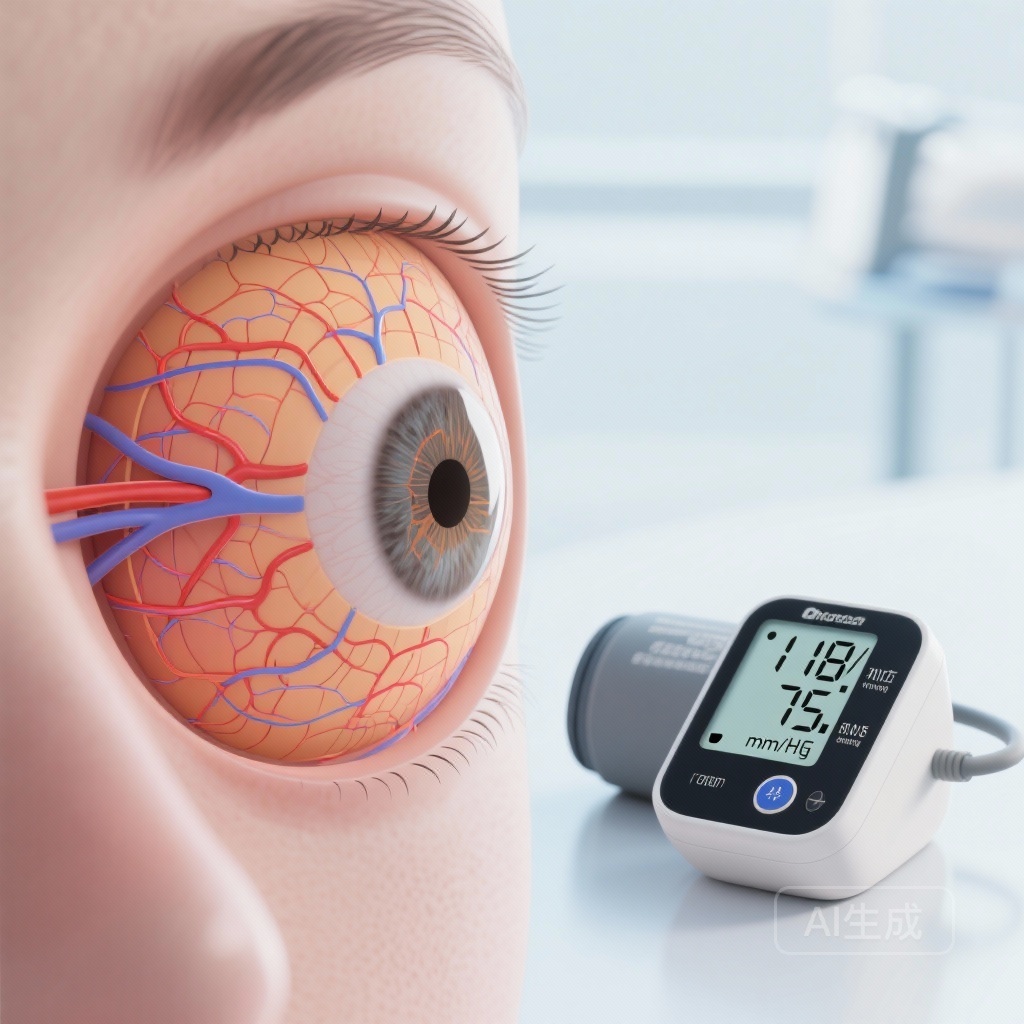
Intensive Blood Pressure Control to <120 mmHg: Holistic Benefits Across Frailty, Quality of Life, and Microvascular Health in the ESPRIT Trial

Intensive Blood Pressure Control to <120 mmHg: Holistic Benefits Across Frailty, Quality of Life, and Microvascular Health in the ESPRIT Trial

The ESPRIT trial reveals that targeting systolic blood pressure below 120 mmHg significantly reduces cardiovascular events across diverse populations, including frail patients and those with diabetes, while uniquely improving retinal microvascular health and maintaining patient quality of life.
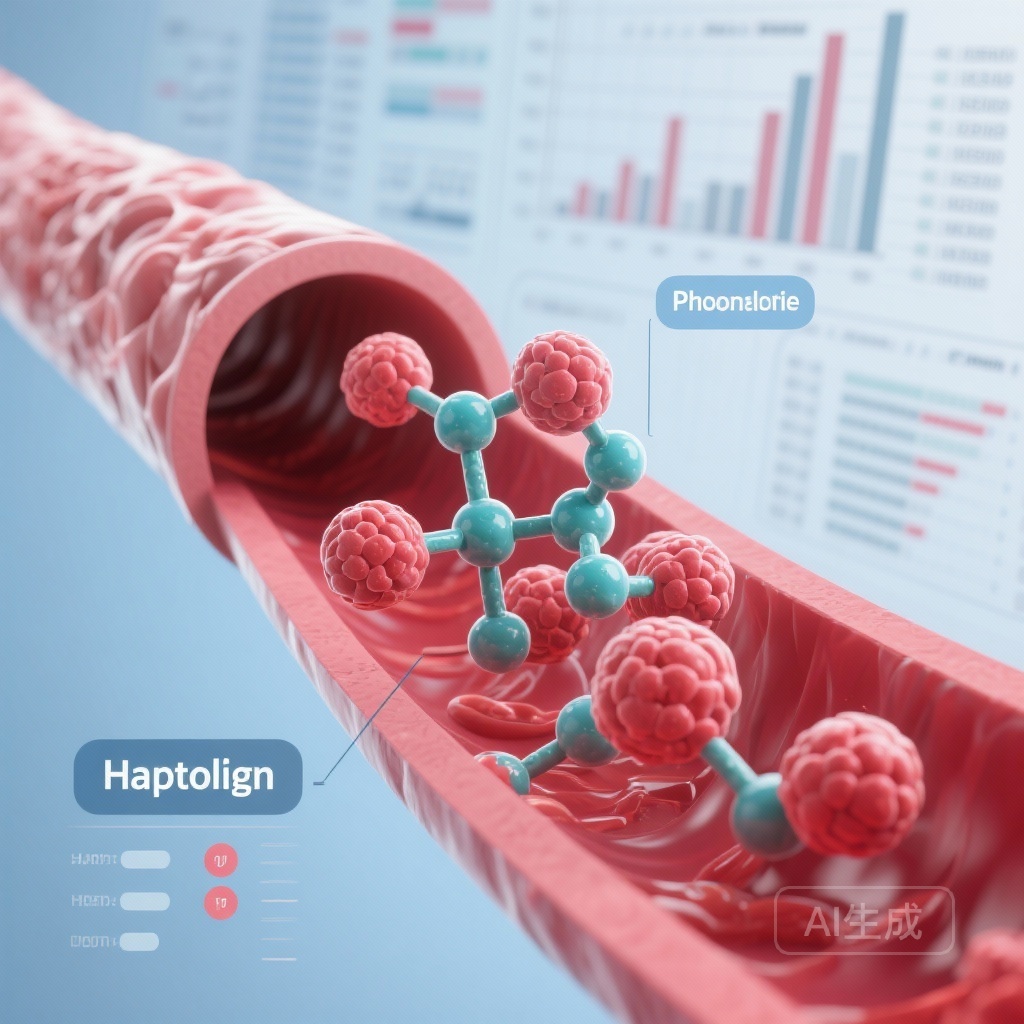
Precision Hypertension Management: Haptoglobin Phenotype Predicts Cardiovascular Benefit from Intensive Blood Pressure Control in Type 2 Diabetes

Precision Hypertension Management: Haptoglobin Phenotype Predicts Cardiovascular Benefit from Intensive Blood Pressure Control in Type 2 Diabetes

A post-hoc analysis of the ACCORD trial reveals that intensive blood pressure control significantly reduces cardiovascular and stroke risk in haptoglobin 1 allele carriers, but not in those with the Hp2-2 phenotype, suggesting a genotype-driven approach to hypertension management in diabetes.