Skip to content
medxy logo Medxy AI
  • Specialties
    • Allergy & Immunology
    • Anesthesiology
    • Cardiology
    • Critical Care
    • Dermatology
    • Diabetes & Endocrinology
    • Emergency Medicine
    • Family Medicine & Nutrition
    • Gastroenterology
    • General Surgery
    • Hematology-Oncology
    • HIV/AIDS
    • Infectious Diseases
    • Internal Medicine
    • Nephrology
    • Neurology
    • Nursing & care
    • OB/GYN & Women’s Health
    • Oncology
    • Ophthalmology
    • Orthopedics
    • Otorhinolaryngology
    • Pathology & Lab Medicine
    • Pediatrics
    • Plastic Surgery
    • Psychiatry
    • Public Health
    • Radiology
    • Respiratory
    • Rheumatology
    • Urology
  • Clinical Updates
  • Medical News
  • iDoctor
  • Specialties
    • Allergy & Immunology
    • Anesthesiology
    • Cardiology
    • Critical Care
    • Dermatology
    • Diabetes & Endocrinology
    • Emergency Medicine
    • Family Medicine & Nutrition
    • Gastroenterology
    • General Surgery
    • Hematology-Oncology
    • HIV/AIDS
    • Infectious Diseases
    • Internal Medicine
    • Nephrology
    • Neurology
    • Nursing & care
    • OB/GYN & Women’s Health
    • Oncology
    • Ophthalmology
    • Orthopedics
    • Otorhinolaryngology
    • Pathology & Lab Medicine
    • Pediatrics
    • Plastic Surgery
    • Psychiatry
    • Public Health
    • Radiology
    • Respiratory
    • Rheumatology
    • Urology
  • Clinical Updates
  • Medical News
  • iDoctor
  • facebook.com
  • twitter.com
  • t.me
  • instagram.com
  • youtube.com
Subscribe

Body Mass Index

  • Home
  • Body Mass Index
Weight Trajectories Among Youths Following Residential Relocation
Posted innews Pediatrics Public Health

Weight Trajectories Among Youths Following Residential Relocation

Posted by MedXY By MedXY 11/19/2025
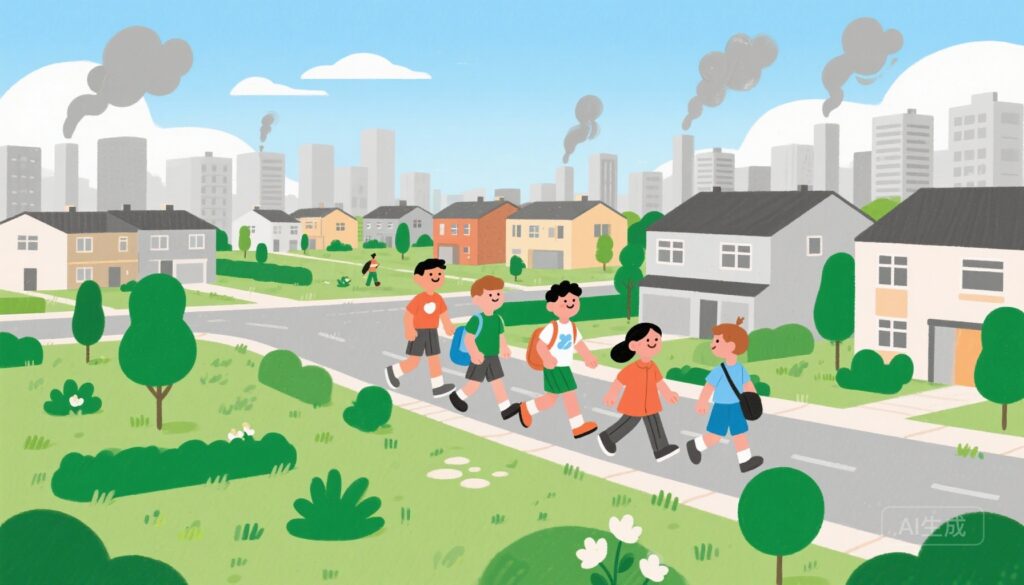
This study explores how changes in residential environments affect childhood BMI, focusing on air pollution, built environment, and socioeconomic factors across cohorts in the Netherlands, Sweden, and Czech Republic.
Read More
Impact of BMI and Physical Activity on Subsequent Neoplasm Risk in Childhood Cancer Survivors: Insights from the CCSS Cohort
Posted inOncology Pediatrics Specialties

Impact of BMI and Physical Activity on Subsequent Neoplasm Risk in Childhood Cancer Survivors: Insights from the CCSS Cohort

Posted by MedXY By MedXY 08/23/2025
Obesity increases, while higher physical activity decreases, risk of subsequent neoplasms among childhood cancer survivors, highlighting lifestyle intervention potential for cancer prevention.
Read More
  • Does the order of ablation of vein-to-vein placental connections during fetoscopic laser photocoagulation affect outcomes in twin-twin transfusion syndrome?
  • Prepregnancy Insulin Resistance and Fertility Outcomes in Women With PCOS
  • Metabolic Dysfunction Did Not Worsen Short-Term Survival in Severe Alcohol-Associated Hepatitis in a Global Prospective Cohort
  • PTEN Loss Drives MHC-I Evasion and Checkpoint Resistance in Microsatellite Stable Colorectal Cancer via NRF2-Dependent Autophagy
  • GLP-1 Receptor Agonist Use Linked to Lower Risk of Brain Aneurysm Rupture and Less Severe Bleeding
  • About us
  • Contact us
  • MedXY story
  • Privacy Policy
  • Subscribe Now!
  • 账号

  • English
  • 日本語
  • Tiếng Việt
  • 中文

Alzheimer's disease artificial intelligence atrial fibrillation biomarkers breast cancer Cardiology cardiovascular disease cardiovascular risk chronic kidney disease clinical trial clinical trials critical care depression diabetes epidemiology health heart failure Hypertension immunotherapy inflammation MASLD mental health metformin Mortality myocardial infarction nutrition obesity older adults oncology Pediatrics precision medicine Pregnancy prevention prostate cancer public health randomized clinical trial randomized trial risk stratification SGLT2 inhibitors stroke targeted therapy type 1 diabetes type 2 diabetes weight loss women's health

Your health, we care

Copyright 2026 — Medxy AI. All rights reserved.
Scroll to Top
Sign in