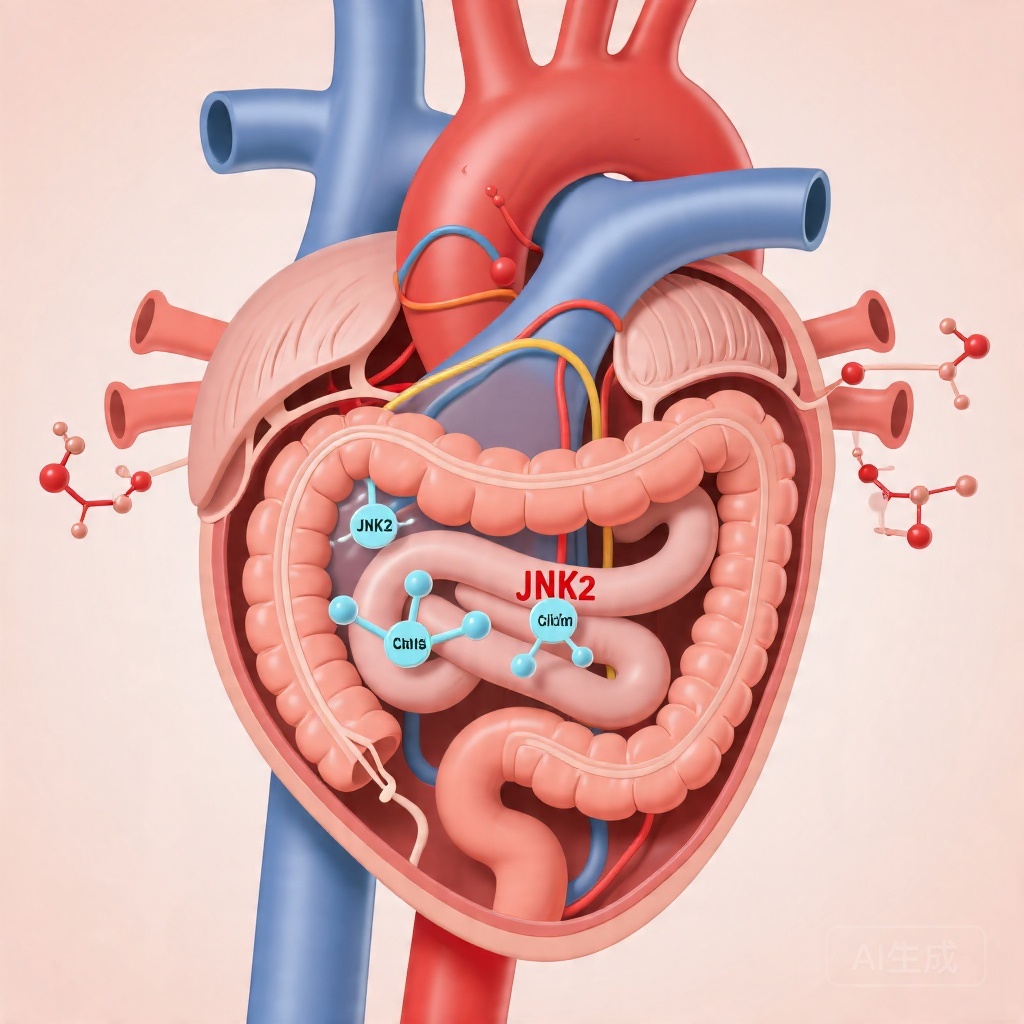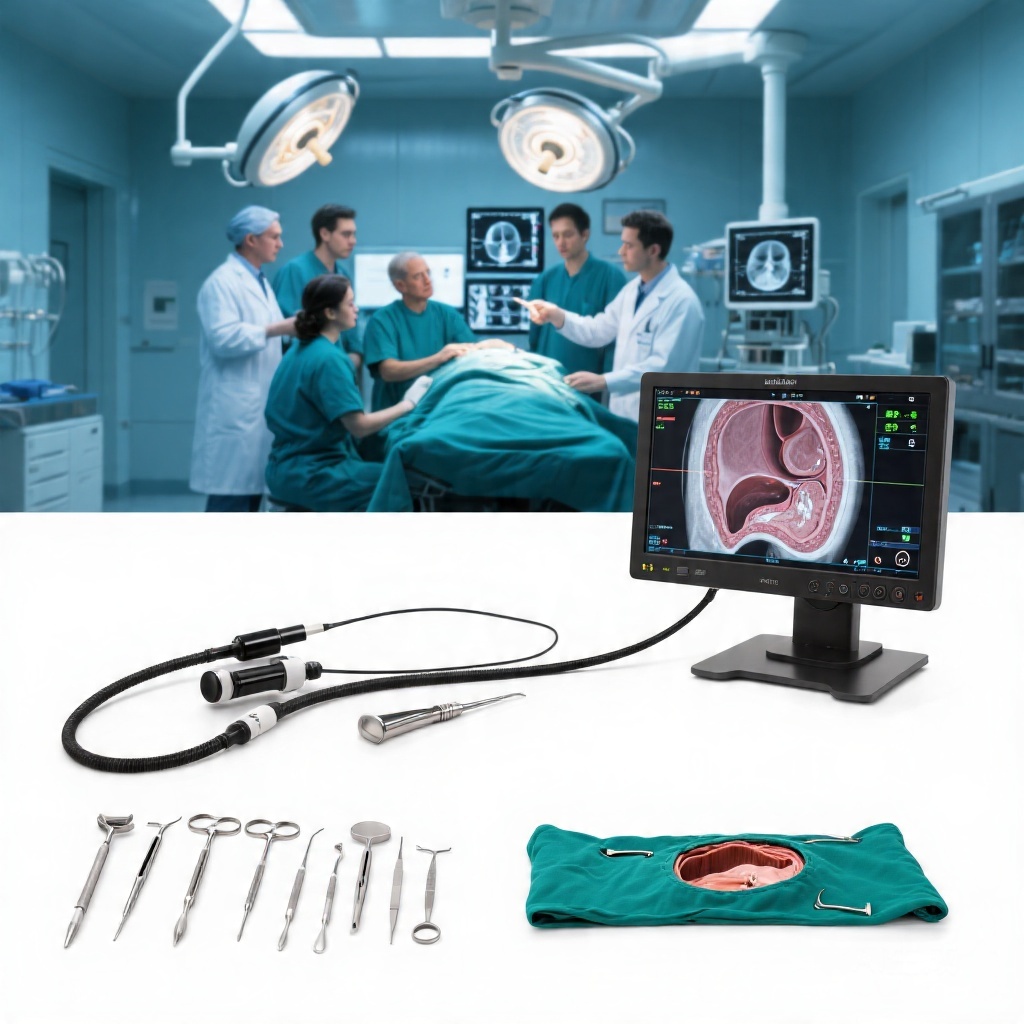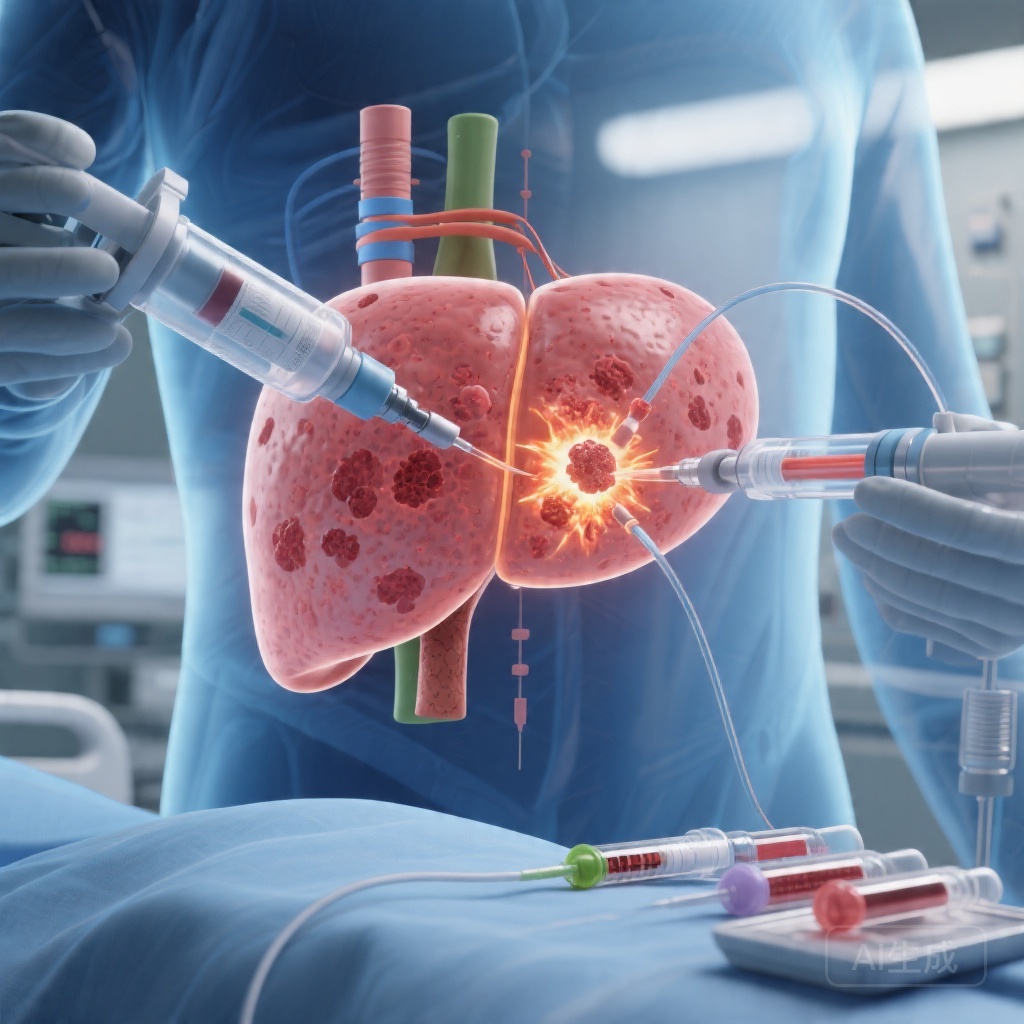
Perioperative Nivolumab Combined with Irreversible Electroporation Shows Antitumoral Effect in High-Risk BCLC A Hepatocellular Carcinoma: Results from the NIVOLEP Phase 2 Trial

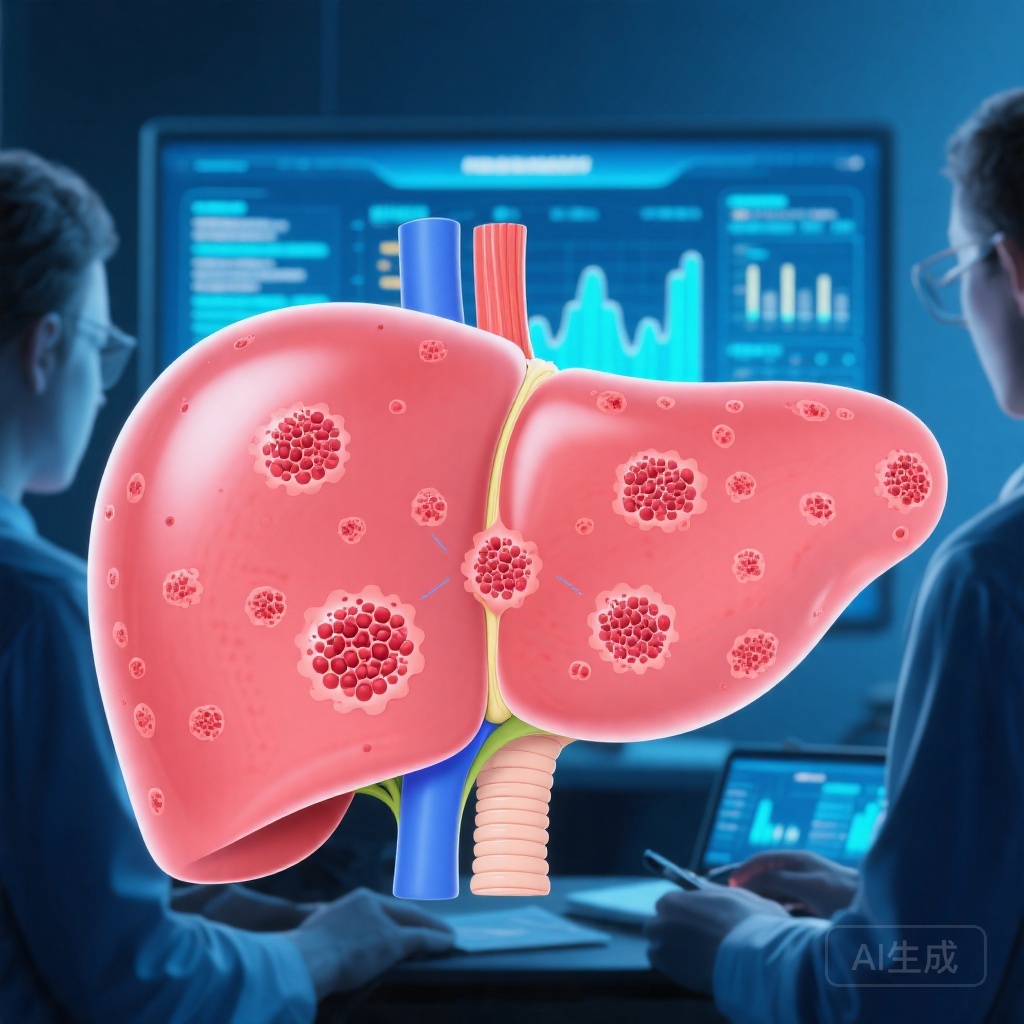
Perioperative Nivolumab Combined with Irreversible Electroporation Shows Antitumoral Effect in High-Risk BCLC A Hepatocellular Carcinoma: Results from the NIVOLEP Phase 2 Trial

The NIVOLEP phase 2 trial demonstrates that perioperative nivolumab (neoadjuvant and adjuvant) combined with irreversible electroporation achieves 70.6% one-year local recurrence-free survival in BCLC A HCC patients with high recurrence risk. Pathological response correlated with immune activation pathways, suggesting synergistic effects between immunotherapy and ablation.
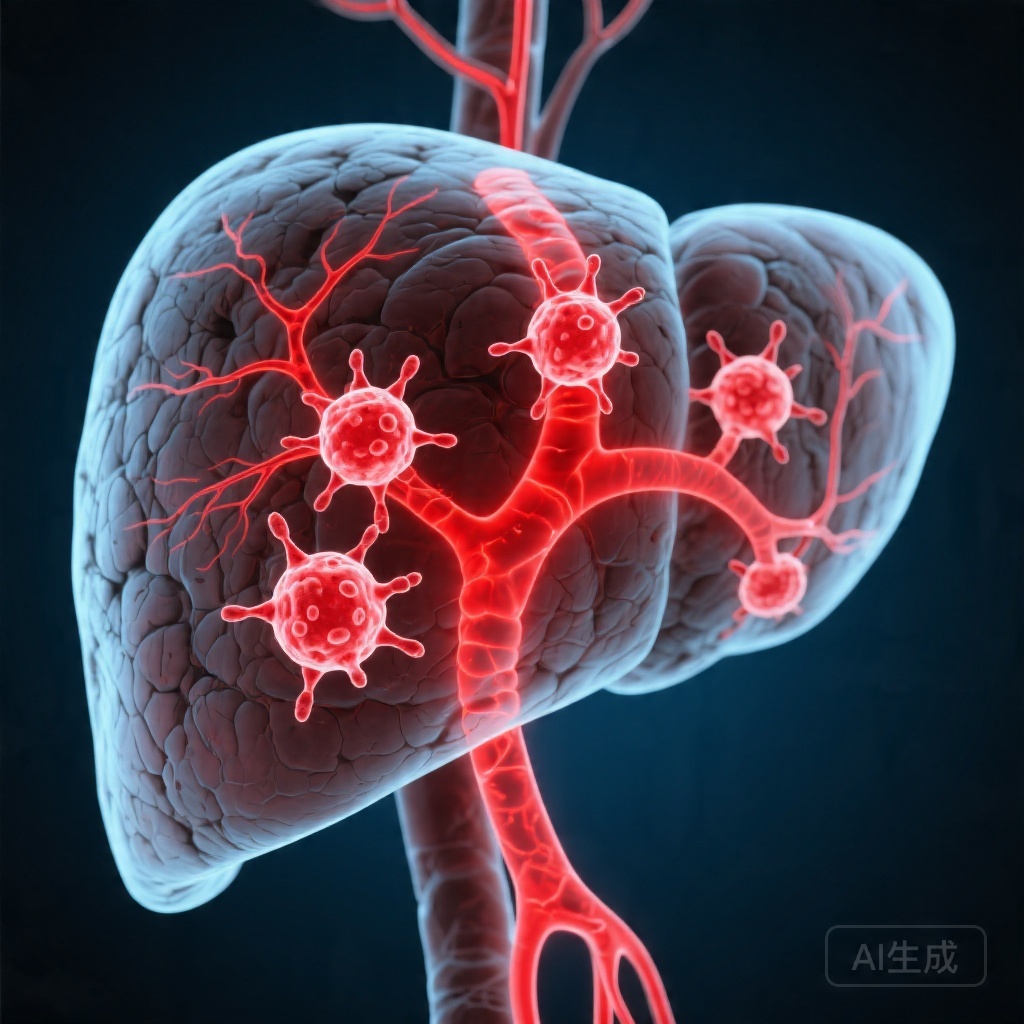
Portal Tryptophan Depletion Drives Hyper-Reactive Neutrophils in Alcoholic Liver Disease: Insights from a Prospective TIPS Study

Portal Tryptophan Depletion Drives Hyper-Reactive Neutrophils in Alcoholic Liver Disease: Insights from a Prospective TIPS Study

A prospective study reveals that decreased tryptophan levels in portal circulation induce neutrophil hyperactivation in alcoholic liver disease. In vitro supplementation with tryptophan ameliorated neutrophil activation, identifying the gut-liver metabolic crosstalk as a potential therapeutic target for mitigating neutrophil-driven liver injury.
Kissing and Celiac Disease: New Evidence That Simple Precautions Effectively Minimize Gluten Transfer Risk

Kissing and Celiac Disease: New Evidence That Simple Precautions Effectively Minimize Gluten Transfer Risk

A prospective study in Gastroenterology examined gluten transfer through kissing in celiac-discordant couples. Researchers found that while low-level gluten is detectable in saliva, the risk of clinically significant transfer is minimal. A simple intervention—drinking 4 oz of water before kissing—effectively eliminates detectable gluten, offering practical guidance for patients managing celiac disease.
New EHR-Based Model PRIME Achieves 0.75 AUC in Predicting Pancreatic Cancer Risk Across 11 Million Patients

New EHR-Based Model PRIME Achieves 0.75 AUC in Predicting Pancreatic Cancer Risk Across 11 Million Patients

Researchers developed PRIME, a parsimonious risk stratification model for pancreatic ductal adenocarcinoma using electronic health record data. Validated across US health systems and the UK Biobank, PRIME retained 19 predictors and achieved strong discrimination, enabling targeted early detection in high-risk populations.