Why Hepatitis E Remains a Silent Threat in Transplant Recipients: Key Insights from Two Decades of Data

Why Hepatitis E Remains a Silent Threat in Transplant Recipients: Key Insights from Two Decades of Data

A 20-year retrospective study of 6,452 solid organ transplant patients reveals hepatitis E infection rates of 3.5%, with chronicity rates exceeding 65%. The findings highlight the critical importance of HEV screening and the effectiveness of extended ribavirin therapy in achieving viral clearance.
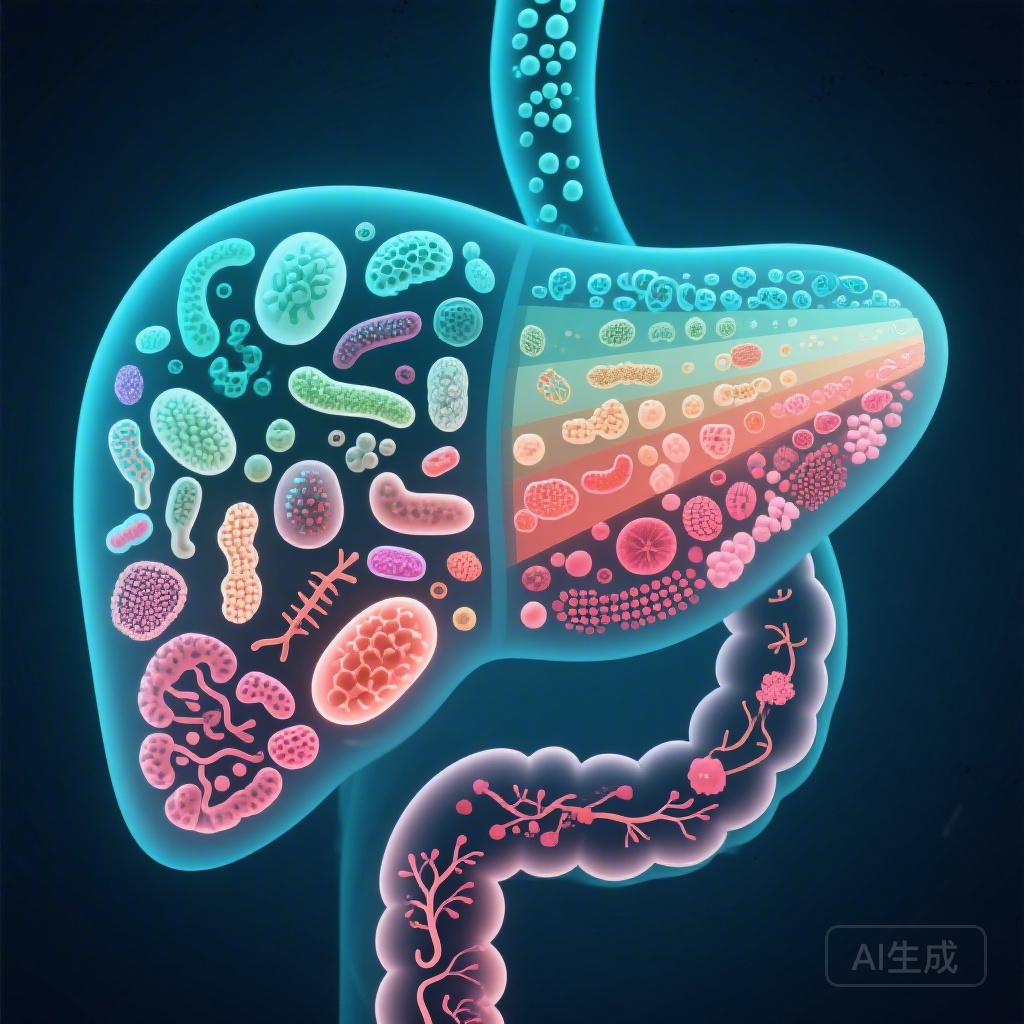
Enterococcus faecalis Drives MHC-II Expression in Intestinal Epithelium: A Novel Mechanism Linking Gut Microbiome Dysbiosis to Lethal Graft-versus-Host Disease

Enterococcus faecalis Drives MHC-II Expression in Intestinal Epithelium: A Novel Mechanism Linking Gut Microbiome Dysbiosis to Lethal Graft-versus-Host Disease

Research reveals that Enterococcus faecalis colonization induces MHC-II expression in intestinal epithelial cells during graft-versus-host disease, with a lantibiotic-producing Blautia producta strain demonstrating potential to restore colonization resistance and improve survival outcomes.
Beyond the Backpressure: Targeting the Integrin αV-YAP-CTGF Axis to Halt Fibrosis in Congestive Hepatopathy

Beyond the Backpressure: Targeting the Integrin αV-YAP-CTGF Axis to Halt Fibrosis in Congestive Hepatopathy

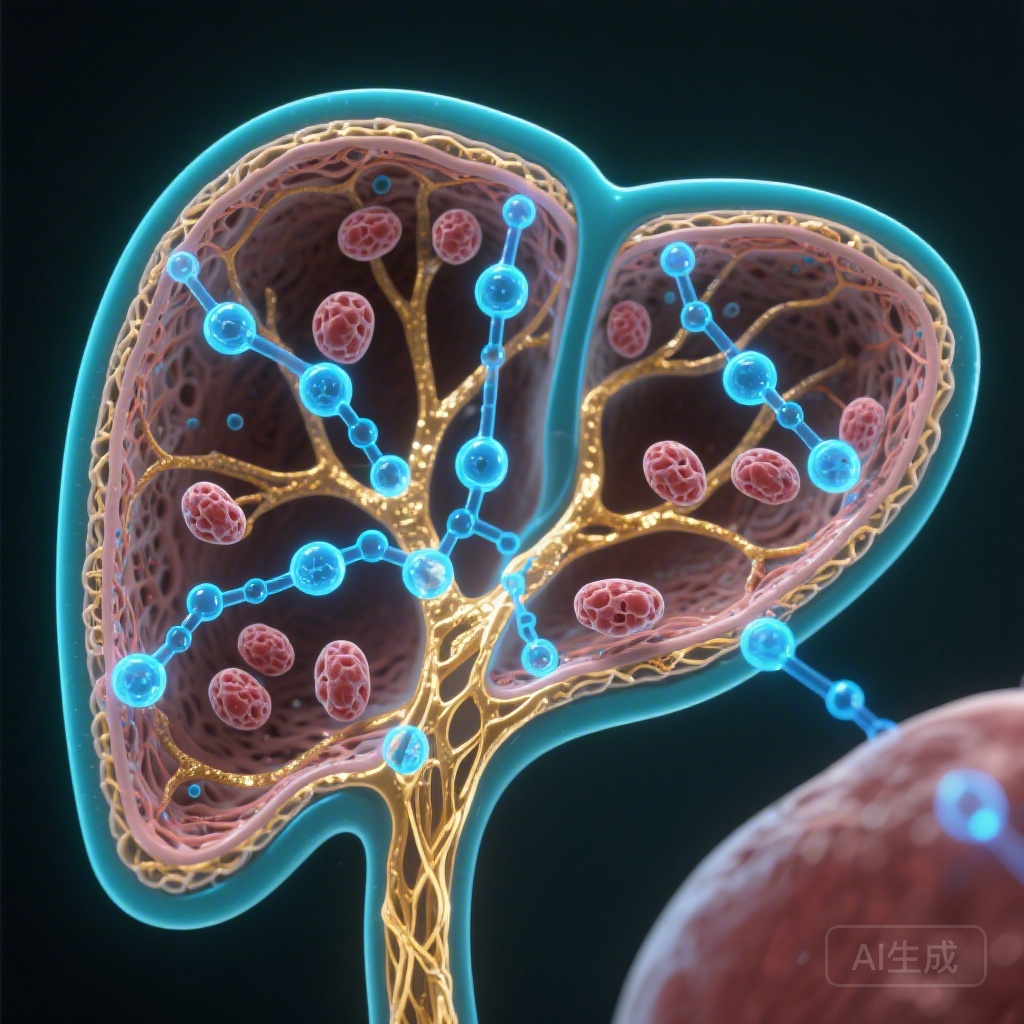
This study identifies the integrin αV-YAP-CTGF axis in liver sinusoidal endothelial cells as a primary driver of fibrosis and carcinogenesis in congestive hepatopathy. By targeting this mechanosensitive pathway, researchers demonstrated a significant reduction in portal hypertension and liver damage in both murine models and human clinical samples.
From Pressure to Cancer: Unveiling the Integrin αV-YAP-CTGF Axis as a Therapeutic Target in Congestive Hepatopathy

From Pressure to Cancer: Unveiling the Integrin αV-YAP-CTGF Axis as a Therapeutic Target in Congestive Hepatopathy

Researchers have identified a novel signaling pathway in liver sinusoidal endothelial cells (LSECs) that drives fibrosis and liver cancer in congestive hepatopathy. The study highlights the Integrin αV-YAP-CTGF axis as a critical mechanism and potential therapeutic target for patients with chronic hepatic congestion.
Reduced Intestinal Epithelial GPX4 Expression Predicts Postoperative Crohn’s Disease Recurrence and Offers a Novel Therapeutic Target

Reduced Intestinal Epithelial GPX4 Expression Predicts Postoperative Crohn’s Disease Recurrence and Offers a Novel Therapeutic Target

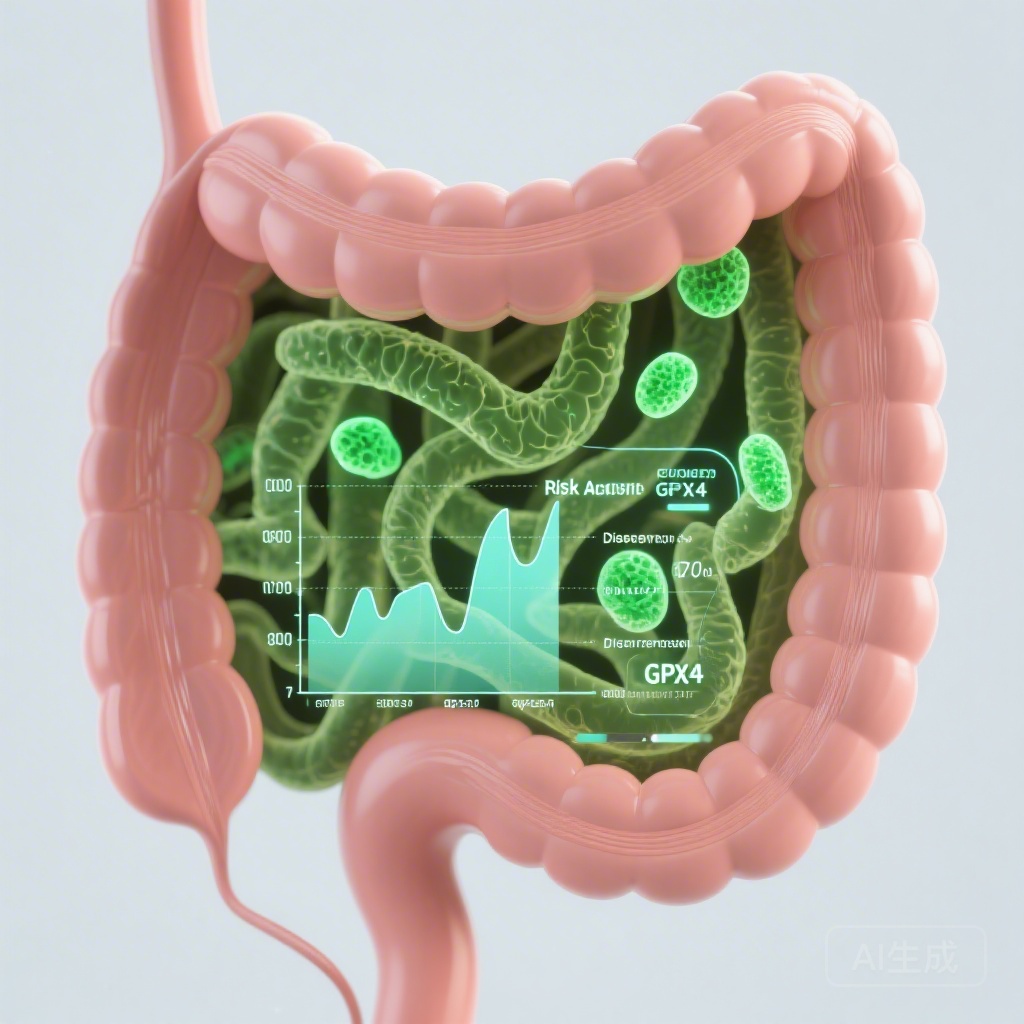
A breakthrough study identifies epithelial Glutathione peroxidase 4 (GPX4) deficiency as a potent predictor of Crohn's disease recurrence after surgery. The research links this biomarker to endoplasmic reticulum stress and highlights selenium supplementation as a potential druggable strategy to improve patient outcomes.
Dietary Lipid Sequestration and Metabolic Rewiring in Colorectal Cancer: New Mechanistic Frontiers and Therapeutic Potential

Dietary Lipid Sequestration and Metabolic Rewiring in Colorectal Cancer: New Mechanistic Frontiers and Therapeutic Potential

This review synthesizes recent evidence on how colorectal cancer tissues directly absorb extrinsic long-chain fatty acids from the intestinal lumen, particularly in right-sided tumors, and explores the critical interplay between lipid metabolism, the gut microbiome, and cancer cell proliferation.
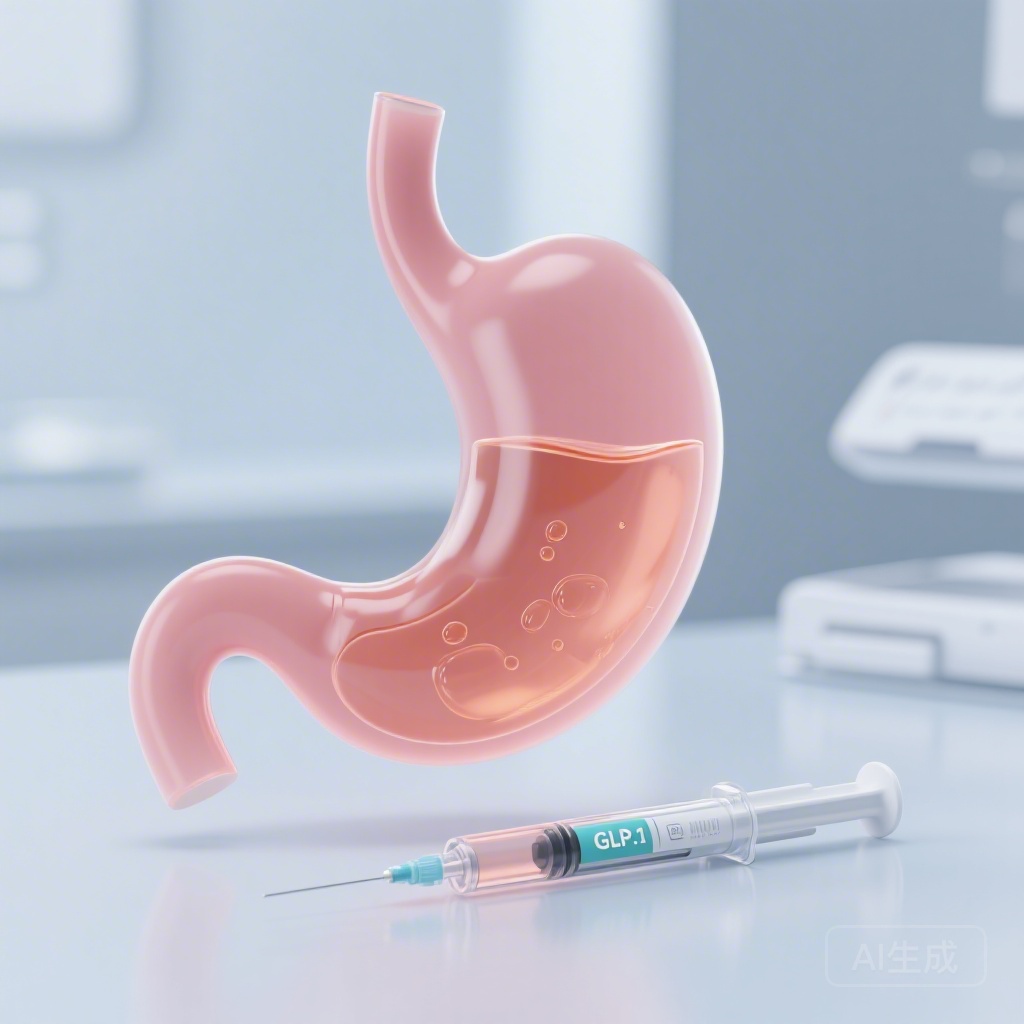
Holding GLP-1/GIP Agonists Before Upper Endoscopy Reduces Residual Gastric Volume Risk: Insights from the OCULUS Randomized Trial

Holding GLP-1/GIP Agonists Before Upper Endoscopy Reduces Residual Gastric Volume Risk: Insights from the OCULUS Randomized Trial

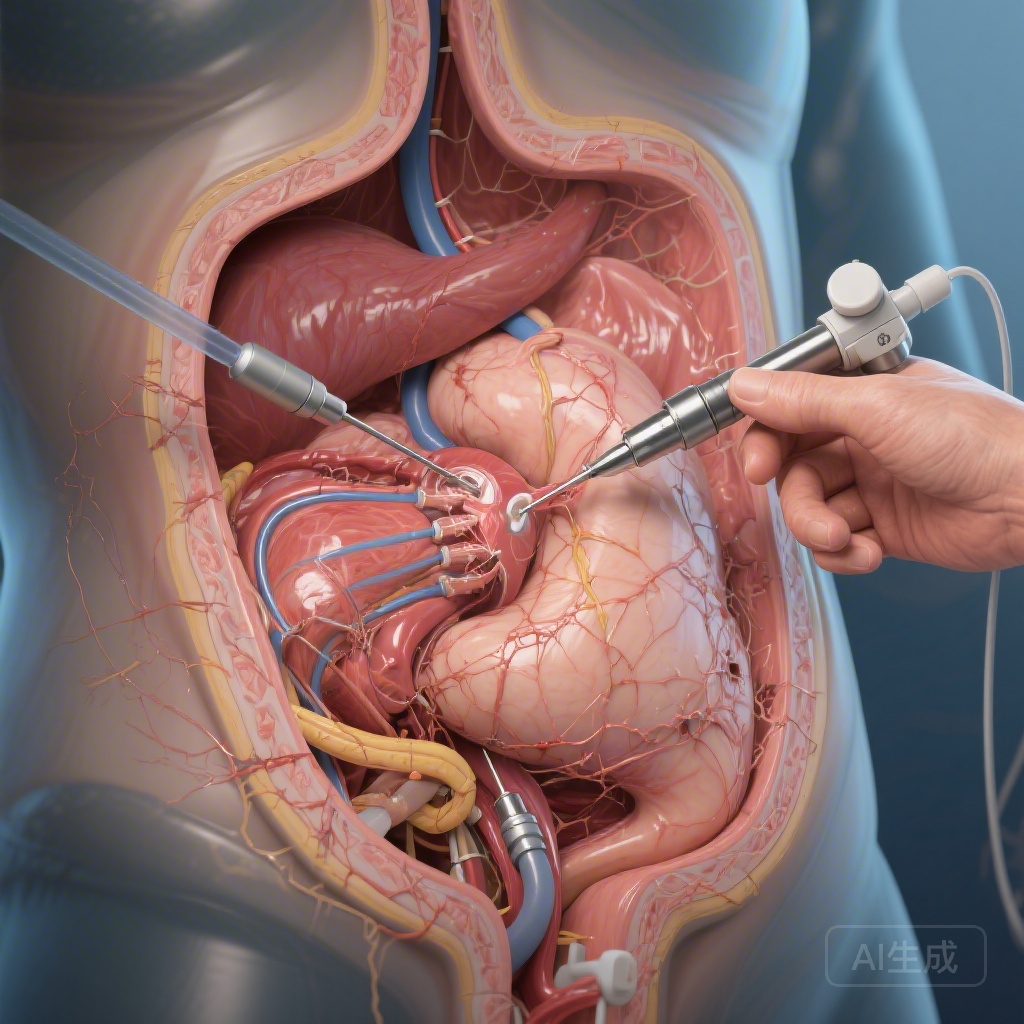
The OCULUS randomized trial demonstrates that continuing GLP-1/GIP agonists before upper endoscopy significantly increases the risk of clinically significant residual gastric volume compared to holding a single dose, providing crucial evidence for perioperative management guidelines.