Highlights
- Neoadjuvant stereotactic ablative radiotherapy (SABR) targeting IVC tumor thrombus in RCC is feasible and demonstrates a favorable safety profile.
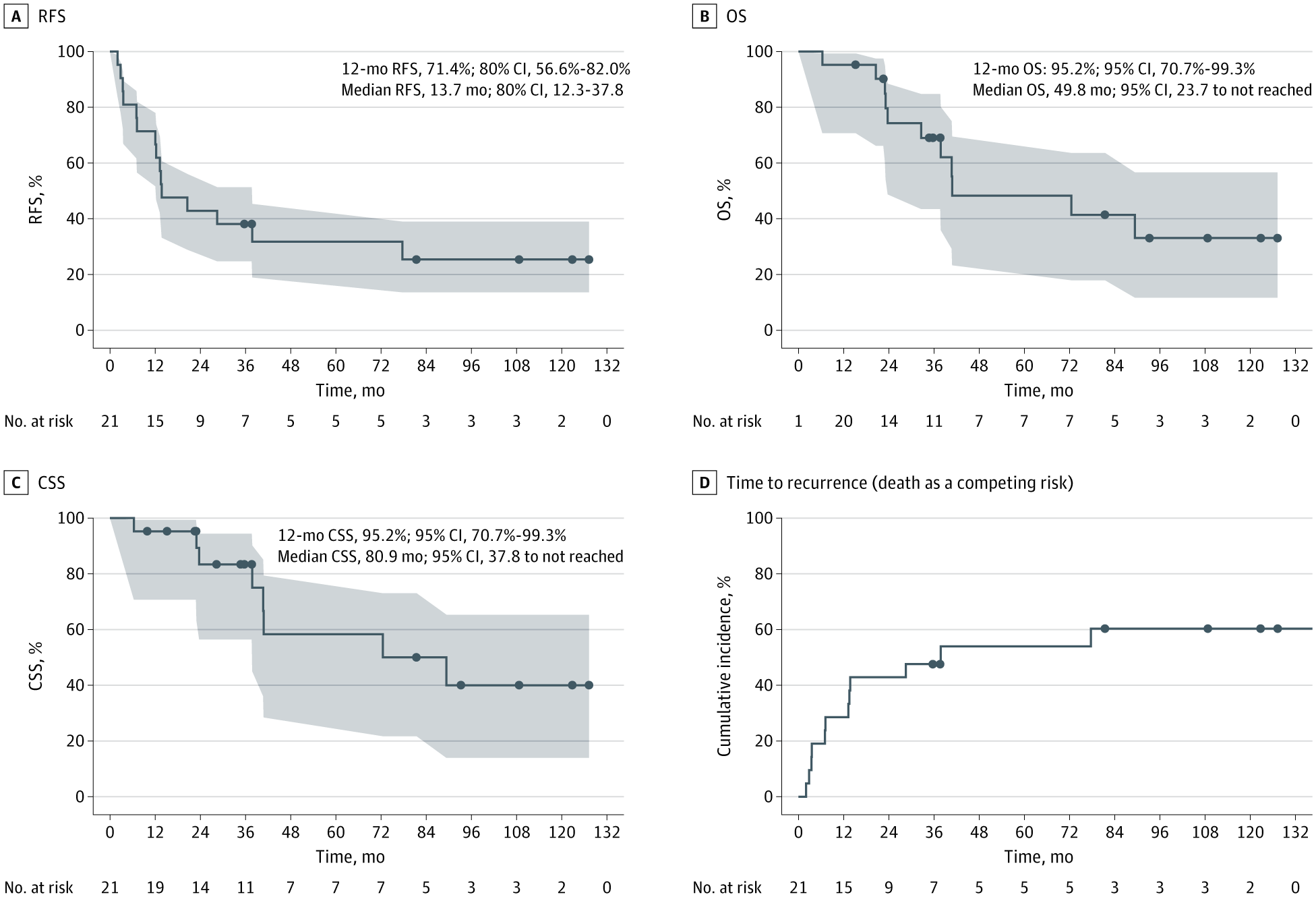
- Recent phase 2 data indicate improved 1-year recurrence-free survival (71.4%) compared to historical surgery-alone benchmarks (55.7%).
- Biomarker analyses show reduced proliferative index (Ki-67) and declining circulating tumor DNA post-treatment, suggesting biologic tumor modulation.
- Integration of SABR with radical nephrectomy and IVC thrombectomy could mitigate recurrence risk in high-grade, high-risk RCC with venous involvement.
Background
Renal cell carcinoma (RCC) complicated by tumor thrombus extension into the inferior vena cava (IVC) presents a major surgical challenge with elevated perioperative morbidity and mortality. Despite radical nephrectomy coupled with IVC thrombectomy, recurrence rates remain high, and no consensus neoadjuvant local therapies have been established to improve outcomes in these patients. Stereotactic ablative radiotherapy (SABR) delivers high-dose, precise radiation over a limited number of fractions, potentially enabling local tumor control and impacting micrometastatic disease. Its role in neoadjuvant settings for RCC with IVC tumor thrombus is under active investigation. This review consolidates available phase 2 clinical data assessing efficacy, safety, and translational biomarker outcomes of neoadjuvant SABR preceding surgery in this high-risk population.Key Content
Chronological Development and Clinical Trials
The initial safety lead-in of a phase 2 trial published in 2021 by Lin et al. (PMID: 33549705) included six patients undergoing SABR (40 Gy in 5 fractions) targeting the IVC tumor thrombus followed by radical nephrectomy and vena cava thrombectomy (RN-IVCT). No grade 4 or 5 adverse events were observed within 90 days post-surgery, and all patients were alive at median 24-month follow-up. Notably, SABR induced decreased Ki-67 proliferation and increased PD-L1 expression within the thrombus, suggesting an immunomodulatory effect. Following this, a prospective pilot study from Asia (PMID: 38310214) enrolled eight patients receiving neoadjuvant SABR (30 Gy in 5 fractions), with a rest period of 2-4 weeks before surgery. Short-term local control was achieved in all cases, and adverse events were limited predominantly to grade 1-2. Median operative time was 359 minutes with an acceptable intraoperative bleeding profile. Mean overall survival was approximately 31 months at median 26-month follow-up, supporting feasibility and preliminary efficacy. The comprehensive phase 2 trial reported by Hannan et al. (PMID: 42879162) is the largest and most mature data set to date. Conducted at a single center between 2015 and 2024, it enrolled 23 patients with Mayo level II-IV tumor thrombus. SABR was delivered as 40 Gy in 5 fractions or 36 Gy in 3 fractions targeting radiographically defined thrombus, followed by radical nephrectomy and IVC thrombectomy. Twenty-two patients proceeded to surgery, and 21 were included in the primary analysis. At a median follow-up of 108.6 months, the 1-year recurrence-free survival (RFS) was 71.4% (95% CI 47.2-86), surpassing the historical benchmark of 55.7% from surgery-alone cohorts, meeting the phase 2 screening criterion (P=0.09). One-year overall survival and cancer-specific survival were both 95.2%, with no 90-day perioperative mortality. Toxicity was acceptable, with four grade 4 treatment-related events but no high-grade radiation-attributed toxicities. Exploratory analyses revealed reduced Ki-67 expression in irradiated thrombi and consistent decline of tumor-informed circulating tumor DNA post-treatment, indicating biological treatment response.Safety and Perioperative Outcomes
Across these studies, neoadjuvant SABR before surgery showed an acceptable safety profile. The absence of grade 4/5 radiation-related toxicities and no perioperative mortality in the large phase 2 cohort underscore feasibility. Some treatment-attributed high-grade events occurred but were manageable. Surgical complications, operative time, and blood loss were consistent with complex thrombectomy procedures without worse outcomes attributable to preoperative radiotherapy.Biomarker and Translational Insights
Immunohistochemical assessment showed decreased Ki-67, a marker of cell proliferation, consistent with impaired tumor cell growth after SABR. Increased PD-L1 expression post-radiation suggests potential immune activation, aligning with previous observations from preclinical and other clinical contexts where ablative radiotherapy modulates tumor microenvironment and immune checkpoints. In parallel, liquid biopsy assessments of tumor-informed circulating tumor DNA confirmed detectable disease molecular burden that declined following SABR and surgery, providing a dynamic biomarker for treatment monitoring and possibly early detection of residual disease or recurrence.Expert Commentary
The integration of SABR as a neoadjuvant modality targeting IVC tumor thrombus in RCC is an innovative clinically translational strategy addressing a significant unmet need. The bulky tumor thrombus with venous invasion portends poor prognosis in RCC, and effective local control before surgery could reduce recurrence risk and improve survival. While the nonrandomized design and limited sample sizes warrant cautious interpretation, these phase 2 data consistently demonstrate promising RFS improvement over historical controls without compromising perioperative safety. The biological effects evidenced by reduced proliferative indices and circulating tumor DNA declines lend mechanistic credibility to the clinical benefits. Limitations include the absence of randomized comparison, potential selection bias, and long-term outcomes beyond 1-year RFS which remain to be verified. The role of SABR dose-fractionation optimization and timing relative to surgery also requires further study. Additionally, how neoadjuvant SABR may synergize with systemic therapies, including immunotherapies, in metastatic or locally advanced RCC remains an area of active investigation. Current clinical guidelines do not yet incorporate neoadjuvant SABR for this indication, but accumulating evidence supports consideration in selected high-risk patients within multidisciplinary cancer centers. Future randomized trials and biomarker-driven research are essential to establish the definitive role of SABR in the preoperative RCC setting.Conclusion
Neoadjuvant stereotactic ablative radiotherapy targeting inferior vena cava tumor thrombus in renal cell carcinoma represents a feasible and potentially effective strategy improving short-term recurrence-free survival while maintaining acceptable safety. Biomarker data corroborate the anti-tumor biological effects of SABR. Although promising, these findings remain preliminary and exploratory, necessitating further randomized validation to define standard-of-care incorporation and optimize multidisciplinary RCC management.References
- Hannan R, Lin L, Assadi R, et al. Neoadjuvant Stereotactic Ablative Radiotherapy Before Inferior Vena Cava Thrombectomy for Renal Cell Carcinoma: A Phase 2 Nonrandomized Clinical Trial. JAMA Oncol. 2026 Oct 15:e264172. PMID: 42879162.
- Lin L, Wait M, Timmerman R, et al. Neoadjuvant SABR for Renal Cell Carcinoma Inferior Vena Cava Tumor Thrombus-Safety Lead-in Results of a Phase 2 Trial. Int J Radiat Oncol Biol Phys. 2021 Jul 15;110(4):1135-1142. PMID: 33549705.
- Wang C, Zhang Z, Li M, et al. Neoadjuvant stereotactic ablative body radiotherapy combined with surgical treatment for renal cell carcinoma and inferior vena cava tumor thrombus: a prospective pilot study. BMC Urol. 2024 Feb 3;24(1):31. PMID: 38310214.