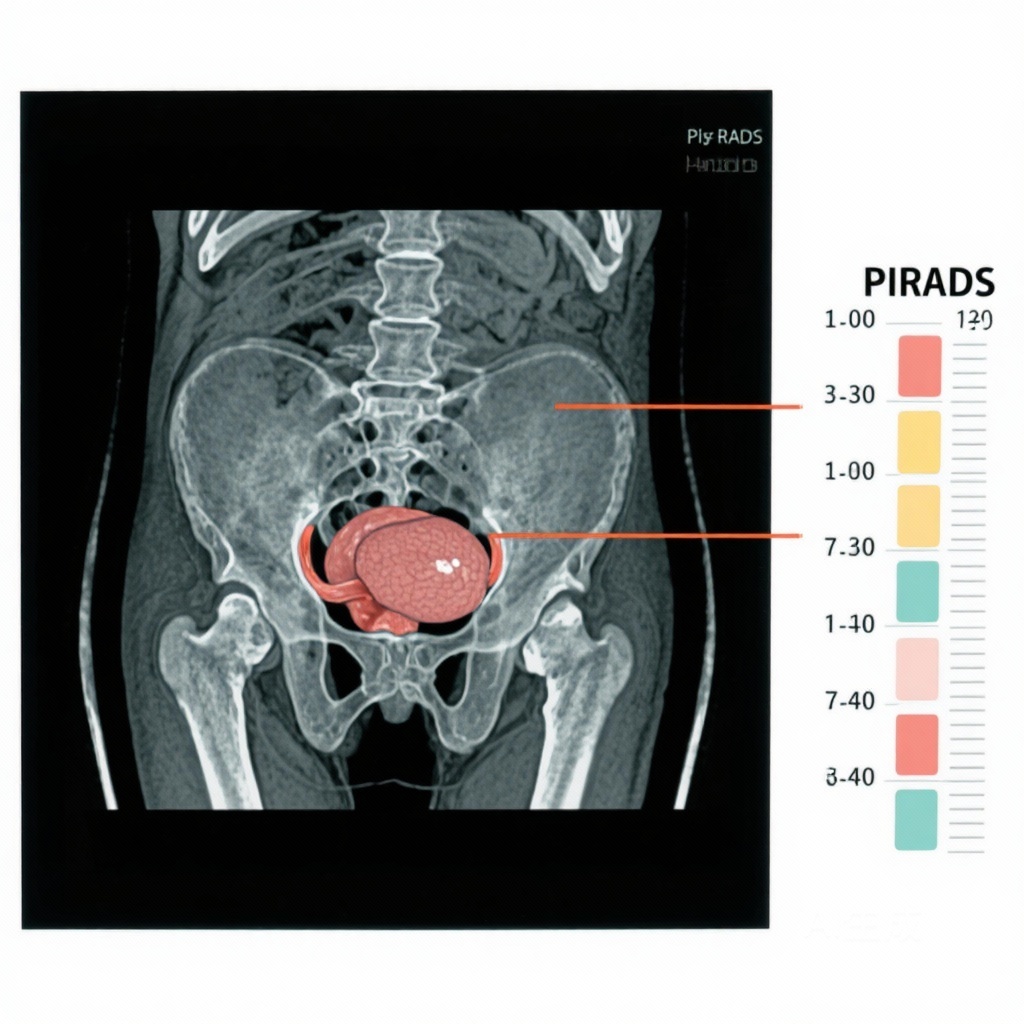
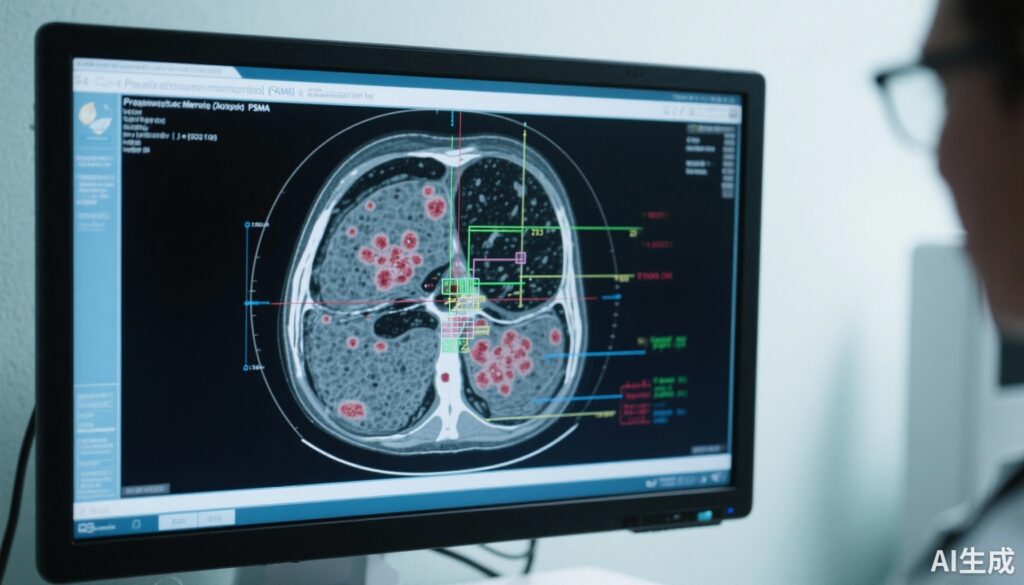
Long-term data show RAPID MRI-directed pathway safely avoids unnecessary biopsies while maintaining low rates of clinically significant prostate cancer.
The FDA approved once‑daily niraparib plus abiraterone acetate and prednisone for adults with deleterious or suspected deleterious BRCA2‑mutated metastatic castration‑sensitive prostate cancer (CSPC), based on rPFS and interim overall survival benefits in the AMPLITUDE trial.
A large registry study found that men with prostate cancer who traveled ≥30 minutes to their treating facility had modestly lower all-cause and prostate cancer–specific mortality than those traveling <30 minutes, raising questions about care centralization, case mix, and access barriers.
The NCI convened experts to provide clinical-trial design recommendations for biochemically recurrent prostate cancer in the era of PSMA PET, defining PSMA+BCR, high-risk criteria, imaging and data standards, endpoint suggestions, and a push toward deintensification to limit toxicity.
An individual-patient data meta-analysis of 10,266 men shows nonlinear oncologic benefit from longer ADT with radiotherapy (diminishing beyond 9–12 months) but increasing other-cause mortality with long-term ADT; optimal duration should be individualized by risk group and competing risks.
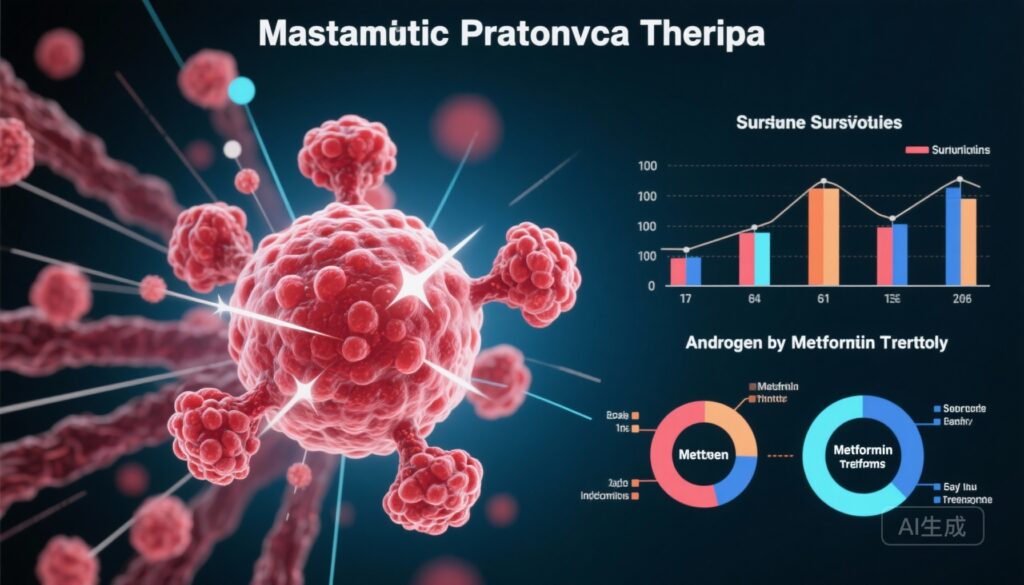
The MAST phase III trial found no benefit of metformin (850 mg twice daily) versus placebo for delaying progression in men with low‑risk prostate cancer on active surveillance; a prespecified subgroup showed increased pathologic progression in obese patients.
A randomized phase III trial (MAST) found metformin did not prolong progression‑free survival in men on active surveillance for low‑risk prostate cancer; an exploratory subgroup showed increased pathologic progression in obese patients.
Comprehensive review of metformin's role in metastatic prostate cancer with ADT highlights STAMPEDE trial's findings: no significant overall survival benefit but metabolic side-effect mitigation. Integration of other RCTs outlines nuanced effects on metabolic syndrome and progression outcomes.
In the PRIME randomized phase 3 trial, metformin did not significantly reduce metabolic syndrome incidence in men starting androgen deprivation therapy, but produced modest, clinically relevant reductions in body weight, waist circumference, and hemoglobin A1c.
The AMPLITUDE trial demonstrated that adding niraparib to abiraterone acetate plus prednisone significantly improves progression-free survival in HRR-deficient metastatic prostate cancer, with maintained quality of life and manageable safety in advanced clinical settings.
Final TALAPRO-2 data show that adding talazoparib to enzalutamide improves overall survival and rPFS in metastatic castration‑resistant prostate cancer, with the largest benefit in BRCA1/2‑altered tumors; hematologic toxicity is common but manageable.
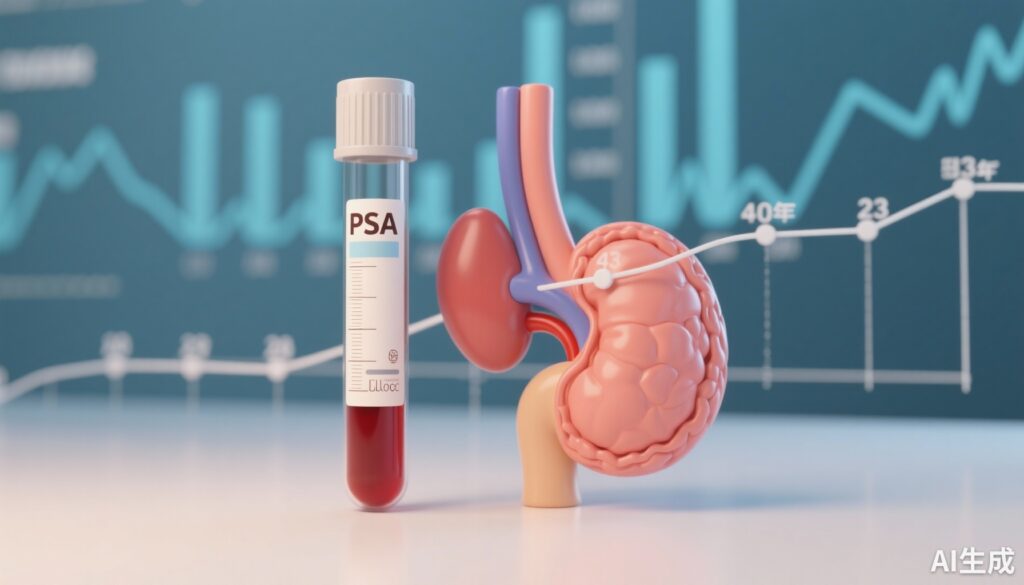
The 23-year follow-up of the ERSPC confirms that PSA screening reduces prostate cancer mortality by 13%, with an improved harm-benefit ratio, supporting risk-based screening strategies to optimize outcomes.
This meta-analysis reveals that systemic treatment intensification improves overall survival in metastatic hormone-sensitive prostate cancer, with greater benefits in younger men and nuanced effects in older men, especially based on disease volume.
This review highlights the recent findings from the EMBARK trial demonstrating improved overall survival with enzalutamide combined with leuprolide in high-risk recurrent prostate cancer.
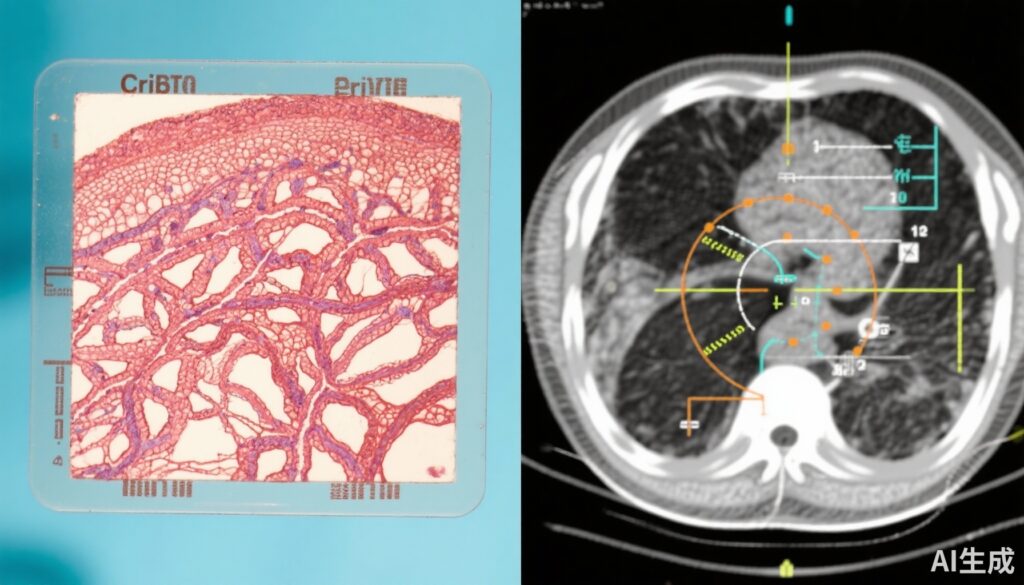
A secondary analysis of the PROTECT trial reveals cribriform-positive prostate cancer significantly elevates 15-year metastasis risk, with radiotherapy plus neoadjuvant ADT reducing this risk more effectively than surgery or active monitoring.
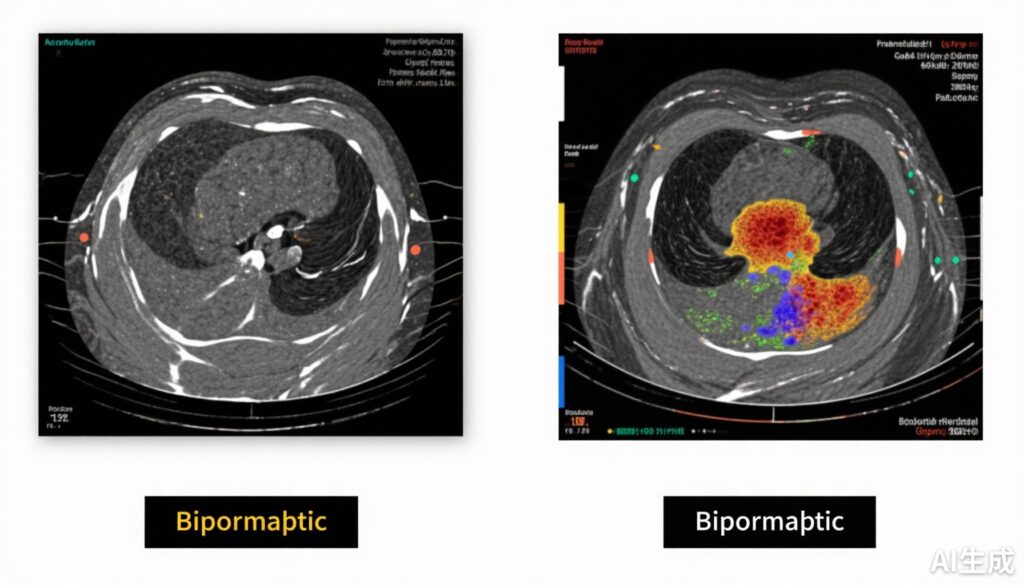
The PRIME trial demonstrates that biparametric MRI, omitting contrast enhancement, is noninferior to multiparametric MRI in detecting clinically significant prostate cancer, offering a faster, cost-effective alternative potentially transforming diagnostic pathways worldwide.
A phase 2 randomized trial demonstrates that PSMA-PET-guided intensification of salvage radiotherapy after radical prostatectomy significantly improves failure-free survival without added toxicity.
A large Harvard study finds that frequent ejaculation—about 21 times a month—is associated with a significantly reduced risk of prostate cancer among men, offering new insights into modifiable factors for prevention.
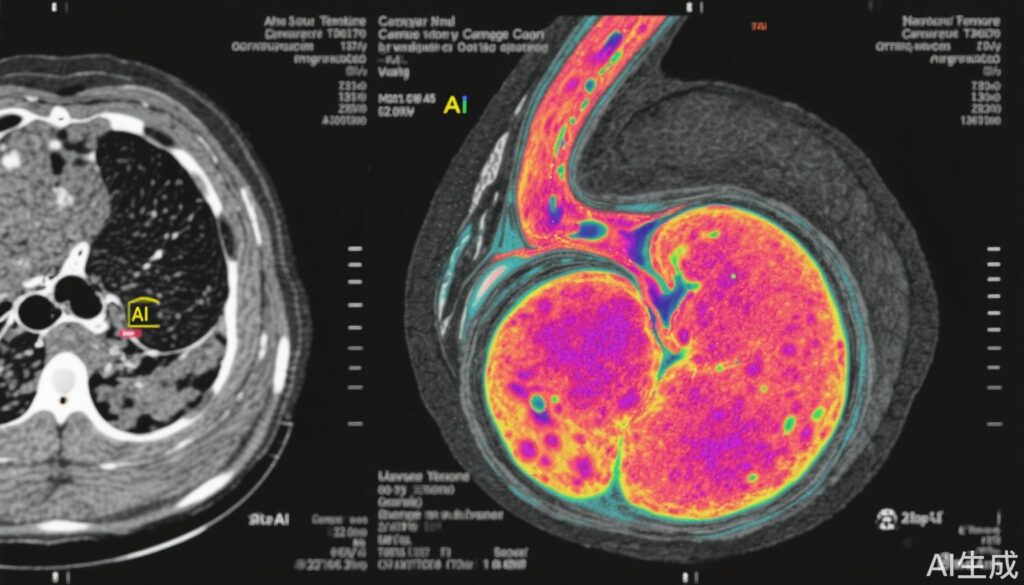
A multidisciplinary Chinese team has developed an AI-driven MRI-pathology foundation model that enables accurate, non-invasive diagnosis and grading of prostate cancer, significantly improving clinical decision-making and reducing unnecessary biopsies.