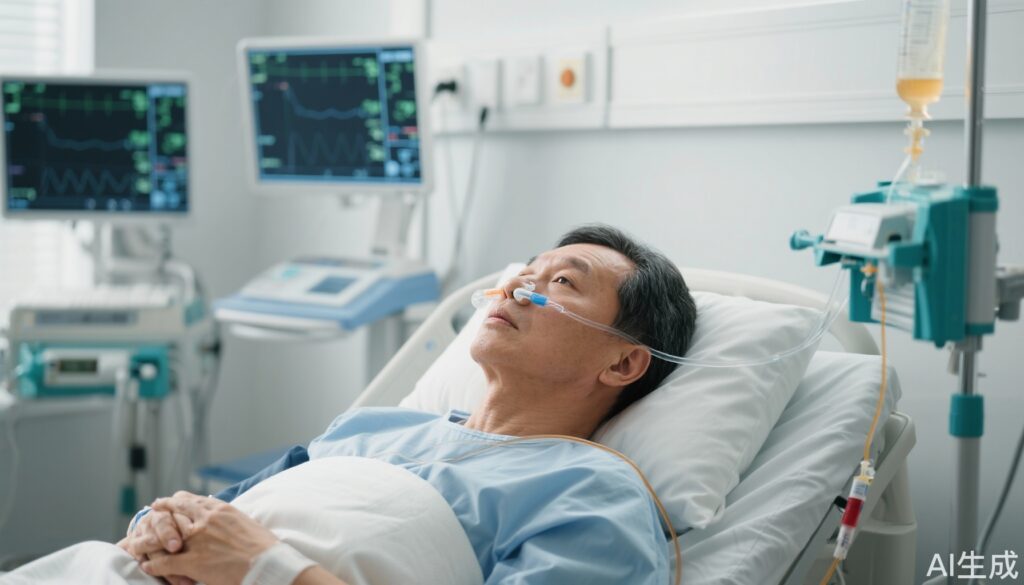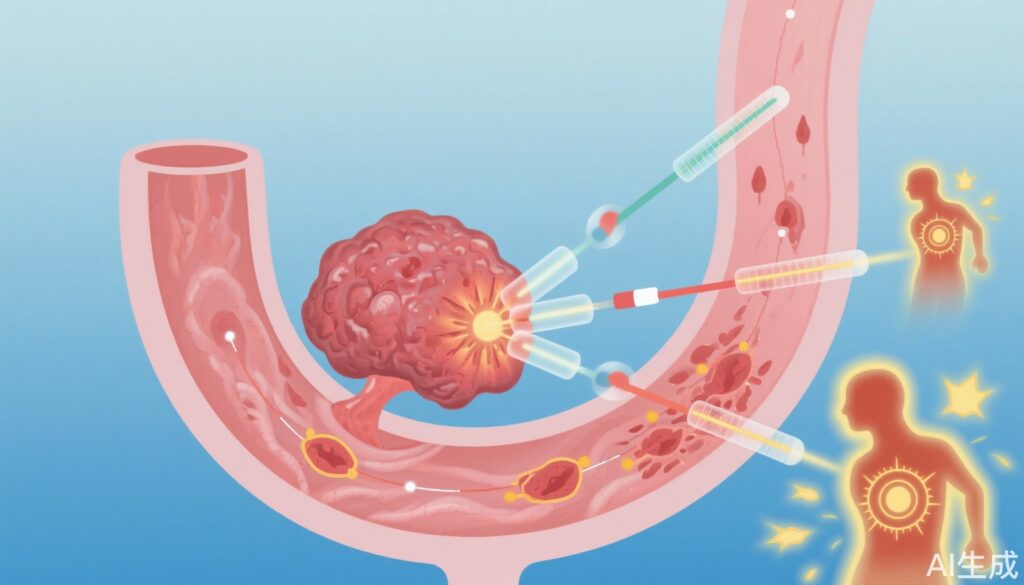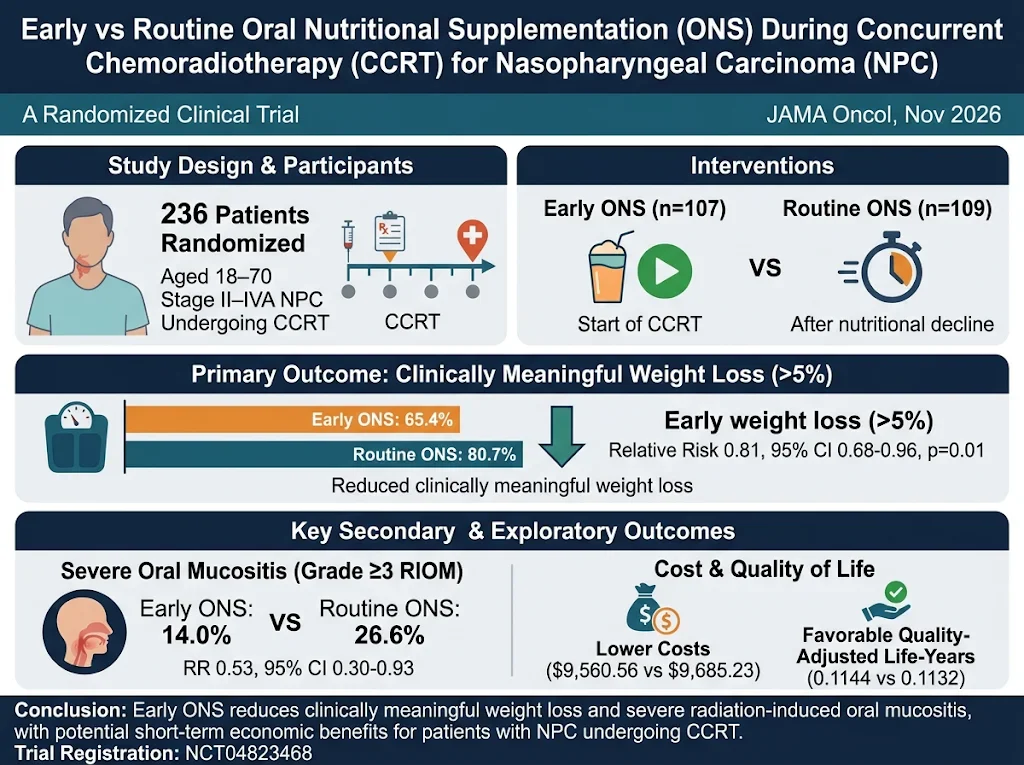
鼻咽癌同步放化疗中的口服营养补充:早期启动优于常规补充的随机试验证据与临床启示

Early vs Routine Oral Nutritional Supplementation During Concurrent Chemoradiotherapy for Nasopharyngeal Carcinoma: Evidence and Clinical Implications from a Randomized Trial

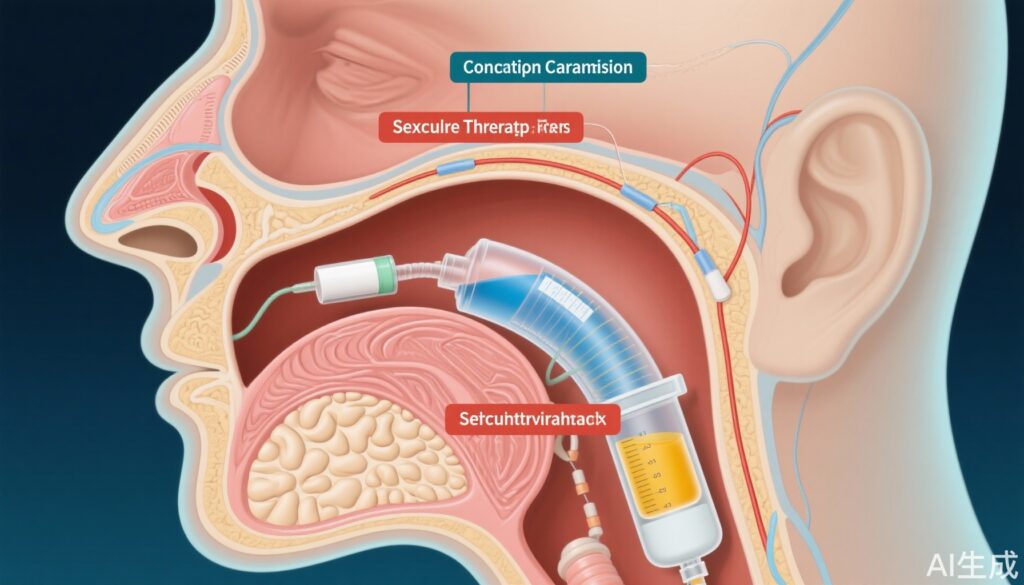
This review synthesizes current evidence on early oral nutritional supplementation (ONS) during concurrent chemoradiotherapy (CCRT) for nasopharyngeal carcinoma, highlighting clinical benefits in weight loss mitigation, mucositis reduction, and cost utility from recent RCTs and systematic analyses.
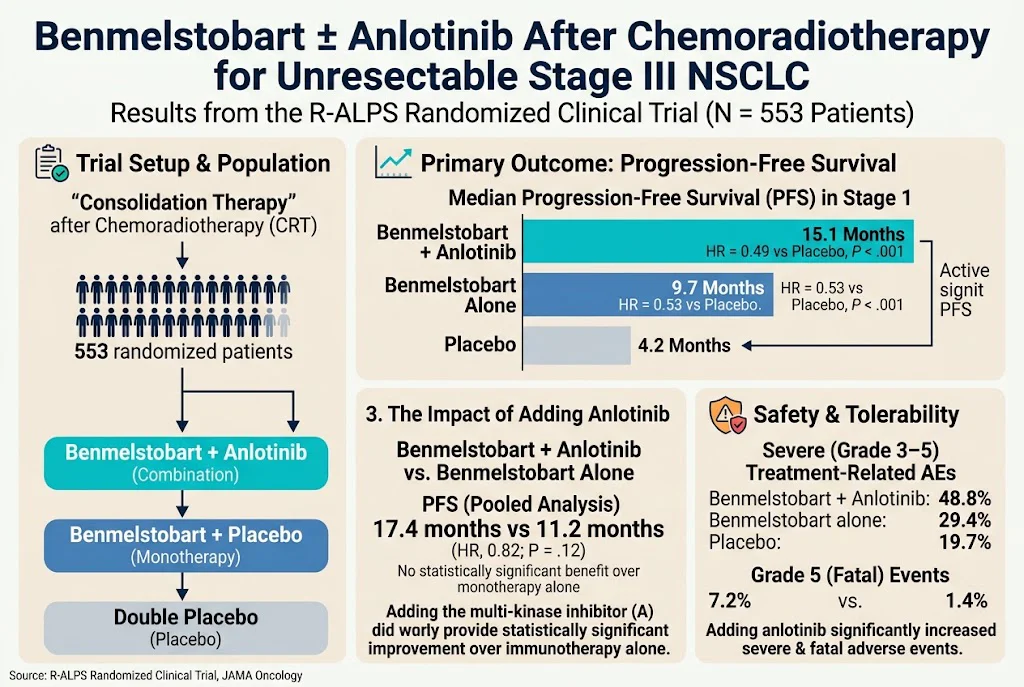
放化疗后不可切除Ⅲ期非小细胞肺癌巩固治疗:benmelstobart 联用或不联用 anlotinib 的 R-ALPS 试验解读

Evaluating Benmelstobart With or Without Anlotinib as Consolidation Therapy After Chemoradiotherapy in Unresectable Stage III NSCLC: Insights from the R-ALPS Trial

The R-ALPS randomized trial confirms that benmelstobart improves progression-free survival in unresectable stage III NSCLC patients post-chemoradiotherapy, while adding anlotinib does not significantly enhance efficacy and raises severe toxicity risks.
Metformin as an Adjunct to Chemoradiotherapy in Locally Advanced Cervical Cancer: Insights on Safety, Tolerability, and Feasibility from a Phase II Randomized Trial

Metformin as an Adjunct to Chemoradiotherapy in Locally Advanced Cervical Cancer: Insights on Safety, Tolerability, and Feasibility from a Phase II Randomized Trial

This phase II study shows that adding metformin to standard chemoradiotherapy in locally advanced cervical cancer is safe, well tolerated, and feasible, with no significant increase in severe adverse events and successful biomarker-based tumor hypoxia assessments.
Comparative Efficacy of Induction-Concurrent Versus Concurrent-Adjuvant Chemoradiotherapy in High-Risk N2-N3 Nasopharyngeal Carcinoma: Insights from a Phase 3 Randomized Trial

Comparative Efficacy of Induction-Concurrent Versus Concurrent-Adjuvant Chemoradiotherapy in High-Risk N2-N3 Nasopharyngeal Carcinoma: Insights from a Phase 3 Randomized Trial

A phase 3 trial showed no significant difference in 3-year progression-free survival between induction-concurrent and concurrent-adjuvant chemoradiotherapy in treating high-risk N2-N3 nasopharyngeal carcinoma, with both regimens exhibiting manageable safety profiles.