Congenital CMV in Australia: Reported Cases Are a Small Fraction of Estimated Burden — Implications for Screening, Treatment, and Public Health

Congenital CMV in Australia: Reported Cases Are a Small Fraction of Estimated Burden — Implications for Screening, Treatment, and Public Health

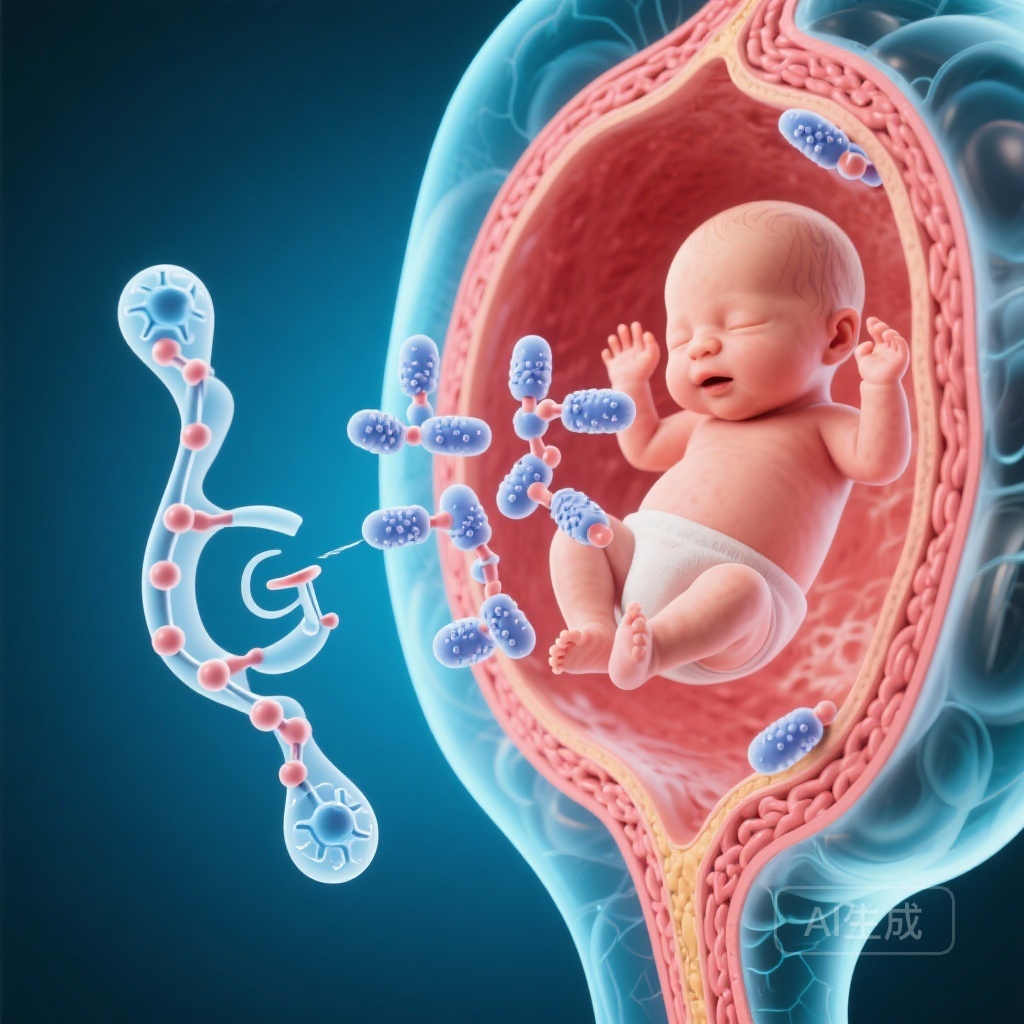
National APSU surveillance (1999–2024) found 479 definite congenital CMV cases and dramatic under-ascertainment versus expected prevalence; symptomatic infants increasingly receive antivirals. Expanded surveillance, newborn screening, and clear treatment pathways are needed.
Unilateral Pediatric Chronic Otitis Media with Effusion Impairs Binaural Hearing and Raises Tinnitus Risk: Evidence Challenging Conservative Management

Unilateral Pediatric Chronic Otitis Media with Effusion Impairs Binaural Hearing and Raises Tinnitus Risk: Evidence Challenging Conservative Management

A prospective cross-sectional study finds unilateral chronic otitis media with effusion (COME) in children is associated with poorer spatial release from masking and high tinnitus prevalence, suggesting potential central auditory consequences that may warrant reappraisal of conservative treatment recommendations.
Cochlear Implant Benefits in Children with Single‑Sided Deafness: Better in Quiet, Challenged in Noise — and Time Matters

Cochlear Implant Benefits in Children with Single‑Sided Deafness: Better in Quiet, Challenged in Noise — and Time Matters

In 185 children receiving unilateral cochlear implants, residual acoustic hearing favored the non-implanted ear in quiet (especially for SSD), but noise attenuated that advantage. Shorter auditory deprivation and longer CI experience reduced asymmetry and increased bilateral benefit, underscoring the value of early intervention.
Longitudinal Developmental Outcomes and Early Cochlear Implantation Benefits in Children with Prelingual Single-Sided Deafness: Evidence Synthesis and Clinical Recommendations

Longitudinal Developmental Outcomes and Early Cochlear Implantation Benefits in Children with Prelingual Single-Sided Deafness: Evidence Synthesis and Clinical Recommendations

Early cochlear implantation in children with prelingual single-sided deafness improves spatial hearing and cognitive outcomes, supporting neurodevelopment and mitigating risks of auditory deprivation and cortical reorganization.
Early Cochlear Implantation Shows Variable but Clinically Relevant Benefits in Children with Single-Sided Deafness: A Western Australian 10‑Year Series

Early Cochlear Implantation Shows Variable but Clinically Relevant Benefits in Children with Single-Sided Deafness: A Western Australian 10‑Year Series

A retrospective 10‑year series from Perth Children's Hospital reports heterogeneous long‑term outcomes after pediatric cochlear implantation for single‑sided deafness; earlier implantation (within 1 year) was associated with greater likelihood of benefit in speech‑in‑noise and localization.