Research indicates that the sensation of hunger triggered by calorie restriction can influence gene expression, helping to delay aging and extend lifespan by up to 35%.
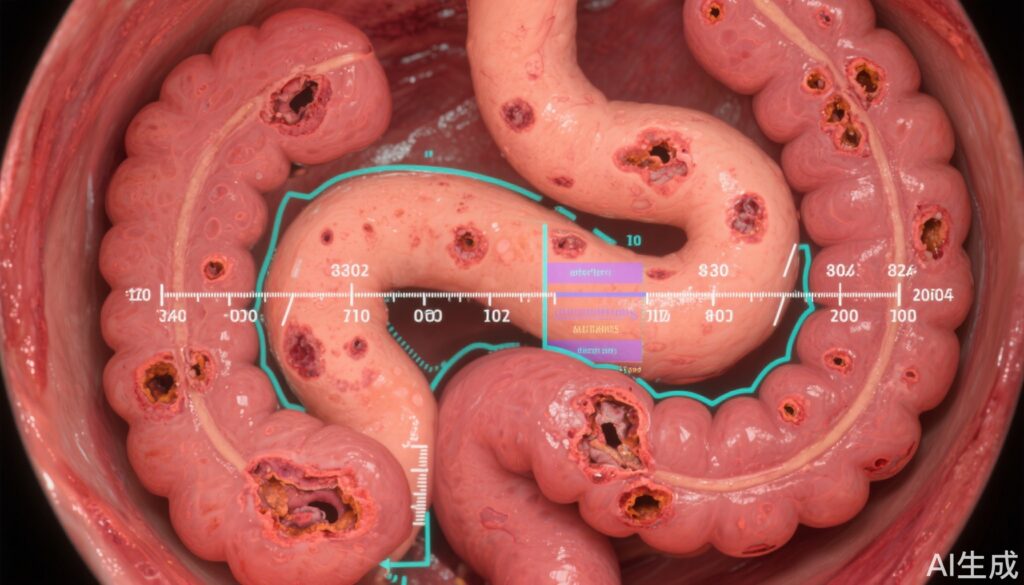
A machine learning model using nationwide registry data accurately predicts long-term remission in refractory ulcerative colitis and identifies key prognostic factors such as pseudopolyps.
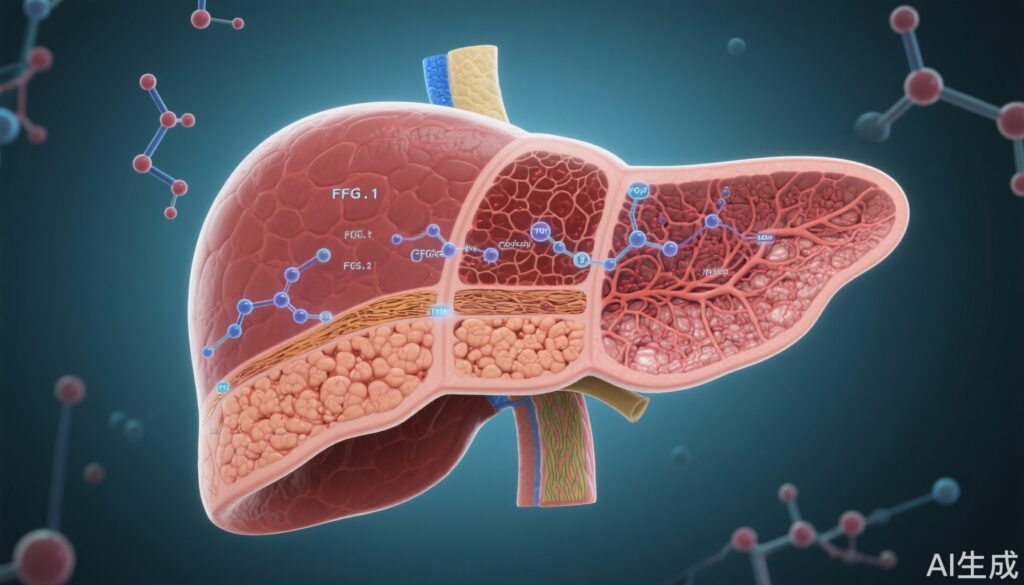
A double-blind RCT found that three consecutive fecal microbiota transplantations did not significantly improve hepatic steatosis or metabolic parameters in patients with MASLD, suggesting patient selection based on microbiota diversity may be crucial.
This trial evaluated low-dose hydrocortisone in cirrhotic patients with septic shock, finding no improvement in 28-day mortality or shock resolution compared to placebo.
Waist circumference is a superior predictor of metabolic liver diseases, outperforming BMI and other body metrics in assessing MASLD, MASH, and liver stiffness risks.
Perinatal antibiotic exposure in preterm infants disrupts gut microbiota composition, increasing pathogenic bacteria and reducing beneficial species, with implications for infection risk and the protective role of breastfeeding.
Explore how the gut, often called the 'second brain,' influences mood and mental health, and learn ways to nurture this connection for better emotional well-being.
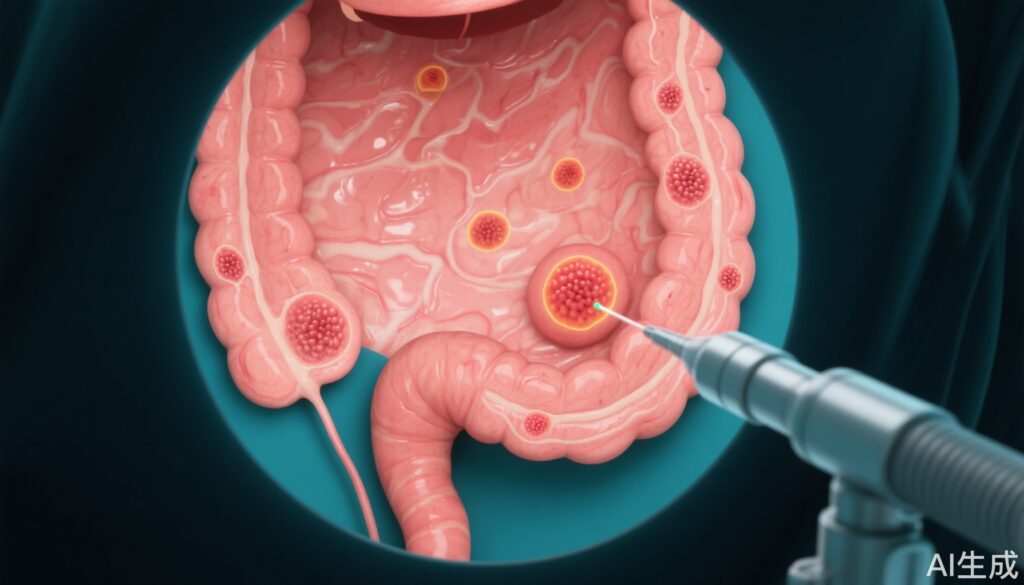
Intestinal polyps are mucosal growths that can lead to colorectal cancer. Two types, adenomatous and familial adenomatous polyps, carry a high cancer risk. Early removal and lifestyle adjustments are key to prevention.
Intestinal polyps are often benign but can become cancerous. This article explores symptoms, risk factors, and colonoscopy guidelines to help identify and prevent colorectal cancer.
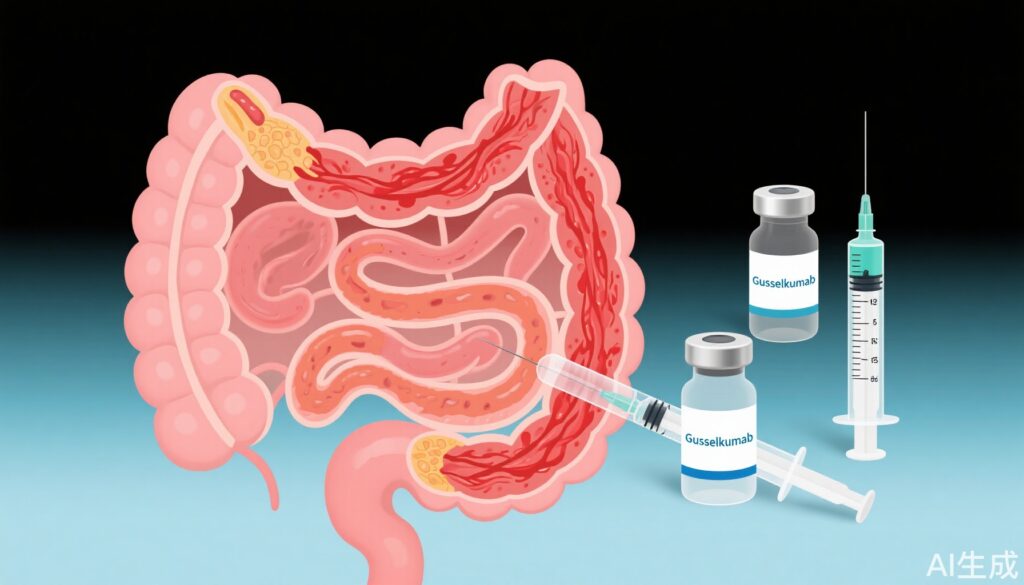
Phase 3 studies demonstrate guselkumab's efficacy and safety as induction and maintenance therapy for moderate-to-severe Crohn's disease and ulcerative colitis, with superiority over placebo and favorable safety profiles.
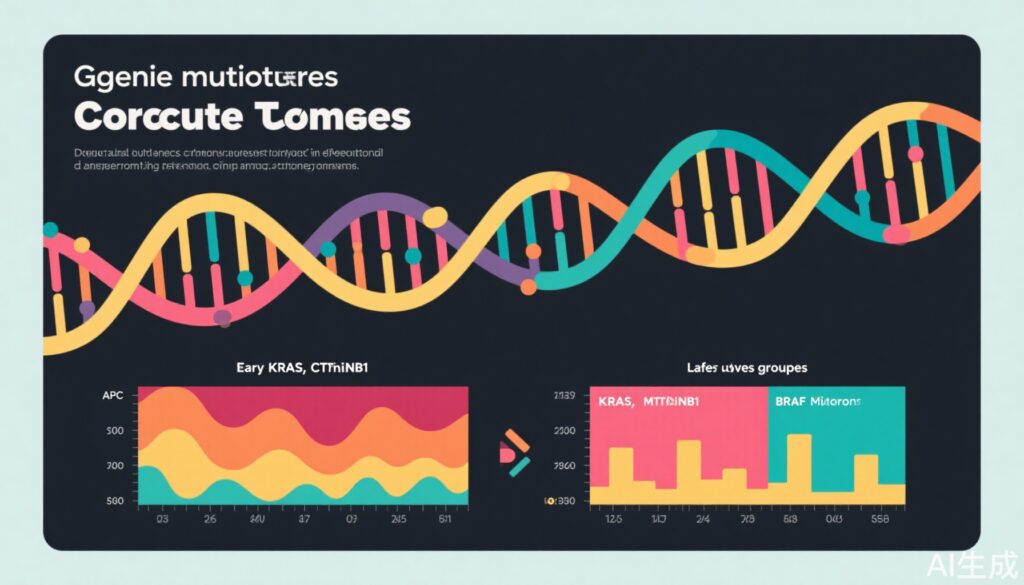
A large international study reveals unique somatic mutation profiles and higher mutational burden in hypermutated early-onset colorectal cancer, highlighting the need for age-specific molecular diagnostics and management strategies.
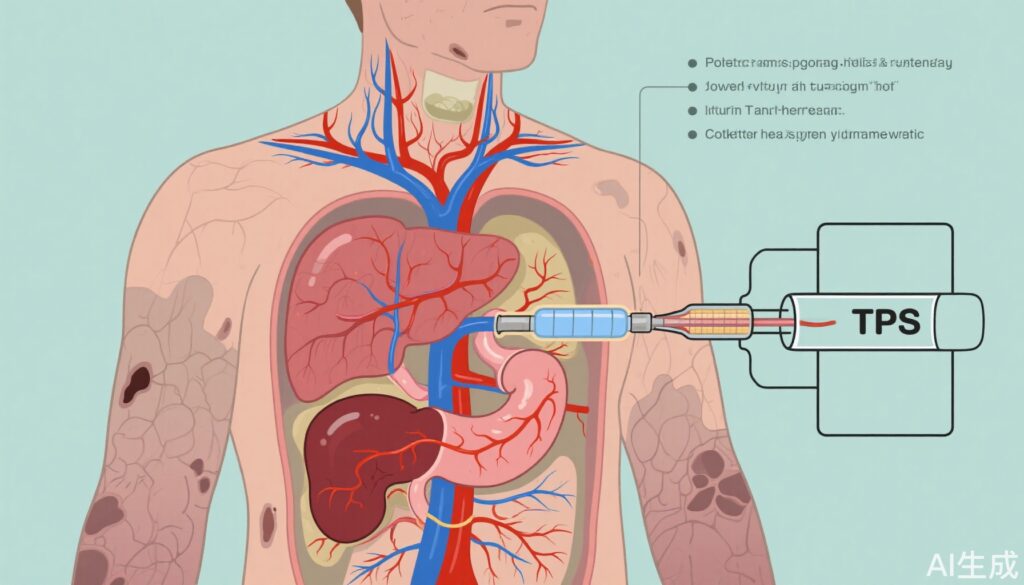
The GAVAPROSEC trial demonstrates that pre-emptive TIPS significantly reduces 1-year mortality and rebleeding in cirrhotic patients with acute fundal gastric variceal bleeding compared to glue obliteration plus NSBB.
The EASE-CD index offers a reliable, validated, and responsive tool for quantifying Crohn's disease ulcer activity in clinical trials and practice, improving upon prior endoscopic indices.
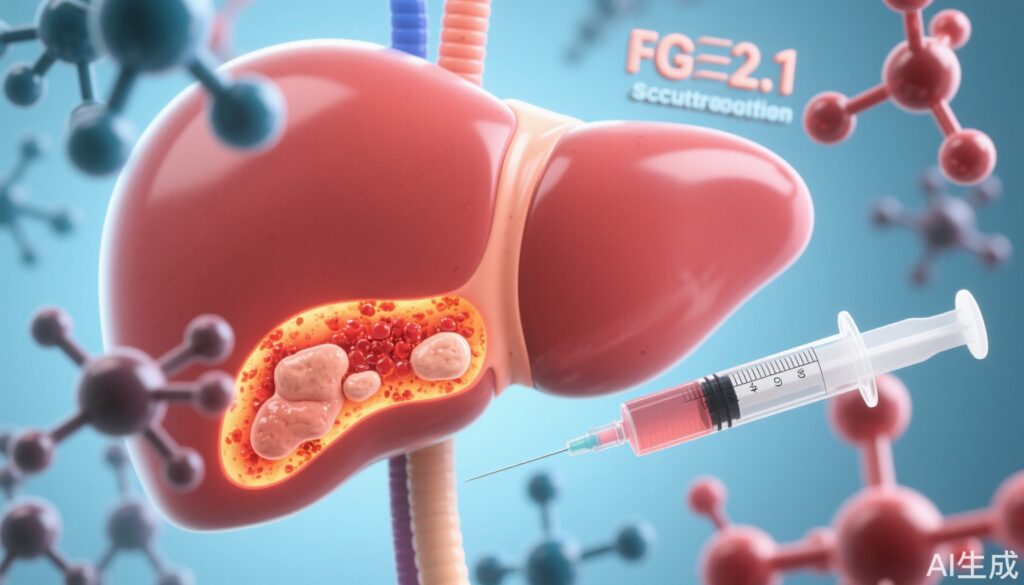
Efimosfermin alfa, a long-acting FGF21 analogue, demonstrated a favorable safety profile and significant reductions in hepatic fat in patients with metabolic dysfunction-associated steatohepatitis (MASH) in a phase 2a randomized controlled trial.
Phase 2 trials show anti-TL1A antibody tulisokibart offers potential efficacy and good tolerability in refractory Crohn’s disease and ulcerative colitis, with ongoing phase 3 studies to confirm findings.
A Taiwanese cohort study reveals higher interval colorectal cancer incidence and mortality after follow-up colonoscopy for positive FIT compared to negative FIT, highlighting risk stratification and adenoma detection rate impact on outcomes.
A phase 2b trial found that efruxifermin did not significantly improve fibrosis at 36 weeks in patients with compensated cirrhosis due to MASH, though longer-term benefit was suggested at 96 weeks.
A randomized trial shows that multidose ondansetron after pediatric ED visits for gastroenteritis reduces moderate-to-severe illness, though impact on vomiting duration and healthcare utilization is limited.