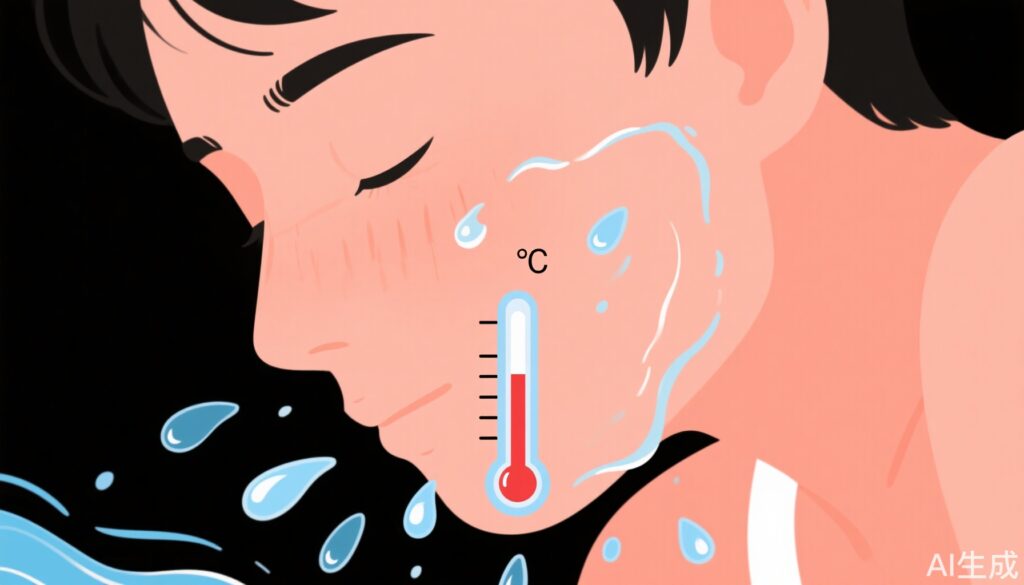
Choosing the right water temperature for washing your face—cold, hot, or warm—depends on your skin type and conditions. Using the appropriate temperature helps maintain skin health and cleanliness.
Oversleeping disrupts natural sleep rhythms, leading to brain fog and fatigue. Maintaining regular sleep patterns and appropriate sleep duration can improve overall health and alertness.
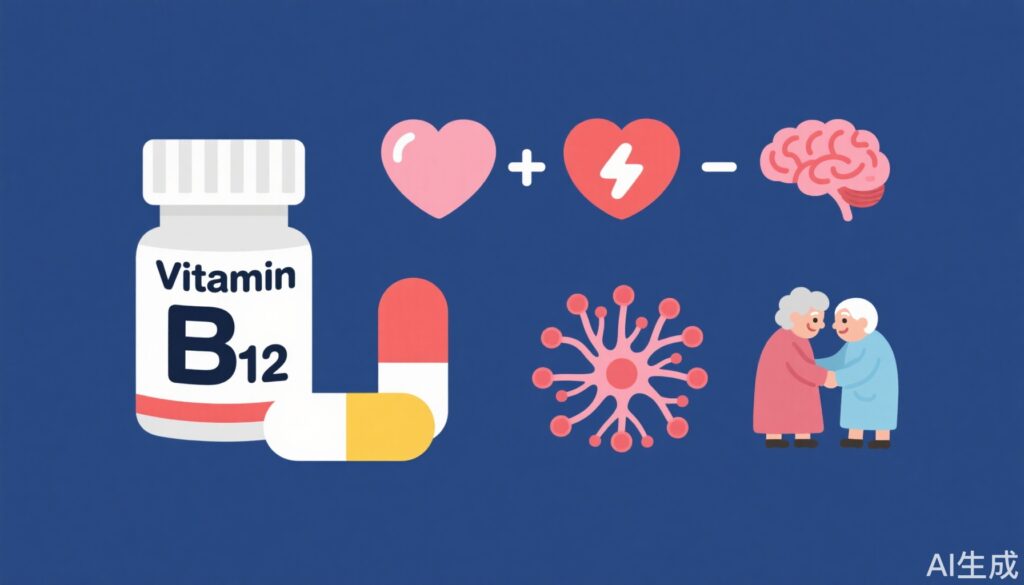
Vitamin B12, an inexpensive supplement, plays a crucial role in health, especially for the elderly, by potentially improving anemia, cognitive decline, cardiovascular risks, and nerve health.
Liver cirrhosis is a serious but potentially manageable condition. Adhering to eight key lifestyle principles focusing on reducing harmful habits can help slow disease progression and improve quality of life.
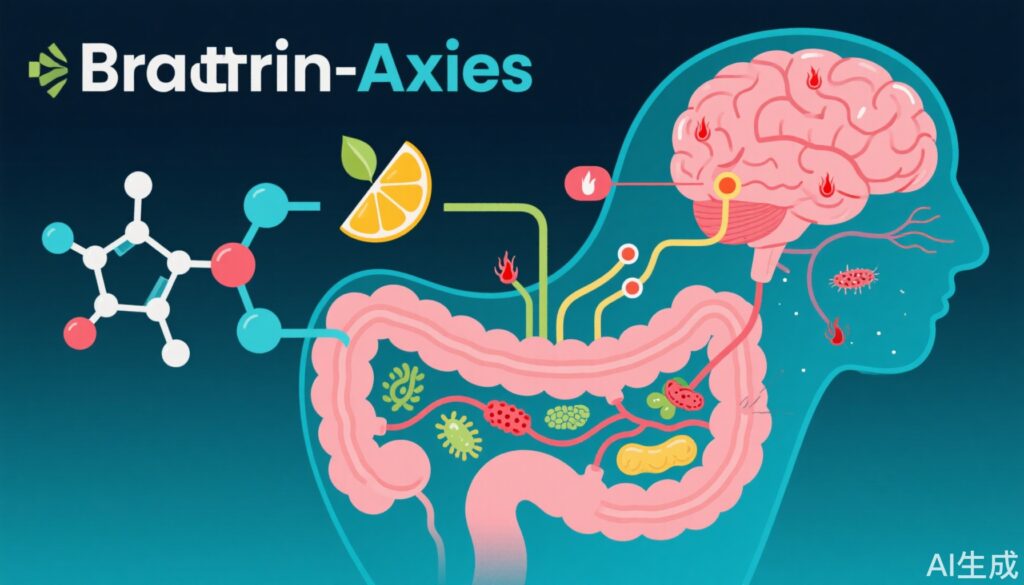
A randomized controlled trial demonstrates that vitamin C supplementation enhances mental vitality in young adults with low vitamin C status, mediated by specific changes in gut microbiota and reduced inflammation.
This review explores vitamin C's potential to protect the heart from doxorubicin-induced damage by reducing oxidative stress and preserving cardiac function, highlighting the need for further clinical studies.
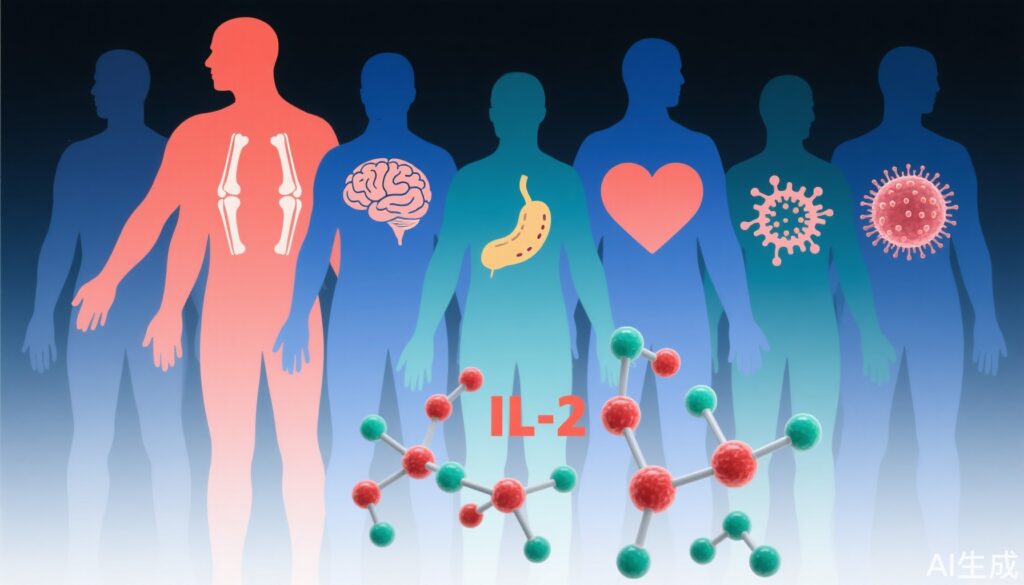
Low-dose IL-2 immunotherapy demonstrates broad, disease-modifying effects by selectively expanding regulatory T cells (Tregs), offering a promising strategy across diverse diseases including autoimmunity, neurodegeneration, metabolic dysfunction, transplantation, and inflammatory disorders.
High-fiber diets and supplements can aid weight management, improve metabolic health, and reduce obesity-related risks by enhancing digestion, promoting satiety, and regulating blood sugar levels.
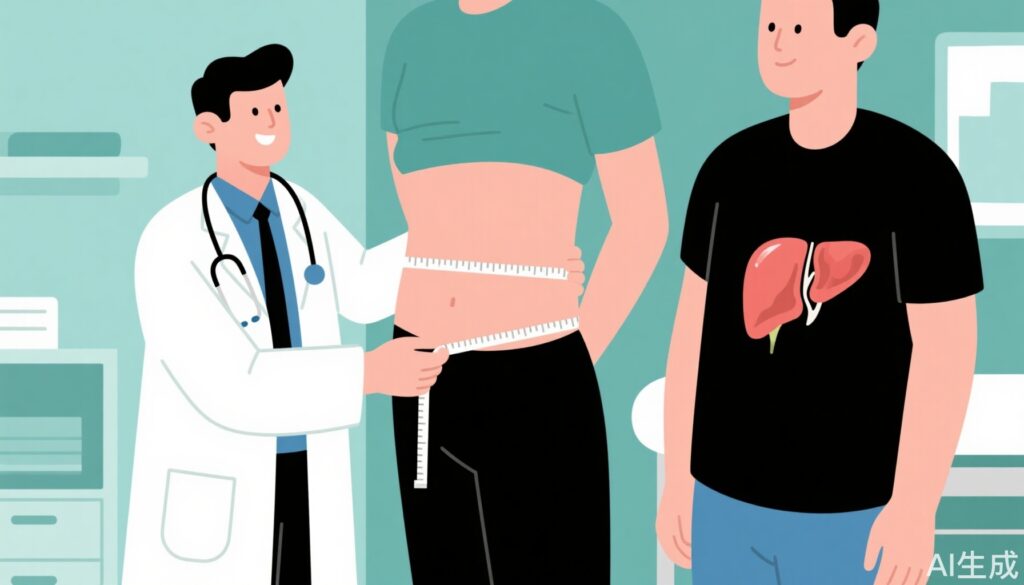
Waist circumference is a superior predictor of metabolic liver diseases, outperforming BMI and other body metrics in assessing MASLD, MASH, and liver stiffness risks.
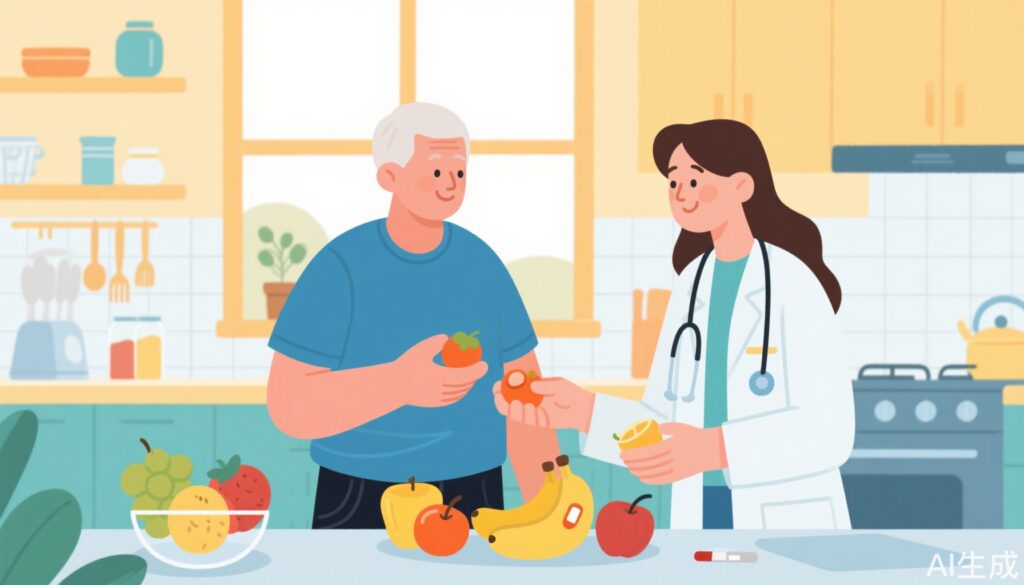
Guidance on fruit consumption for diabetic patients, focusing on fruit types, portion control, timing, and blood sugar monitoring to maintain stable glucose levels.