Frailty Amplifies Mortality Risk Across the PaO2/FiO2 Spectrum: Insights from a 497,185‑Patient ANZICS Cohort

Frailty Amplifies Mortality Risk Across the PaO2/FiO2 Spectrum: Insights from a 497,185‑Patient ANZICS Cohort

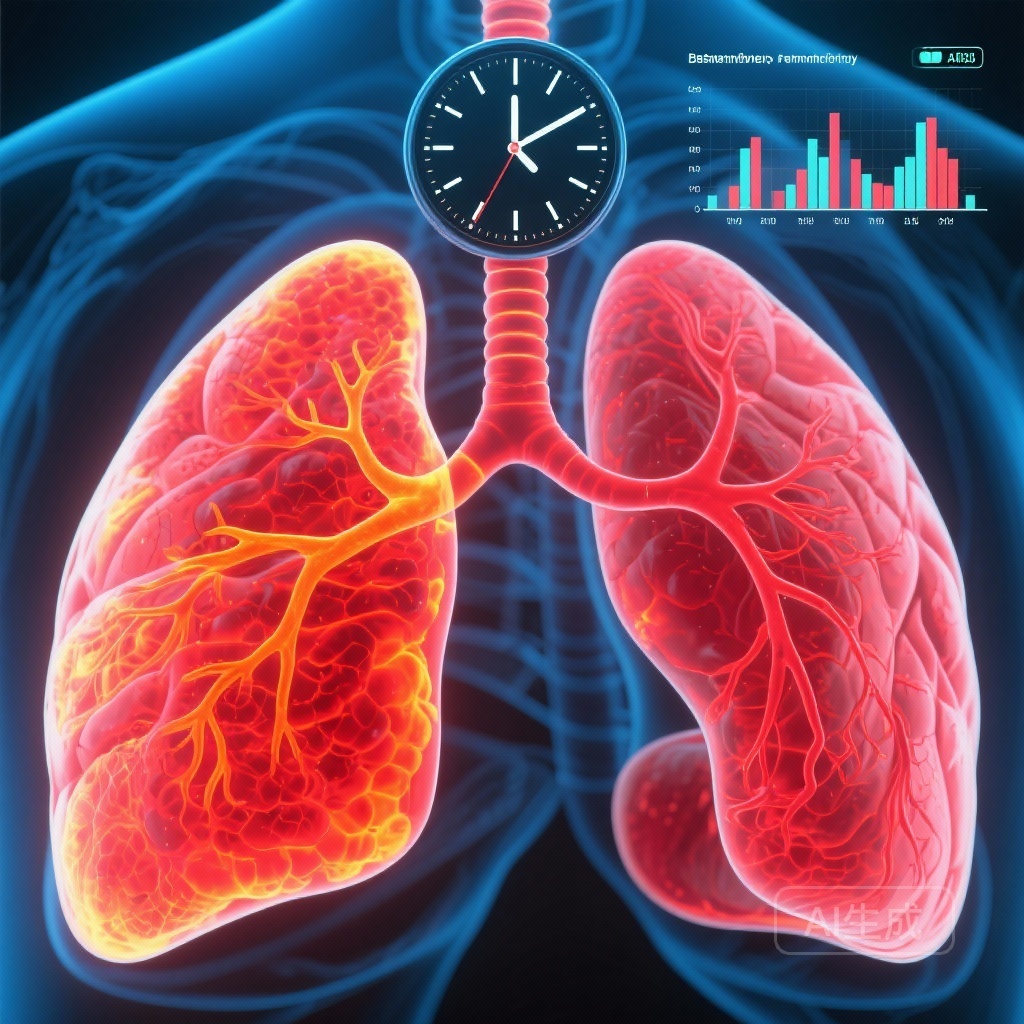
In a 497,185‑patient registry study, frailty (CFS ≥5) was common and associated with substantially higher in‑hospital mortality across all severities of acute hypoxemic respiratory failure (AHRF). The relationship between PaO2/FiO2 and death was nonlinear and distinctly separated by frailty category.
Why Emergency Medicine Residents Rarely Choose Surgical Critical Care — A Nationwide Survey and a Roadmap to Increase EM-SCC Matriculation

Why Emergency Medicine Residents Rarely Choose Surgical Critical Care — A Nationwide Survey and a Roadmap to Increase EM-SCC Matriculation

A national survey of 111 emergency medicine trainees identifies limited exposure to surgical critical care, institutional and geographic factors, and program characteristics (ECMO, multidisciplinary teams) as key modifiable drivers of low EM matriculation into surgical critical care fellowships.
Paracetamol Lowers Cerebral Temperature Modestly but Meaningfully in Febrile Brain‑Injured Patients: Results of the NEUROTHERM Randomized Pharmacodynamic Trial

Paracetamol Lowers Cerebral Temperature Modestly but Meaningfully in Febrile Brain‑Injured Patients: Results of the NEUROTHERM Randomized Pharmacodynamic Trial

In a double‑blind RCT of 99 febrile brain‑injured patients with intracerebral thermal probes, a single IV dose of paracetamol reduced mean cerebral temperature by 0.6°C versus placebo and kept cerebral temperature <38.5°C for a median 3.6 hours; one‑third of patients did not respond.
Nurse-Led Family Communication in the ICU: Modest Gains in Communication Quality and Shorter Hospital Stays — What Works and What We Still Don’t Know

Nurse-Led Family Communication in the ICU: Modest Gains in Communication Quality and Shorter Hospital Stays — What Works and What We Still Don’t Know

A 2025 systematic review of nurse-led ICU family communication interventions found modest improvement in communication quality (SMD 0.26) and reduced hospital LOS (~3.9 days), but limited effects on psychological distress, satisfaction, ICU LOS, or mortality. Heterogeneity in models and implementers limits firm recommendations.
Precision Immunotherapy for Sepsis: ImmunoSep Trial Shows Early Organ‑Function Benefit with Targeted Anakinra or IFN‑γ

Precision Immunotherapy for Sepsis: ImmunoSep Trial Shows Early Organ‑Function Benefit with Targeted Anakinra or IFN‑γ

The ImmunoSep randomized trial found that biomarker-guided immunotherapy (anakinra for macrophage activation‑like syndrome; interferon‑γ for sepsis‑induced immunoparalysis) improved organ dysfunction by day 9 versus placebo, though 28‑day mortality was unchanged. Safety signals require follow‑up.
Immediate Coronary Angiography After Out‑of‑Hospital Cardiac Arrest Without ST Elevation Shows No 1‑Year Survival Benefit — IPD Meta‑Analysis of COACT and TOMAHAWK

Immediate Coronary Angiography After Out‑of‑Hospital Cardiac Arrest Without ST Elevation Shows No 1‑Year Survival Benefit — IPD Meta‑Analysis of COACT and TOMAHAWK

An individual patient data meta‑analysis of COACT and TOMAHAWK (n=1,031) found no 1‑year survival benefit to immediate coronary angiography versus delayed/selective angiography after out‑of‑hospital cardiac arrest (OHCA) without ST‑elevation; no patient subgroup showed a clear differential benefit.
Real-time Sepsis Risk Prediction in Acute Gastrointestinal Bleeding: A Validated Dynamic Monitoring Tool That Improves Early Stratification

Real-time Sepsis Risk Prediction in Acute Gastrointestinal Bleeding: A Validated Dynamic Monitoring Tool That Improves Early Stratification

A multicenter Chinese study developed and validated a real-time nomogram that predicts sepsis in acute gastrointestinal bleeding (AGIB) using clinical and laboratory variables; the tool showed strong discrimination (AUCs 0.827–0.884), good calibration, and an online monitoring platform for dynamic alerts.
Both Too Little and Too Much Respiratory Drive and Effort Predict Worse Outcomes on Mechanical Ventilation: Insights from a Prospective Toronto Cohort

Both Too Little and Too Much Respiratory Drive and Effort Predict Worse Outcomes on Mechanical Ventilation: Insights from a Prospective Toronto Cohort

A prospective registry study found a U-shaped relationship between respiratory drive/effort and ICU outcomes: both low and high drive/effort linked with higher mortality and slower discharge, especially when oxygenation (PaO2:FiO2) ≤150 mmHg; ventilator driving pressure effects were amplified by patient effort.