The Global Challenge: Feeding the Future Without Costing the Earth
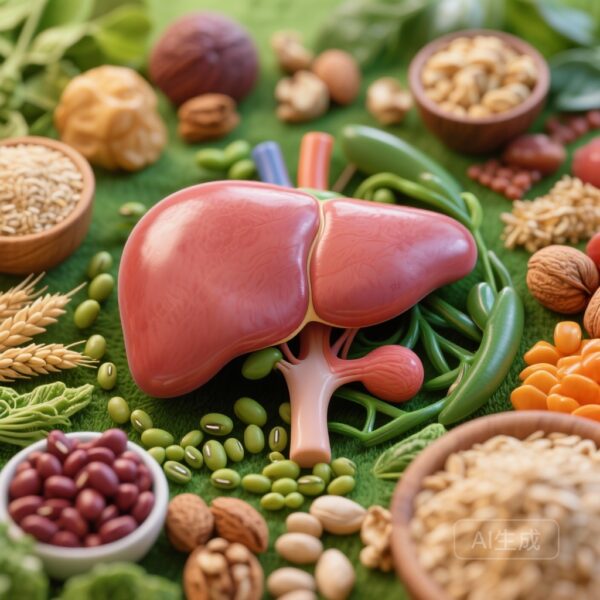
As we face the dual challenges of a growing global population and a changing climate, our dietary choices have moved to the center of scientific and public debate. In 2019, the EAT-Lancet Commission introduced the Planetary Health Diet (PHD), a global reference diet designed to feed nearly 10 billion people within planetary boundaries. This diet emphasizes a high intake of plant-based foods—such as fruits, vegetables, whole grains, legumes, and nuts—while significantly limiting red meat, sugar, and refined grains.
While the PHD has been lauded as a roadmap for environmental sustainability, a critical question remained: Is it safe for children? Unlike adults, children are in a constant state of rapid physiological growth. They require high densities of specific micronutrients to support brain development, bone mineralization, and immune function. Recently, researchers have introduced the Planetary Health Diet Index for Children (PHDI-C) to better capture whether this sustainable way of eating meets the unique needs of the pediatric population.