Highlights
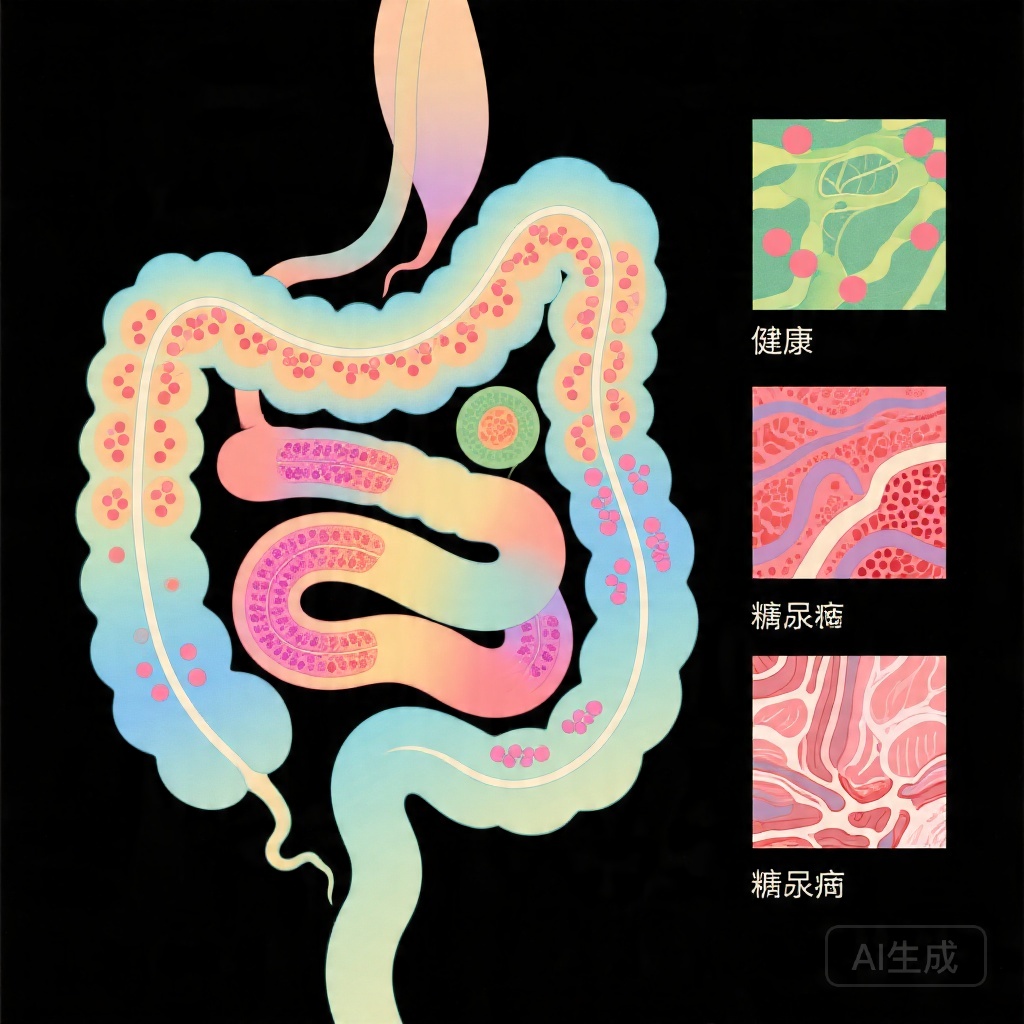
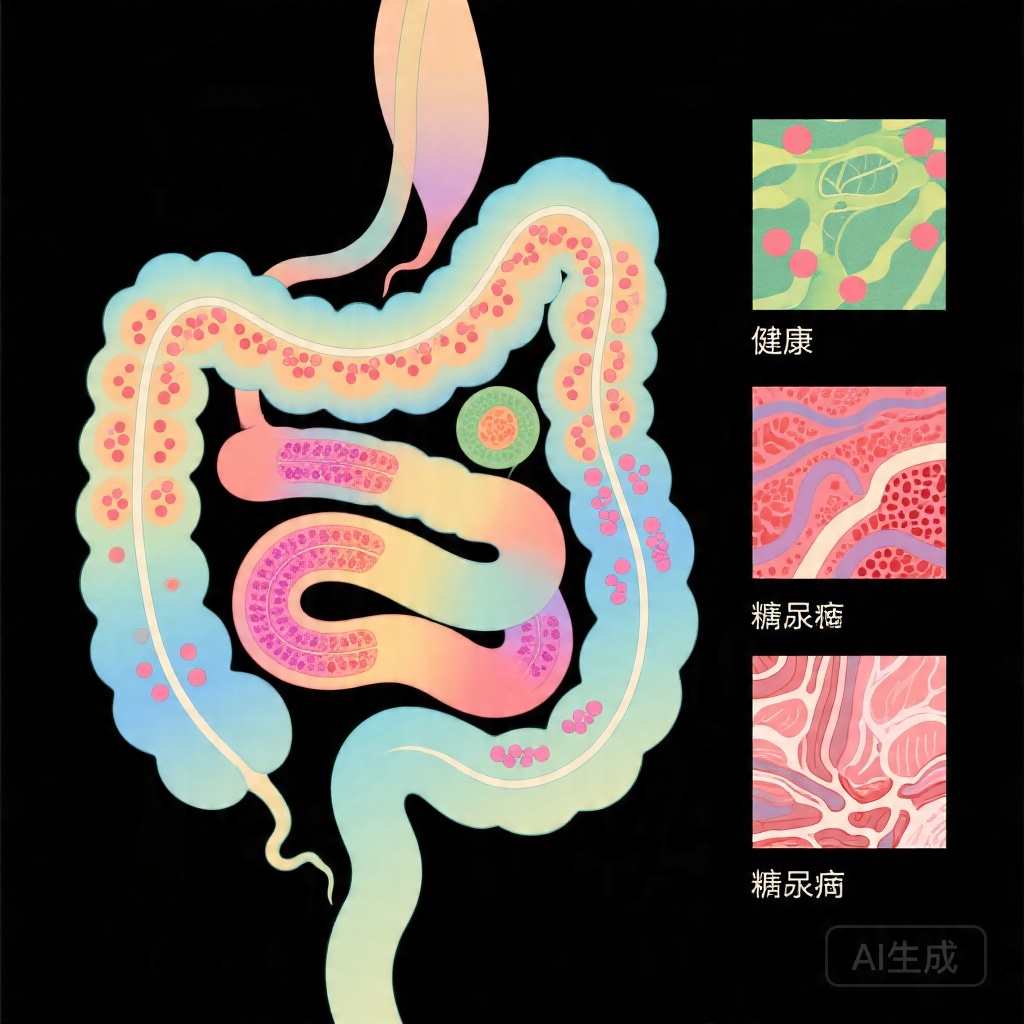
Somatostatin-positive cells are abundant throughout the intestinal tract, with highest density in proximal small intestine and rectum.
SSTR1 mRNA shows decreasing expression along the small intestine, while SSTR2-5 show minimal expression and SSTR4 is undetectable.
No significant differences were found between healthy individuals and type 2 diabetes patients in somatostatin distribution or receptor expression.
Background
Somatostatin is a peptide hormone with widespread inhibitory effects on endocrine and exocrine secretion, produced by δ-cells in pancreatic islets and scattered throughout the gastrointestinal tract. While its role in pancreatic function is well-established, its distribution and potential involvement in type 2 diabetes pathophysiology remains unclear. Previous studies have suggested alterations in intestinal hormone profiles in type 2 diabetes, making this systematic mapping of somatostatin and its receptors particularly valuable for understanding gut-pancreas interactions.
Study Design
This rigorous anatomical study examined 24 participants (12 with type 2 diabetes, 12 matched controls) through meticulous sampling of the entire intestinal tract. Using double-balloon enteroscopy, researchers collected mucosal biopsies at 30 cm intervals throughout the small intestine and from 7 defined regions including duodenum, Treitz ligament, ileocecal transition, and large intestine. Samples underwent immunohistochemistry for somatostatin detection and mRNA sequencing for somatostatin and all five receptor subtypes (SSTR1-5). The matched design controlled for age and BMI, key potential confounders in metabolic studies.
Key Findings
Somatostatin Distribution
Somatostatin-positive cells were found along the entire intestinal tract in both groups, with highest density in the proximal small intestine and rectum. This pattern closely mirrored somatostatin mRNA expression levels, showing remarkable consistency between protein and transcript detection methods.
Receptor Expression Patterns
SSTR1 emerged as the dominantly expressed receptor subtype, showing decreasing mRNA levels along the small intestine with uniformly low expression in the large intestine. In contrast, SSTR2, SSTR3, and SSTR5 showed only trace-level mRNA expression throughout all regions, while SSTR4 mRNA was completely undetectable. This hierarchy of receptor expression suggests SSTR1 may mediate most intestinal somatostatin actions.
Diabetes-Specific Analysis
Contrary to the study’s hypothesis, no significant differences were found between diabetic and non-diabetic participants in either somatostatin-positive cell density or receptor mRNA expression at any intestinal location. This null finding challenges previous suggestions that altered intestinal somatostatin signaling contributes to type 2 diabetes pathophysiology.
Expert Commentary
The comprehensive mapping provides important baseline data for future studies of intestinal endocrinology. The lack of diabetes-specific differences suggests that if somatostatin plays a role in diabetes, it may involve altered sensitivity to existing somatostatin rather than changes in its production or receptor expression. The SSTR1 dominance implies that receptor-specific somatostatin analogs might offer more targeted therapeutic effects than the non-selective analogs currently used clinically.
Study limitations include the relatively small sample size and focus on mRNA rather than protein levels for receptors. Future studies could explore whether diabetes affects receptor activation or downstream signaling despite similar expression levels.
Conclusion
This first comprehensive mapping of intestinal somatostatin systems reveals surprisingly consistent patterns across intestinal regions and between diabetic and non-diabetic individuals. The findings question the hypothesis that altered intestinal somatostatin signaling contributes to type 2 diabetes development, while providing valuable reference data for understanding gut hormone physiology and developing gut-targeted therapies.
Funding and Registration
The study was supported by grants from the Novo Nordisk Foundation and the Danish Diabetes Academy. No clinical trial registration number was provided as this was an anatomical mapping study rather than an intervention trial.
References
Nielsen SW, Gilliam-Vigh H, Jorsal T, et al. Distribution of Somatostatin and Its Receptors in the Intestinal Tract in Healthy Patients and Patients with Type 2 Diabetes. J Clin Endocrinol Metab. 2026;111(5):e1252-e1262. PMID: 41379811.