The phase 2 NOVA1 trial demonstrates that LB-102 significantly improves acute schizophrenia symptoms with a favorable safety profile, supporting its potential as a novel treatment option.
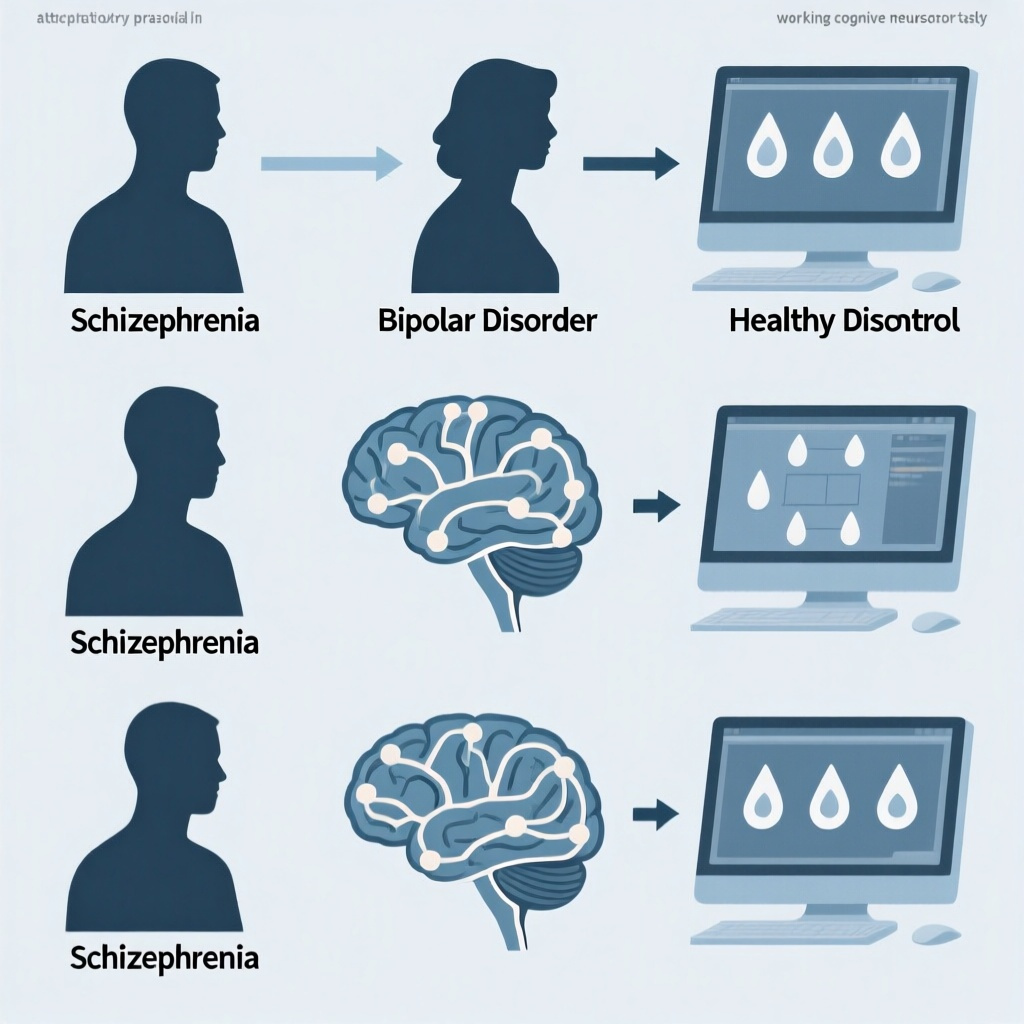
A multisite case-control study found repulsive serial bias in schizophrenia, attractive bias in healthy controls, and mixed patterns in bipolar disorder, supporting serial dependence as a potential cognitive biomarker across the psychosis spectrum.
A large Japanese study found that people with schizophrenia spectrum disorders were less likely to receive several standard treatments for non-small cell lung cancer, underscoring a persistent and preventable gap in cancer care.
In a 30-week randomized trial, semaglutide improved insulin sensitivity, reduced insulin resistance, lowered fasting glucose, and produced substantial weight loss in patients with schizophrenia and prediabetes taking second-generation antipsychotics.
A multimodal translational study links genetically driven synaptic deficits in patient-derived neurons to cortical structure, electrophysiology, and cognition in schizophrenia, supporting biologically informed stratification of cognitive impairment.
This landmark network meta-analysis of 438 RCTs evaluates 24 antipsychotics, revealing clozapine as the most effective while highlighting the novel muscarinic agonist xanomeline-trospium. The study emphasizes clinically relevant efficacy differences and a shifting tolerability landscape, advocating for more individualized, evidence-based treatment strategies in acute schizophrenia management.

A landmark network meta-
**Developing Article Components**
I'm now diving deep into the content, focusing on fleshing out each section. The Highlight section's first drafts are complete. I'm incorporating the study's key findings on drug efficacy rankings, and the unique safety profile of Xanomeline-Trospium. I'm simultaneously drafting the study design, and drafting the background section, and I am ensuring a clear comparison of the two, while keeping the technical details accurate.
analysis of 438 RCTs reveals significant efficacy differences among antipsychotics and highlights the unique clinical profile of the first-in-class muscarinic agonist, xanomeline-trospium, relative to traditional antidopaminergic agents.
A landmark RCT demonstrates that adjunctive semaglutide significantly improves glycemic control and induces substantial weight loss in individuals with schizophrenia spectrum disorders treated with second-generation antipsychotics, potentially closing the mortality gap in this high-risk population.
A comprehensive meta-analysis in JAMA Psychiatry reveals that current psychosocial interventions for schizophrenia and co-occurring substance use disorders offer negligible impact on symptoms and no significant effect on substance use reduction, with the notable exception of nicotine cessation strategies.
A cross-sectional study of never-medicated individuals reveals that elevated medial prefrontal cortex glutamate levels are specific to the first episode of psychosis and correlate with cognitive deficits, suggesting a critical window for glutamatergic interventions before illness chronicity.
A comprehensive meta-analysis involving over 10,000 patients reveals that processing speed impairment is a profound and central deficit in schizophrenia, showing an effect size of -1.52 and playing a critical role in overall cognitive dysfunction and functional outcomes.
Three multinational phase 3 trials found no clinically meaningful cognitive benefit of the GlyT1 inhibitor iclepertin versus placebo in schizophrenia, though the drug was well tolerated. Results highlight methodological and biological challenges in developing treatments for cognitive impairment associated with schizophrenia.
This study reveals that lower brain iron levels in the substantia nigra-ventral tegmental area are associated with elevated striatal dopamine synthesis in schizophrenia, highlighting a potential new target for therapeutic intervention.
This study reveals reduced brain iron in the substantia nigra-ventral tegmental area correlating with increased striatal dopamine synthesis in schizophrenia, suggesting novel neurobiological mechanisms and potential therapeutic targets.
An international expert consensus offers standardized, operational criteria for defining relapse in schizophrenia to reduce study heterogeneity, improve research comparability, and guide clinical reporting.
A multicenter randomized trial comparing seven antipsychotics in acute schizophrenia shows olanzapine and risperidone outperform several agents in efficacy but differ markedly in side effects, clarifying treatment choices.
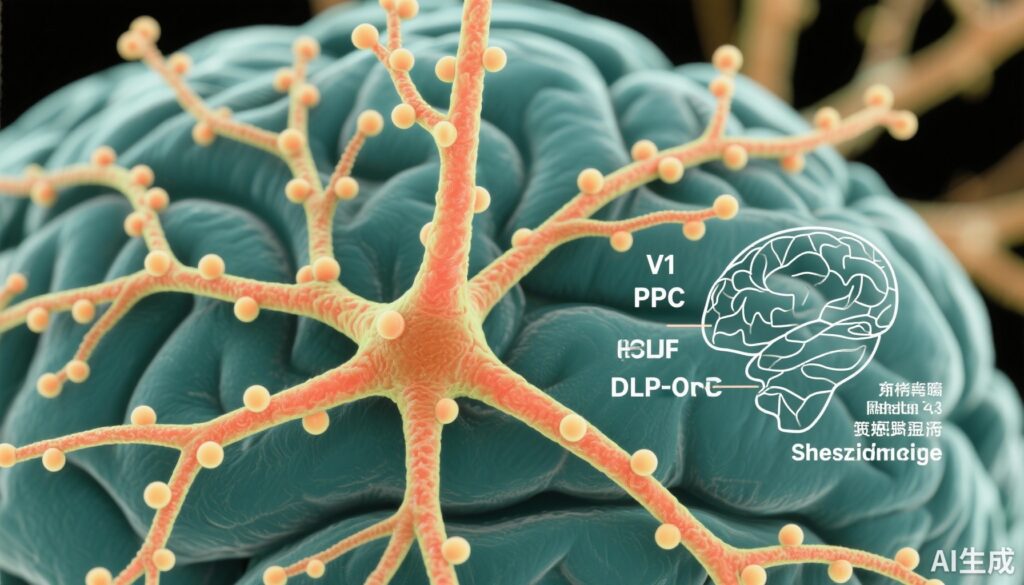
This study reveals region- and size-specific dendritic spine deficits in cortical layer 3 neurons of schizophrenia patients, highlighting differential synaptic disruptions across visual and prefrontal cortical areas underpinning cognitive deficits.
The HISTORI trial demonstrates that semaglutide significantly improves glycemic control, reduces weight, and enhances physical quality of life in schizophrenia patients treated with second-generation antipsychotics, without worsening psychiatric symptoms.
This study compares long-acting injectable to oral antipsychotics in older schizophrenia patients, highlighting benefits in relapse prevention and mortality reduction, with specific considerations for adverse effects.