Skip to content
medxy logo Medxy AI
  • Specialties
    • Allergy & Immunology
    • Anesthesiology
    • Cardiology
    • Critical Care
    • Dermatology
    • Diabetes & Endocrinology
    • Emergency Medicine
    • Family Medicine & Nutrition
    • Gastroenterology
    • General Surgery
    • Hematology-Oncology
    • HIV/AIDS
    • Infectious Diseases
    • Internal Medicine
    • Nephrology
    • Neurology
    • Nursing & care
    • OB/GYN & Women’s Health
    • Oncology
    • Ophthalmology
    • Orthopedics
    • Otorhinolaryngology
    • Pathology & Lab Medicine
    • Pediatrics
    • Plastic Surgery
    • Psychiatry
    • Public Health
    • Radiology
    • Respiratory
    • Rheumatology
    • Urology
  • Clinical Updates
  • Medical News
  • iDoctor
  • Specialties
    • Allergy & Immunology
    • Anesthesiology
    • Cardiology
    • Critical Care
    • Dermatology
    • Diabetes & Endocrinology
    • Emergency Medicine
    • Family Medicine & Nutrition
    • Gastroenterology
    • General Surgery
    • Hematology-Oncology
    • HIV/AIDS
    • Infectious Diseases
    • Internal Medicine
    • Nephrology
    • Neurology
    • Nursing & care
    • OB/GYN & Women’s Health
    • Oncology
    • Ophthalmology
    • Orthopedics
    • Otorhinolaryngology
    • Pathology & Lab Medicine
    • Pediatrics
    • Plastic Surgery
    • Psychiatry
    • Public Health
    • Radiology
    • Respiratory
    • Rheumatology
    • Urology
  • Clinical Updates
  • Medical News
  • iDoctor
  • facebook.com
  • twitter.com
  • t.me
  • instagram.com
  • youtube.com
Subscribe

otolaryngology

  • Home
  • otolaryngology
Digital Vestibular Rehabilitation After Acute Vertigo: What a Negative Superiority Trial Means
Posted inClinical Updates news Otorhinolaryngology

Digital Vestibular Rehabilitation After Acute Vertigo: What a Negative Superiority Trial Means

Posted by MedXY By MedXY 06/16/2026
A 2026 PLOS One superiority trial found that internet-based vestibular rehabilitation was not superior to structured written instructions after acute vertigo. The result is clinically useful because the comparator was active, adherence was high, and safety was reassuring.
Read More
Ergonomic Strain Is Common in Otolaryngology Surgery, With Pain Rising as Cases Become More Difficult and Prolonged
Posted innews Otorhinolaryngology Public Health

Ergonomic Strain Is Common in Otolaryngology Surgery, With Pain Rising as Cases Become More Difficult and Prolonged

Posted by MedXY By MedXY 05/04/2026
A prospective study found frequent medium-to-high ergonomic risk and measurable postoperative pain among otolaryngology surgeons, highlighting modifiable occupational hazards in routine head and neck surgery.
Read More
Deep Learning in Otolaryngology: Promises, Performance, and Pathways to Clinical Use
Posted inAI news Otorhinolaryngology

Deep Learning in Otolaryngology: Promises, Performance, and Pathways to Clinical Use

Posted by MedXY By MedXY 11/19/2025
This critical synthesis of a 2020–2025 narrative review (327 DL studies) evaluates deep learning (DL) applications across diagnosis, prognosis, segmentation, and emerging intraoperative uses in otolaryngology and outlines practical steps for safe, equitable implementation.
Read More
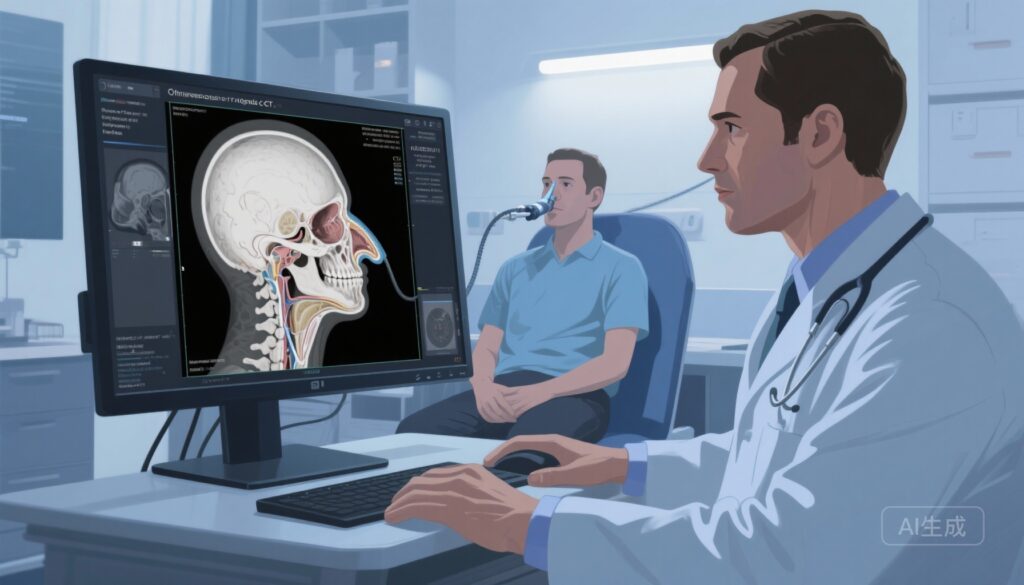
Preoperative CT Before Balloon Sinus Dilation: Most Comply — But One-Third of Surgeons Perform Procedures Without Recent Imaging
Posted innews Otorhinolaryngology Radiology

Preoperative CT Before Balloon Sinus Dilation: Most Comply — But One-Third of Surgeons Perform Procedures Without Recent Imaging

Posted by MedXY By MedXY 11/19/2025
A Medicare claims analysis found that 15% of balloon sinus dilation (BSD) procedures lacked a CT within one year; 31.8% of otolaryngologists were outliers, with a small subset accounting for the majority of missed imaging—highlighting gaps in adherence to imaging standards.
Read More
Preoperative CT Was Missing in 15% of Balloon Sinus Dilations — Medicare Claims Reveal a Clinically Significant Practice Gap
Posted inGeneral Surgery news Otorhinolaryngology Public Health

Preoperative CT Was Missing in 15% of Balloon Sinus Dilations — Medicare Claims Reveal a Clinically Significant Practice Gap

Posted by MedXY By MedXY 11/18/2025
A Medicare claims study of 19,692 balloon sinus dilations found 15% lacked a CT within one year; 31.8% of otolaryngologists were outliers, with a small group accounting for most missed imaging, highlighting gaps in adherence to preoperative standards.
Read More
  • Advancing Early Detection of Nasopharyngeal Carcinoma: Evaluating the Novel Anti-BNLF2b Antibody Test
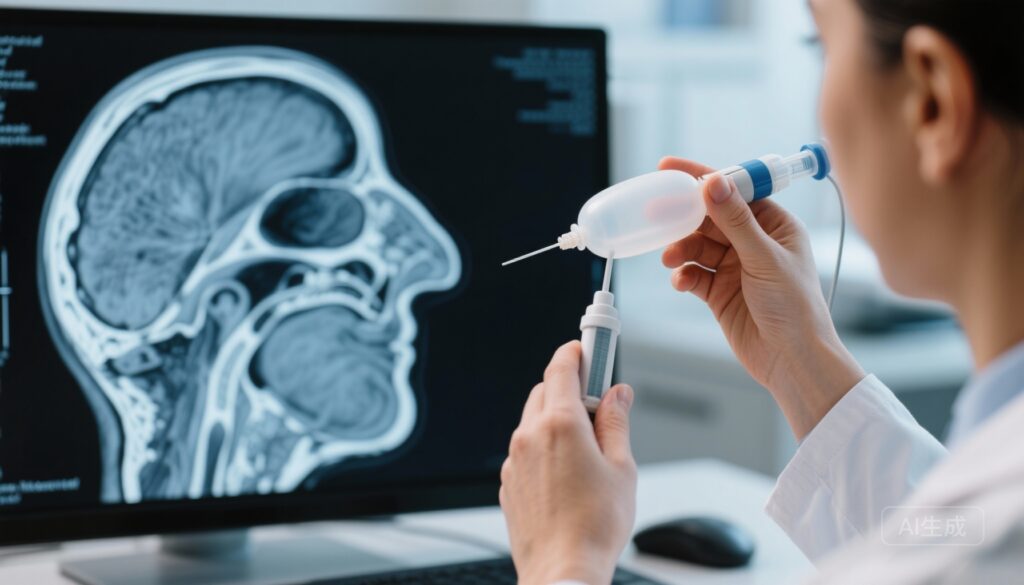
  • Innovative Orocannula: A 3D-Printed Transoral Device for Safe Respiratory Monitoring During Sedation
  • Sustained Quality of Life After Pancreatic Surgery for IPMNs in Young Patients: Long-Term Data and Clinical Implications
  • Single-Encounter Augmented Reality-Guided Localization Enhances Early-Stage Lung Cancer Resection: Review of a Pivotal Randomized Clinical Trial
  • Refining Pancreatic Cystic Neoplasm Assessment: The Incremental Role of Endoscopic Ultrasound and Fine Needle Aspiration
  • About us
  • Contact us
  • MedXY story
  • Privacy Policy
  • Subscribe Now!
  • 账号

  • English
  • 日本語
  • Tiếng Việt
  • 中文

Alzheimer's disease artificial intelligence atrial fibrillation biomarkers breast cancer Cardiology cardiovascular disease cardiovascular risk chronic kidney disease clinical trial clinical trials critical care diabetes epidemiology health heart failure Hypertension immunotherapy inflammation MASLD mental health metformin Mortality myocardial infarction nutrition obesity older adults oncology Pediatrics precision medicine Pregnancy prostate cancer public health quality of life randomized clinical trial randomized controlled trial randomized trial risk stratification SGLT2 inhibitors stroke targeted therapy type 1 diabetes type 2 diabetes weight loss women's health

Your health, we care

Copyright 2026 — Medxy AI. All rights reserved.
Scroll to Top
Sign in