Exercise Unmasks Multi-Organ Deficits That Predict Heart Failure Risk: Metabolite Signatures Reveal Shared Pathways Across HFpEF and Its Comorbidities

Exercise Unmasks Multi-Organ Deficits That Predict Heart Failure Risk: Metabolite Signatures Reveal Shared Pathways Across HFpEF and Its Comorbidities

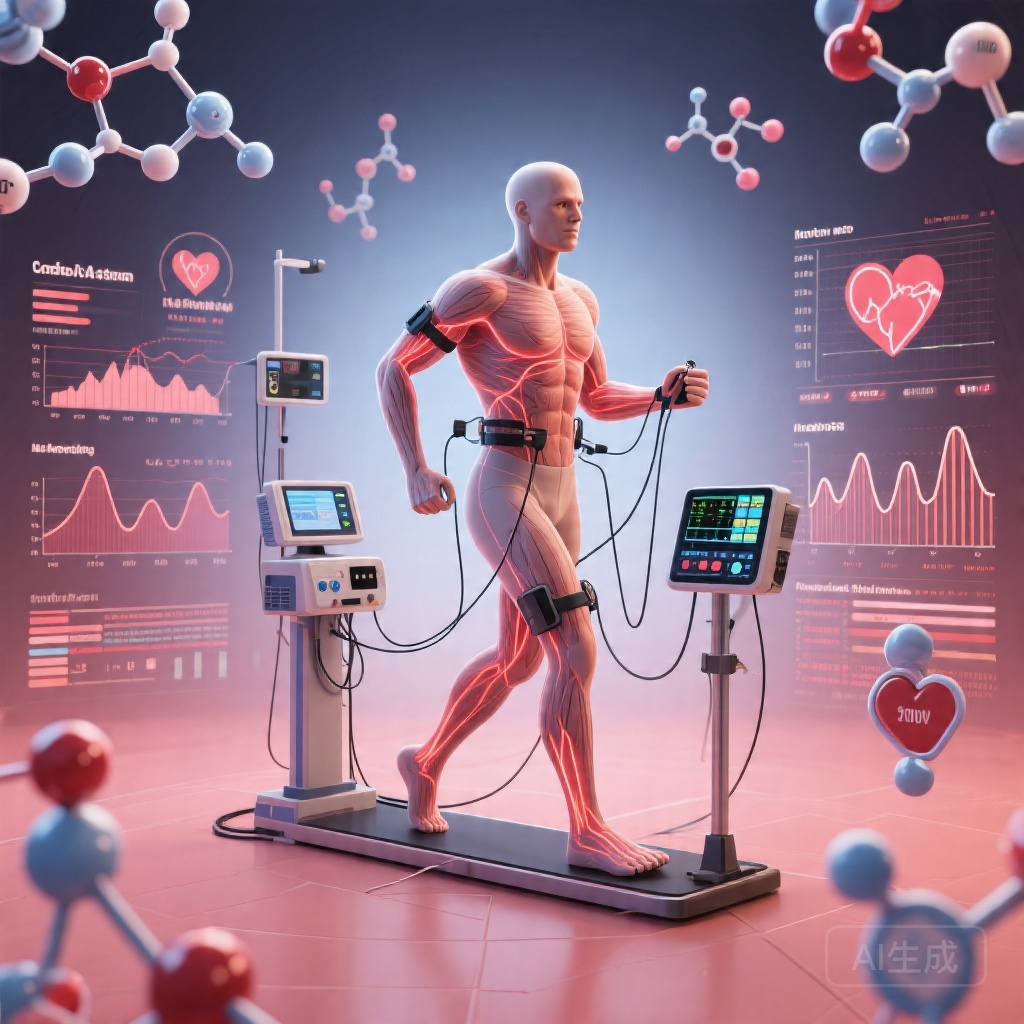
A landmark study reveals that exercise-induced multi-organ physiologic deficits strongly predict incident heart failure with preserved ejection fraction (HFpEF). Using invasive cardiopulmonary testing, metabolomics, and genomics across over 6,000 individuals, researchers identified seven distinct exercise deficits that, when combined, confer nearly 4-fold higher cardiovascular risk and implicate shared metabolic pathways with obesity, diabetes, and renal disease.
N-Palmitoyl Glutamine: A Novel Molecular Link Between Exercise, Mitochondrial Efficiency, and Human Longevity

N-Palmitoyl Glutamine: A Novel Molecular Link Between Exercise, Mitochondrial Efficiency, and Human Longevity

A groundbreaking study identifies N-palmitoyl glutamine (NPG) as a key molecular transducer of cardiorespiratory fitness. NPG correlates with VO2max, increases with exercise training, predicts lower mortality, and directly enhances mitochondrial function, offering a potential therapeutic target for cardiometabolic health.
Personalized Anti-Inflammatory Diet Modulates Gut Microbiome and Metabolome to Alleviate Osteoarthritis Pain

Personalized Anti-Inflammatory Diet Modulates Gut Microbiome and Metabolome to Alleviate Osteoarthritis Pain

A 4-week anti-inflammatory dietary intervention in knee osteoarthritis patients led to targeted shifts in gut microbiota and metabolite profiles associated with significant pain reduction, highlighting the potential of microbiome-informed nutritional strategies for OA management.