Complement deposition on platelets identifies a biologically distinct subset of adult ITP associated with higher platelet turnover and more first-line treatment refractoriness.
A French study reveals African ancestry significantly increases relapse risk in iTTP patients treated with rituximab. Key risk factors include male sex and prior relapses, with implications for personalized monitoring strategies.
This review synthesizes the ASC4OPT trial results alongside pivotal evidence from the ASCEMBL and ASC4FIRST studies, evaluating the role of the STAMP inhibitor asciminib in chronic myeloid leukemia across multiple treatment lines.
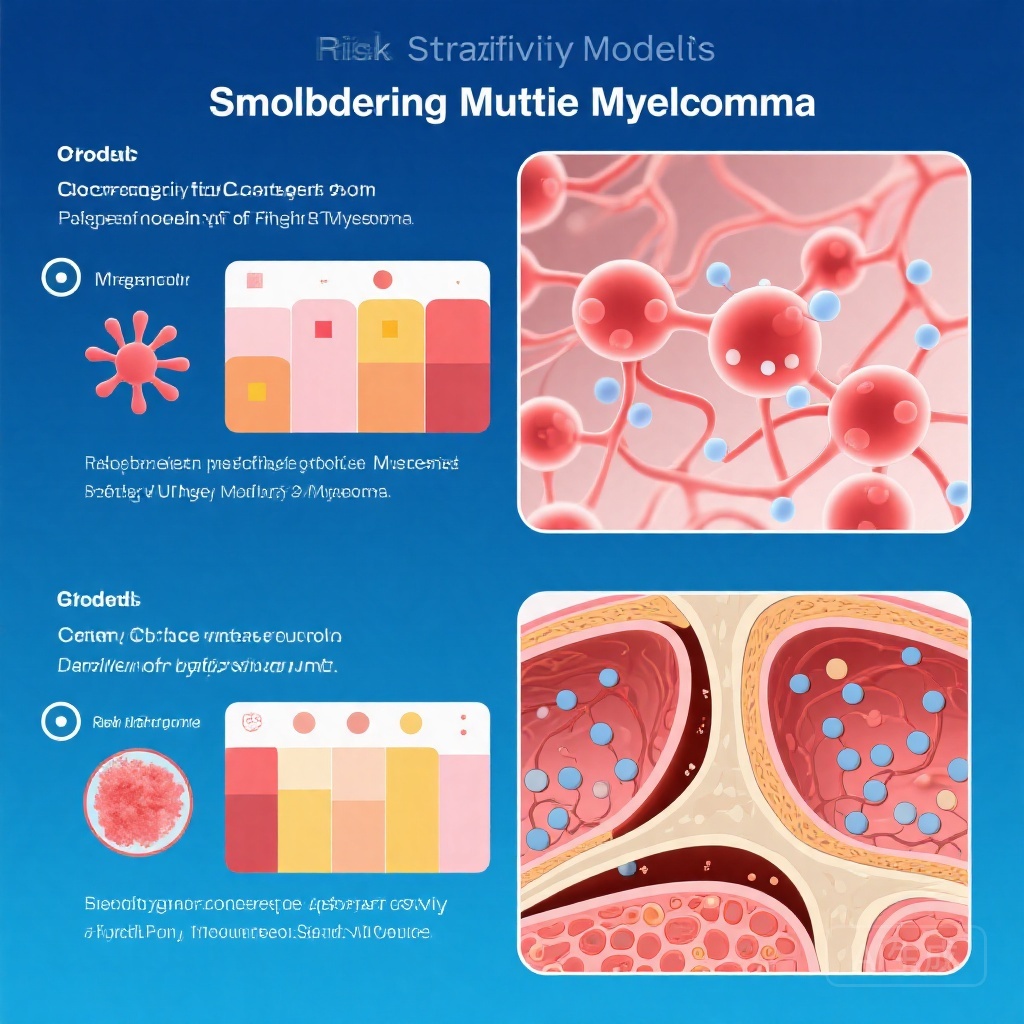
The 2/20/20 risk stratification model identifies a smaller, truly high-risk SMM group with higher progression rates than the AQUILA trial criteria, suggesting better targeting for early intervention.
A study of 48 patients with R/R AML treated with revumenib revealed that 52% experienced dynamic immunophenotypic changes. Achieving MRD-negative morphologic remission significantly improved overall survival, highlighting the necessity for specialized flow cytometry monitoring during menin inhibitor therapy.
This study identifies late-onset sex chromosome loss as a critical biomarker for predicting relapse and survival outcomes in patients following sex-mismatched stem cell transplantation.
This clinical review evaluates the superior efficacy of intravenous ferumoxytol over oral iron for treating gestational anemia, analyzing hematologic recovery and maternal outcomes based on the latest RCT evidence.
This review examines the impact of myeloproliferative control on survival in advanced CMML, highlighting the prognostic value of stringent cytoreduction and novel flow cytometric biomarkers such as classical monocytes and immature granulocytes.
MDS and CMML can present with lupuslike manifestations that represent a distinct entity of clonal inflammation rather than idiopathic autoimmunity. This study highlights the need for clone-directed therapies over standard lupus treatments.
The DALI cohort study reveals that while current DOAC interruption protocols are generally effective, 13.1% of apixaban users maintain levels ≥30 ng/mL before surgery. However, these residual levels did not correlate with increased surgical blood loss, suggesting other factors drive perioperative bleeding.
A groundbreaking study shows that CD19 CAR T-cell therapy can induce sustained, drug-free remission in patients with severe, multirefractory autoimmune hemolytic anemia by successfully eliminating the autoreactive B-cells that drive the disease.
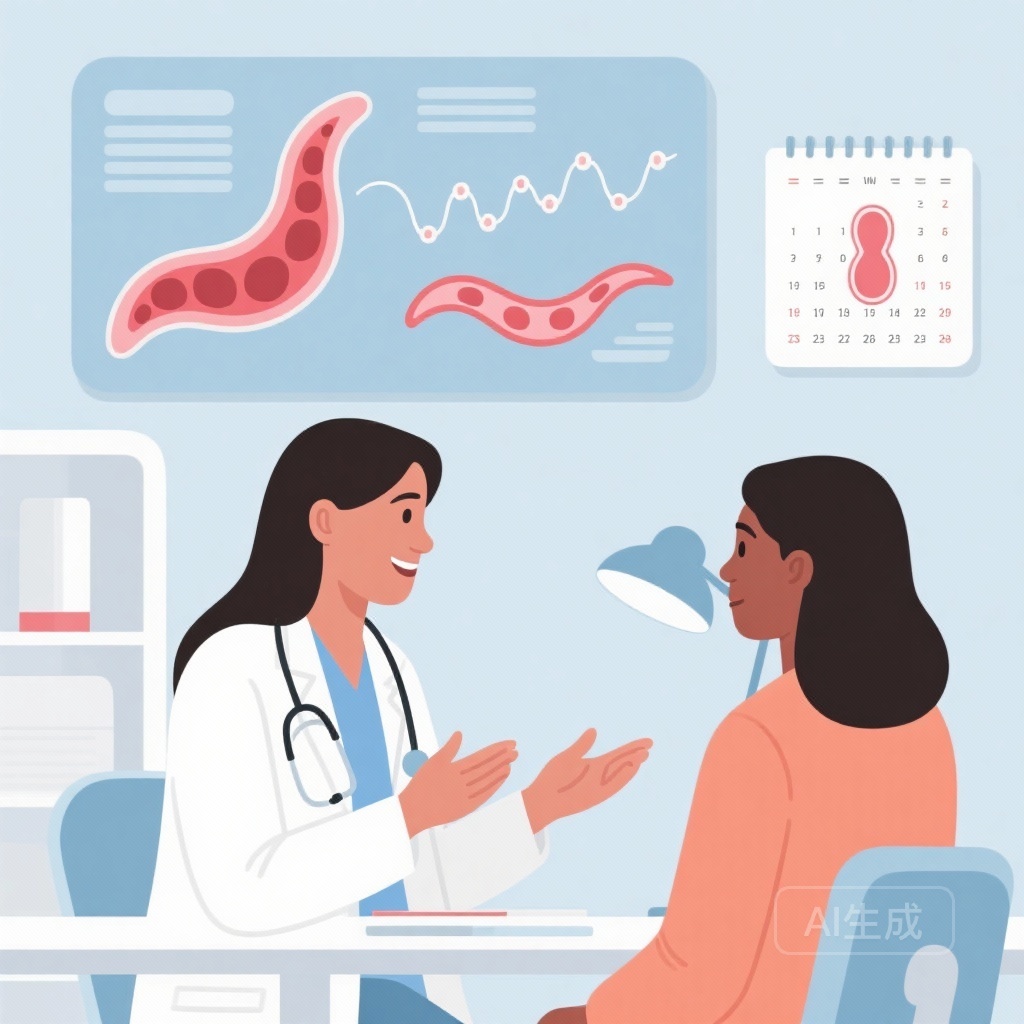
A multicenter study reveals that menstrual pain and abnormal uterine bleeding are highly prevalent in women with sickle cell disease and are linked to increased hospitalizations. Low awareness of hormonal therapies highlights a critical gap in interdisciplinary care and reproductive health management.
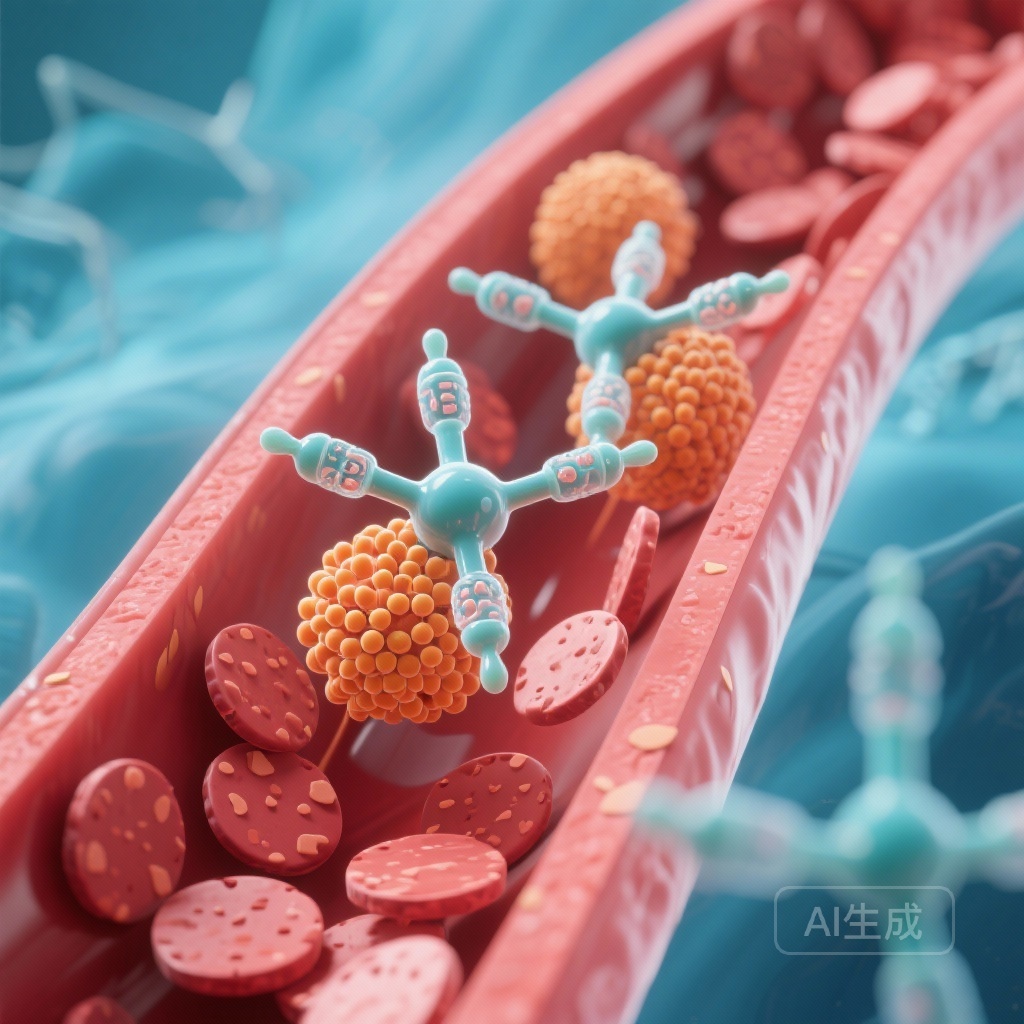
The VAYHIT2 Phase 3 trial demonstrates that adding the BAFF-R monoclonal antibody ianalumab to eltrombopag significantly extends treatment-free intervals and improves stable response rates in patients with relapsed or refractory immune thrombocytopenia (ITP) compared to eltrombopag alone.
The Phase 3 VAYHIT2 trial reveals that combining ianalumab with eltrombopag significantly extends freedom from treatment failure and increases stable response rates in patients with second-line immune thrombocytopenia, potentially offering a route toward sustained, treatment-free remission.