Skip to content
medxy logo Medxy AI
  • Specialties
    • Allergy & Immunology
    • Anesthesiology
    • Cardiology
    • Critical Care
    • Dermatology
    • Diabetes & Endocrinology
    • Emergency Medicine
    • Family Medicine & Nutrition
    • Gastroenterology
    • General Surgery
    • Hematology-Oncology
    • HIV/AIDS
    • Infectious Diseases
    • Internal Medicine
    • Nephrology
    • Neurology
    • Nursing & care
    • OB/GYN & Women’s Health
    • Oncology
    • Ophthalmology
    • Orthopedics
    • Otorhinolaryngology
    • Pathology & Lab Medicine
    • Pediatrics
    • Plastic Surgery
    • Psychiatry
    • Public Health
    • Radiology
    • Respiratory
    • Rheumatology
    • Urology
  • Clinical Updates
  • Medical News
  • iDoctor
  • Specialties
    • Allergy & Immunology
    • Anesthesiology
    • Cardiology
    • Critical Care
    • Dermatology
    • Diabetes & Endocrinology
    • Emergency Medicine
    • Family Medicine & Nutrition
    • Gastroenterology
    • General Surgery
    • Hematology-Oncology
    • HIV/AIDS
    • Infectious Diseases
    • Internal Medicine
    • Nephrology
    • Neurology
    • Nursing & care
    • OB/GYN & Women’s Health
    • Oncology
    • Ophthalmology
    • Orthopedics
    • Otorhinolaryngology
    • Pathology & Lab Medicine
    • Pediatrics
    • Plastic Surgery
    • Psychiatry
    • Public Health
    • Radiology
    • Respiratory
    • Rheumatology
    • Urology
  • Clinical Updates
  • Medical News
  • iDoctor
  • facebook.com
  • twitter.com
  • t.me
  • instagram.com
  • youtube.com
Subscribe

FFR

  • Home
  • FFR
Determining the Physiological Threshold for Angina (ORBITA-FIRE): A Double-Blind, Randomized, Placebo-Controlled Study
Posted inCardiology news

Determining the Physiological Threshold for Angina (ORBITA-FIRE): A Double-Blind, Randomized, Placebo-Controlled Study

Posted by MedXY By MedXY 05/09/2026
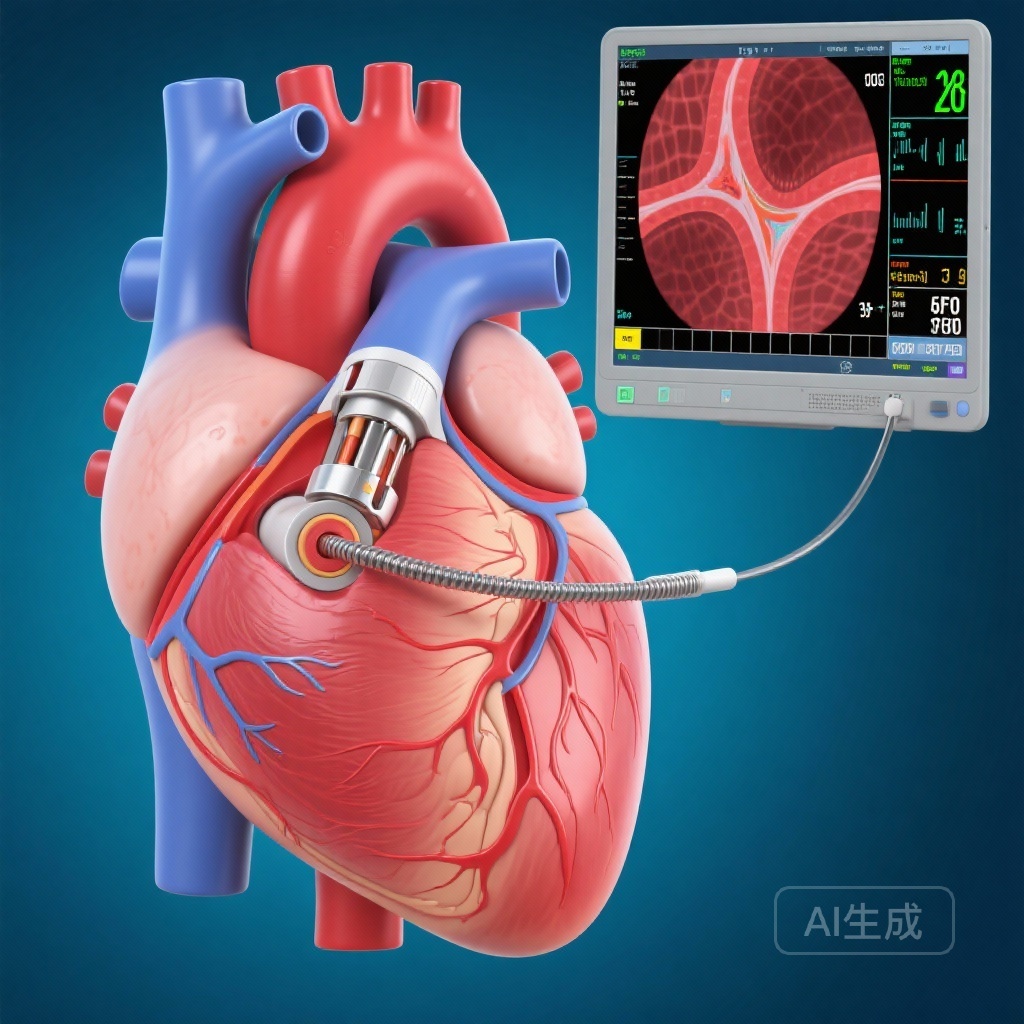
ORBITA-FIRE study reveals personalized physiological thresholds for angina that are lower than current diagnostic standards. These thresholds vary during exercise and predict PCI treatment success, challenging universal ischemia-based guidelines.
Read More
Bridging the Gap: Why In-Procedure QFR Variability May Explain the FAVOR III Europe Outcomes
Posted inCardiology news

Bridging the Gap: Why In-Procedure QFR Variability May Explain the FAVOR III Europe Outcomes

Posted by MedXY By MedXY 02/04/2026
The REPEAT-QFR study reveals modest agreement between in-procedure and core laboratory quantitative flow ratio (QFR) measurements, suggesting that angiographic quality and user adherence significantly impact diagnostic accuracy.
Read More
FFR-Guided PCI Demonstrates Decade-Long Superiority Over Medical Therapy in Stable Coronary Artery Disease
Posted inCardiology news

FFR-Guided PCI Demonstrates Decade-Long Superiority Over Medical Therapy in Stable Coronary Artery Disease

Posted by MedXY By MedXY 02/04/2026
An 11-year follow-up of the FAME 2 trial reveals that FFR-guided PCI significantly outperforms medical therapy alone in patients with hemodynamically significant stenoses, primarily by reducing urgent revascularizations, with a favorable win ratio of 1.25.
Read More
FFR-Guided Revascularization Significantly Reduces 12-Month MACCE in TAVI Patients: The FAITAVI Trial
Posted inCardiology news

FFR-Guided Revascularization Significantly Reduces 12-Month MACCE in TAVI Patients: The FAITAVI Trial

Posted by MedXY By MedXY 01/03/2026
The FAITAVI trial demonstrates that physiology-guided PCI using FFR significantly reduces major adverse cardiac events, particularly mortality, compared to angiography-guided PCI in elderly patients undergoing TAVI with intermediate coronary lesions.
Read More
High-Risk Plaques in Non-Culprit Lesions: Comparative Outcomes After NSTEMI and STEMI
Posted inCardiology Clinical Updates news Specialties

High-Risk Plaques in Non-Culprit Lesions: Comparative Outcomes After NSTEMI and STEMI

Posted by MedXY By MedXY 08/16/2025
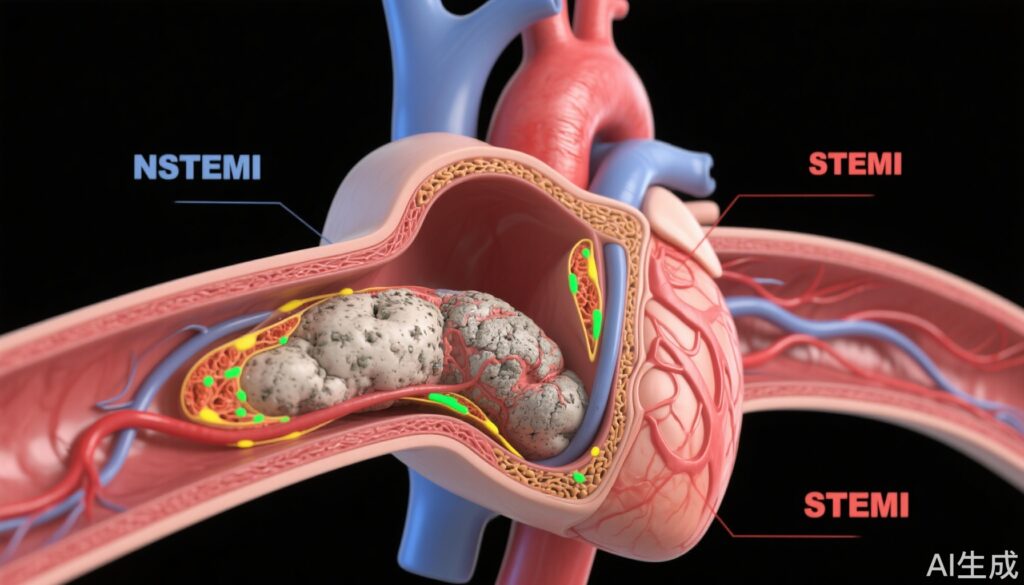
This study examines the morphology of high-risk plaques in non-culprit coronary lesions among NSTEMI and STEMI patients and their impact on clinical outcomes, suggesting comparable prevalence of high-risk features but differing plaque characteristics between these groups.
Read More
  • Safety of Biopsy in Pheochromocytoma and Paraganglioma: What a Global Study Found
  • Heart Failure Medication Adherence Depends Less on Motivation Than on Whether Treatment Fits Daily Life
  • Beyond Neuronal Injury: Serum Neurofilament Light Chain as a Prognostic Biomarker for Cardiovascular Outcomes in Atrial Fibrillation
  • Cardiovascular Benefit of CPAP May Be Greater in High-Risk Obstructive Sleep Apnoea
  • Drug-Eluting Resorbable Scaffold Maintains a 3-Year Patency Advantage Over Angioplasty in Infrapopliteal CLTI
  • About us
  • Contact us
  • MedXY story
  • Privacy Policy
  • Subscribe Now!
  • 账号

  • English
  • 日本語
  • Tiếng Việt
  • 中文

Alzheimer's disease artificial intelligence atrial fibrillation biomarkers breast cancer Cardiology cardiovascular disease cardiovascular risk chronic kidney disease clinical trial clinical trials critical care depression diabetes epidemiology health heart failure Hypertension immunotherapy inflammation MASLD mental health metformin Mortality multiple myeloma myocardial infarction nutrition obesity older adults oncology Pediatrics precision medicine Pregnancy prevention prostate cancer public health randomized clinical trial randomized trial SGLT2 inhibitors stroke targeted therapy type 1 diabetes type 2 diabetes weight loss women's health

Your health, we care

Copyright 2026 — Medxy AI. All rights reserved.
Scroll to Top
Sign in