SMARCA4-altered Resectable and Advanced NSCLC: Neoadjuvant Immunochemotherapy Works for Squamous, But KRAS+STK11/KEAP1 Co-mutations Define an Immune‑Cold High‑Risk Subset

SMARCA4-altered Resectable and Advanced NSCLC: Neoadjuvant Immunochemotherapy Works for Squamous, But KRAS+STK11/KEAP1 Co-mutations Define an Immune‑Cold High‑Risk Subset

Two contemporary series show that SMARCA4‑altered NSCLC is molecularly and clinically heterogeneous: squamous tumors have high pathologic responses to neoadjuvant immunochemotherapy, while non‑squamous tumors—especially those with co‑occurring KRAS and STK11/KEAP1 alterations—are immune‑cold and have poor outcomes despite chemoimmunotherapy.

Bivalent RSV pre‑F Vaccine Dramatically Reduces RSV‑Associated Hospitalisations and Chronic‑Disease Exacerbations in Adults Aged 75–79 Years

Bivalent RSV pre‑F Vaccine Dramatically Reduces RSV‑Associated Hospitalisations and Chronic‑Disease Exacerbations in Adults Aged 75–79 Years

In a multicentre test‑negative study of 1006 adults aged 75–79 in England, a bivalent RSV pre‑F vaccine reduced RSV‑associated hospitalisation by 82% overall and protected against severe disease and exacerbations of chronic heart and lung disease, including in immunosuppressed patients.
Three-Month Clofazimine–Rifapentine Regimen for Drug‑Susceptible TB Failed to Improve Outcomes and Raised Safety Concerns: Lessons from Clo‑Fast (Phase 2c)

Three-Month Clofazimine–Rifapentine Regimen for Drug‑Susceptible TB Failed to Improve Outcomes and Raised Safety Concerns: Lessons from Clo‑Fast (Phase 2c)

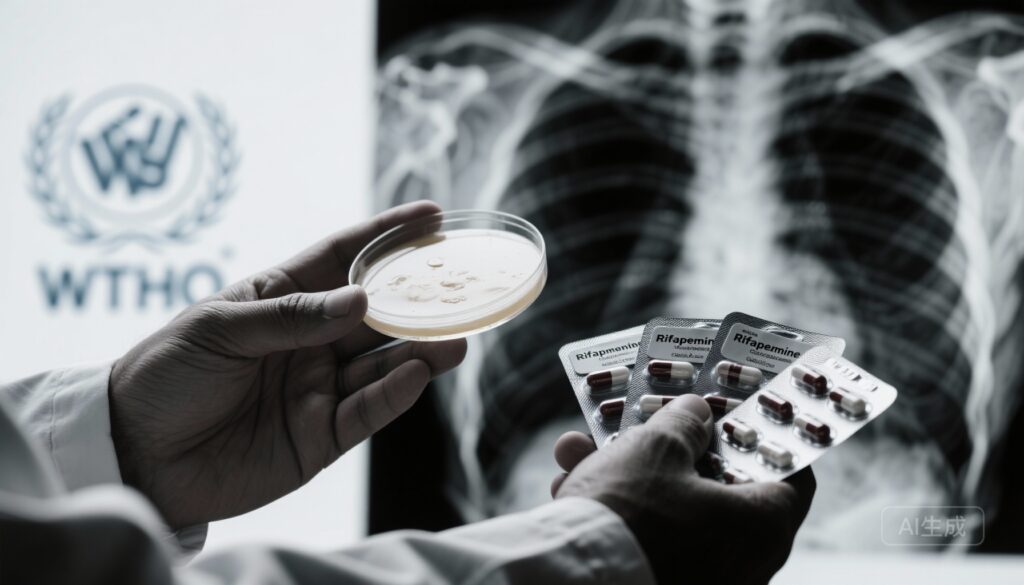
The Clo‑Fast phase 2c trial tested a 3‑month rifapentine‑clofazimine regimen versus standard 6‑month therapy for drug‑susceptible pulmonary TB. Culture conversion at 12 weeks was similar, but shorter therapy had higher grade ≥3 adverse events and worse 65‑week composite clinical outcomes, leading to early termination.
Post‑COVID Resurgence of Mycoplasma pneumoniae in French Children: Hospital Burden, Risk Factors for ICU Admission, and Clinical Implications

Post‑COVID Resurgence of Mycoplasma pneumoniae in French Children: Hospital Burden, Risk Factors for ICU Admission, and Clinical Implications

A nationwide French multicentre cohort (ORIGAMI) documents a substantial 2023–24 paediatric hospitalisation surge from Mycoplasma pneumoniae, identifies older age, asthma, comorbidity and erythema multiforme as ICU risk factors, and highlights stewardship and surveillance priorities.
Brand-Specific Influenza Vaccine Effectiveness in Nordic Older Adults: Insights from the 2024-2025 Season Registry-Based Target Trial Emulation

Brand-Specific Influenza Vaccine Effectiveness in Nordic Older Adults: Insights from the 2024-2025 Season Registry-Based Target Trial Emulation

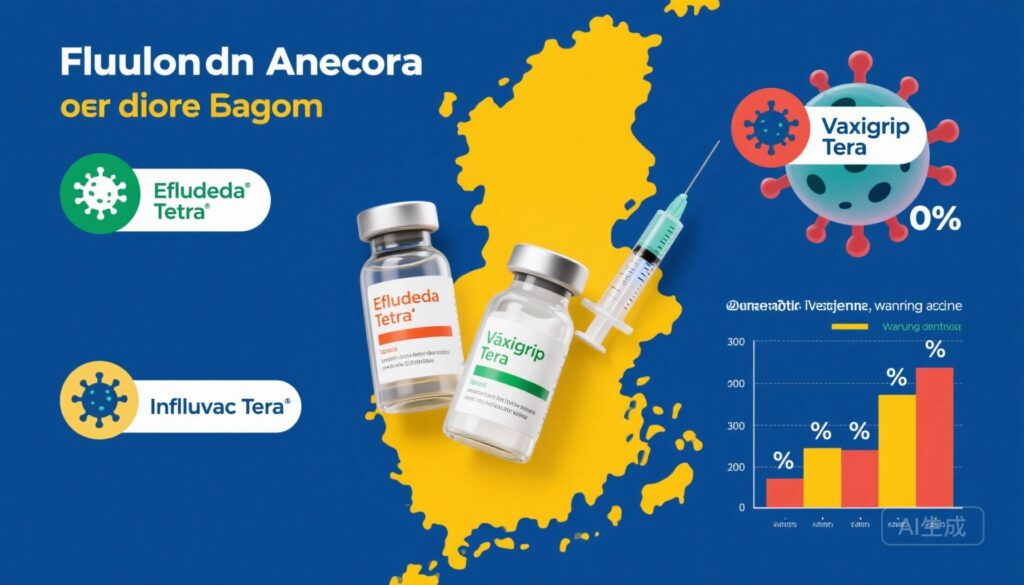
This comprehensive review synthesizes recent evidence on brand-specific influenza vaccine effectiveness (VE) among adults aged ≥65 in Denmark, Finland, and Sweden during the 2024-2025 season, underscoring heterogeneous VE profiles and the clinical impact of high-dose adjuvanted vaccines.
Persistent Inspiratory Muscle Weakness After Prolonged Intubation: MIP at Day 12 Predicts Failure to Recover in the Acute-Care Stay

Persistent Inspiratory Muscle Weakness After Prolonged Intubation: MIP at Day 12 Predicts Failure to Recover in the Acute-Care Stay

In patients extubated after ≥7 days of mechanical ventilation, 43% had persistent inspiratory muscle weakness at hospital discharge. Maximal inspiratory pressure (MIP) measured 12 days after diagnosis strongly predicted persistent weakness and may guide early rehabilitation and resource allocation.
RSV prefusion F bivalent vaccine protects older adults similarly whether or not they have atherosclerotic cardiovascular disease

RSV prefusion F bivalent vaccine protects older adults similarly whether or not they have atherosclerotic cardiovascular disease

In a prespecified secondary analysis of the DAN‑RSV randomized trial, the bivalent RSV prefusion F vaccine showed comparable effectiveness against RSV‑related respiratory hospitalizations in adults ≥60 years with and without pre‑existing atherosclerotic cardiovascular disease (ASCVD); no clear reduction in major adverse cardiovascular events was observed.
Nirsevimab in Chile’s First National RSV Campaign: 76% Reduction in RSV Hospitalisations and 85% Fewer ICU Admissions in Infants

Nirsevimab in Chile’s First National RSV Campaign: 76% Reduction in RSV Hospitalisations and 85% Fewer ICU Admissions in Infants

A nationwide retrospective study from Chile finds that a universal nirsevimab immunisation strategy in 2024 reduced RSV-related lower respiratory tract infection hospitalisations by 76% and ICU admissions by 85%, with an NNT of 35 to prevent one RSV LRTI admission.
Real-world data suggest nirsevimab reduces RSV test-positivity up to 12 months but not beyond — cautious interpretation required

Real-world data suggest nirsevimab reduces RSV test-positivity up to 12 months but not beyond — cautious interpretation required

A multicentre retrospective TriNetX analysis found reduced odds of RSV test-positivity for infants receiving nirsevimab when last dose was within 6–11 months before testing; protection was strongest within 6 months and not evident beyond 12 months. Methodological limits temper causal inference.