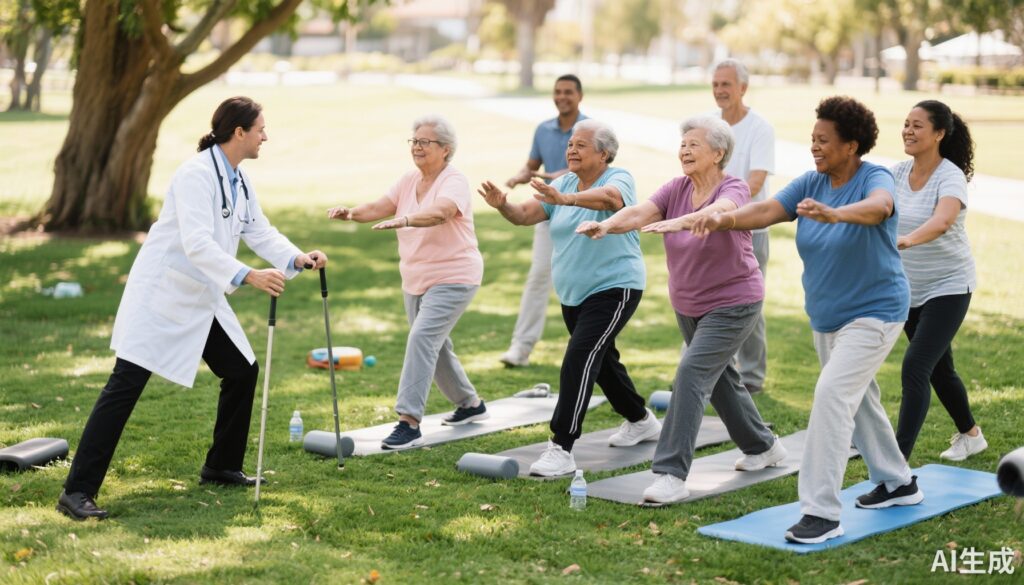
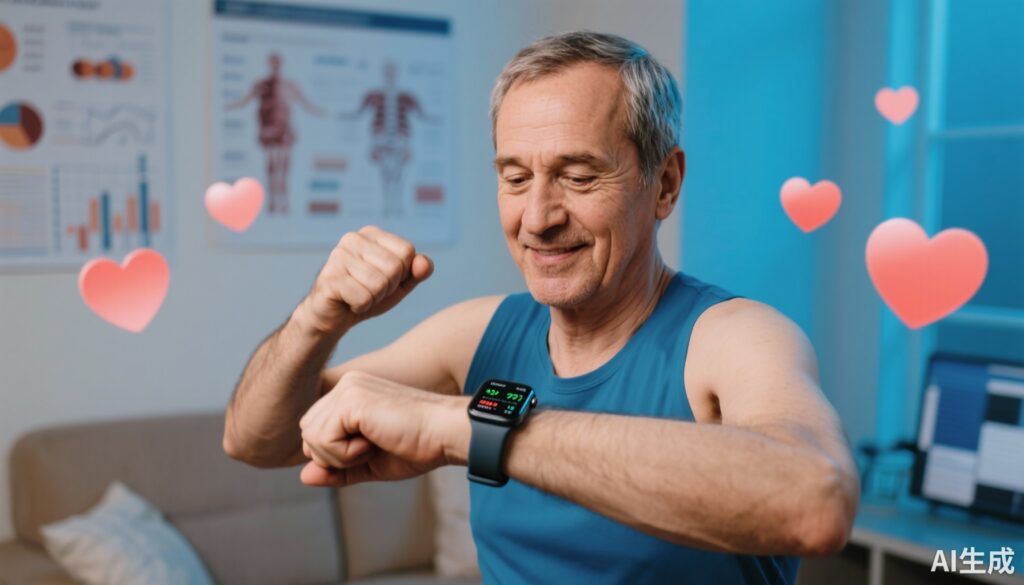
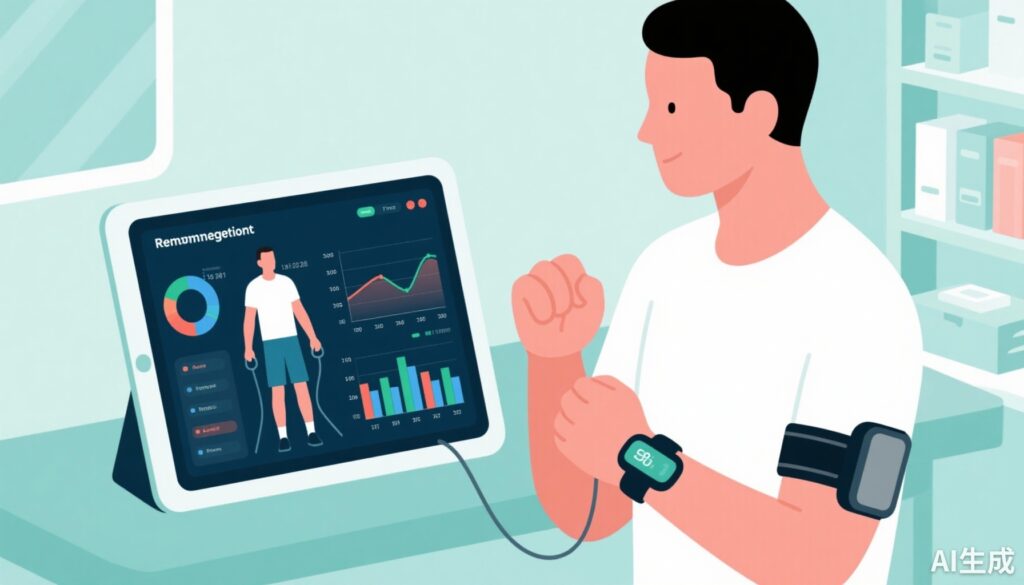
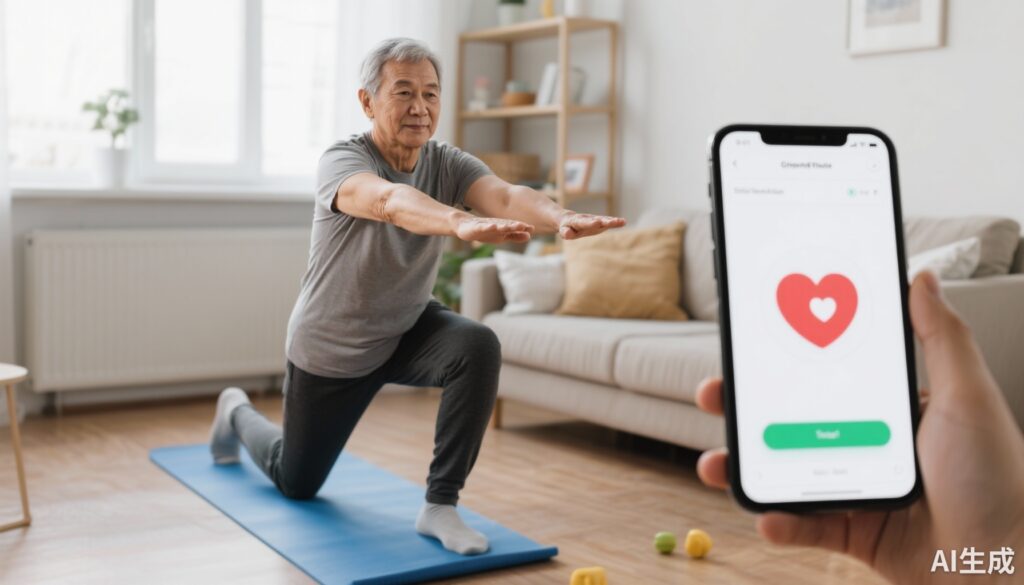
This study evaluates how smartwatch-assisted home-based cardiac rehab improves exercise adherence and health outcomes in coronary heart disease patients.
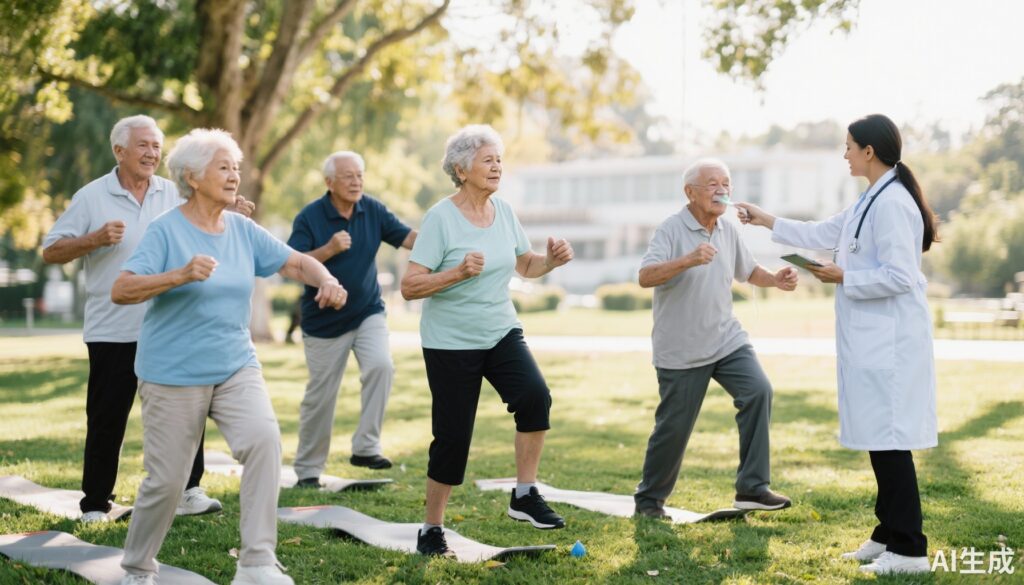
This review discusses a landmark study demonstrating how wearable devices and online coaching improve exercise capacity in coronary artery disease patients, highlighting advancements in remote cardiac rehabilitation.
This randomized controlled non-inferiority trial demonstrates that X-CircuiT, a smartphone-guided multi-component exercise regime, is as effective and safe as conventional exercise in improving fitness in home-based cardiac rehabilitation for patients with coronary artery disease and risk factors.
A randomized trial shows that a six-month personalised community-based physical activity programme sustains physical activity improvements and functional performance post-pulmonary rehabilitation in COPD patients, though other health benefits remain unchanged.
This article reviews current evidence and clinical practices for physiotherapy in ICU settings, emphasizing benefits, safety, staffing challenges, and future directions in critical care rehabilitation.
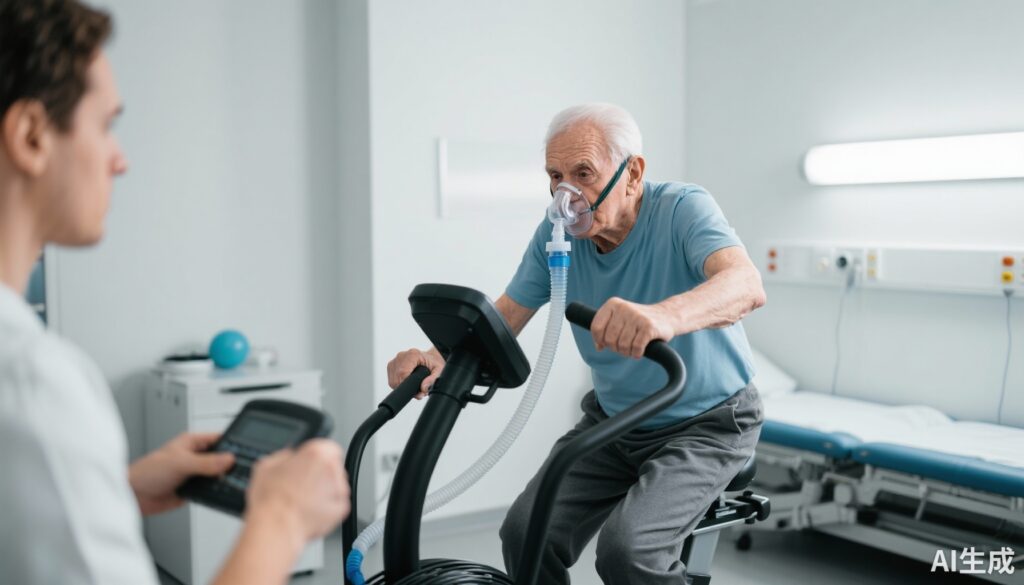
This pilot randomized trial investigates the safety, feasibility, and efficacy of high intensity interval training modalities compared to constant-load endurance training in COPD patients with chronic respiratory failure, revealing promising workload progression and symptom management with long-HIIT.
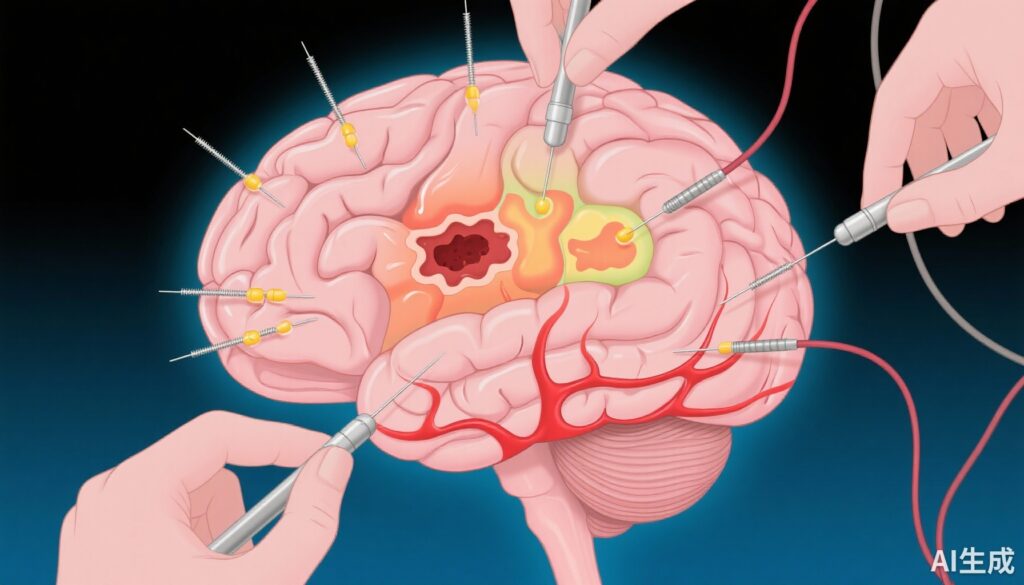
This review synthesizes preclinical evidence on electroacupuncture's mechanisms in ischemic stroke, highlighting its therapeutic potential and factors influencing efficacy.
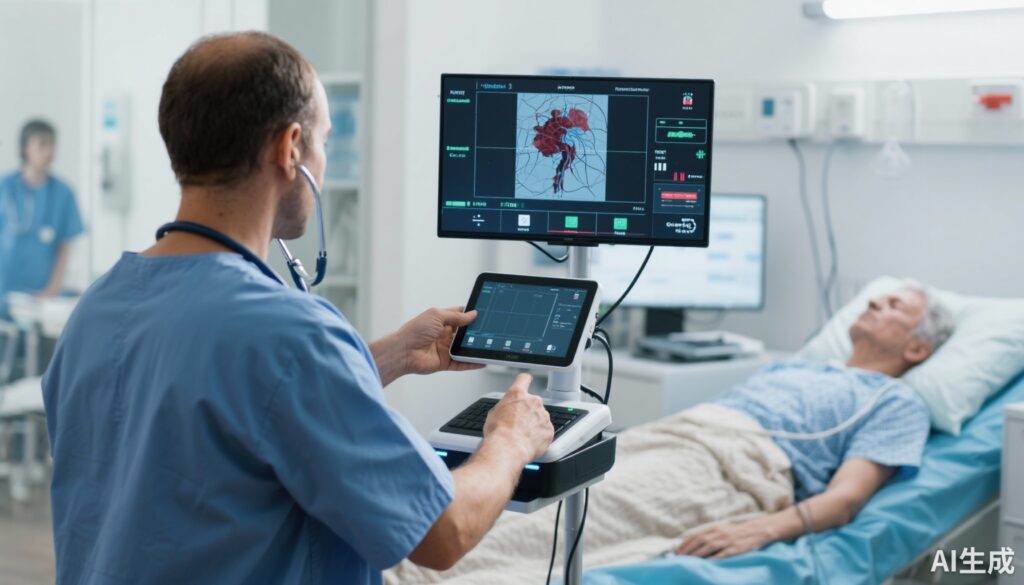
Telestroke evaluation increases thrombolysis rates but is associated with longer treatment times and delays in patient transfers in acute ischemic stroke, highlighting the need to address modifiable treatment delays.
Early extracranial surgery following moderate-severe traumatic brain injury or positive CT findings is linked to worse cognitive, functional, and quality of life outcomes at one year, highlighting the need to refine surgical timing and post-injury interventions.
The EMAGINE randomized clinical trial assessed low-intensity electromagnetic stimulation combined with rehabilitation in moderate to severe ischemic stroke patients. While safe, it did not yield statistically significant functional improvement, warranting further investigation.
Moderate-quality evidence from 14 RCTs supports combined immersive and nonimmersive VR with mirror therapy to enhance upper extremity function and hand dexterity in stroke survivors, though clinical significance needs cautious interpretation.
Music therapy is emerging as a promising approach in cancer recovery, easing symptoms, supporting mental health, and enhancing quality of life. Scientific evidence and practical recommendations reveal its growing value.