Relacorilant Demonstrates Sustained Efficacy in Hypertension Control for Patients with Cushing’s Syndrome: Results from the Phase 3 GRACE Study

Relacorilant Demonstrates Sustained Efficacy in Hypertension Control for Patients with Cushing’s Syndrome: Results from the Phase 3 GRACE Study

The Phase 3 GRACE trial demonstrates that relacorilant, a selective glucocorticoid receptor modulator, significantly maintains hypertension control in patients with Cushing’s syndrome without the safety concerns associated with non-selective antagonists, such as adrenal insufficiency or hypokalemia.
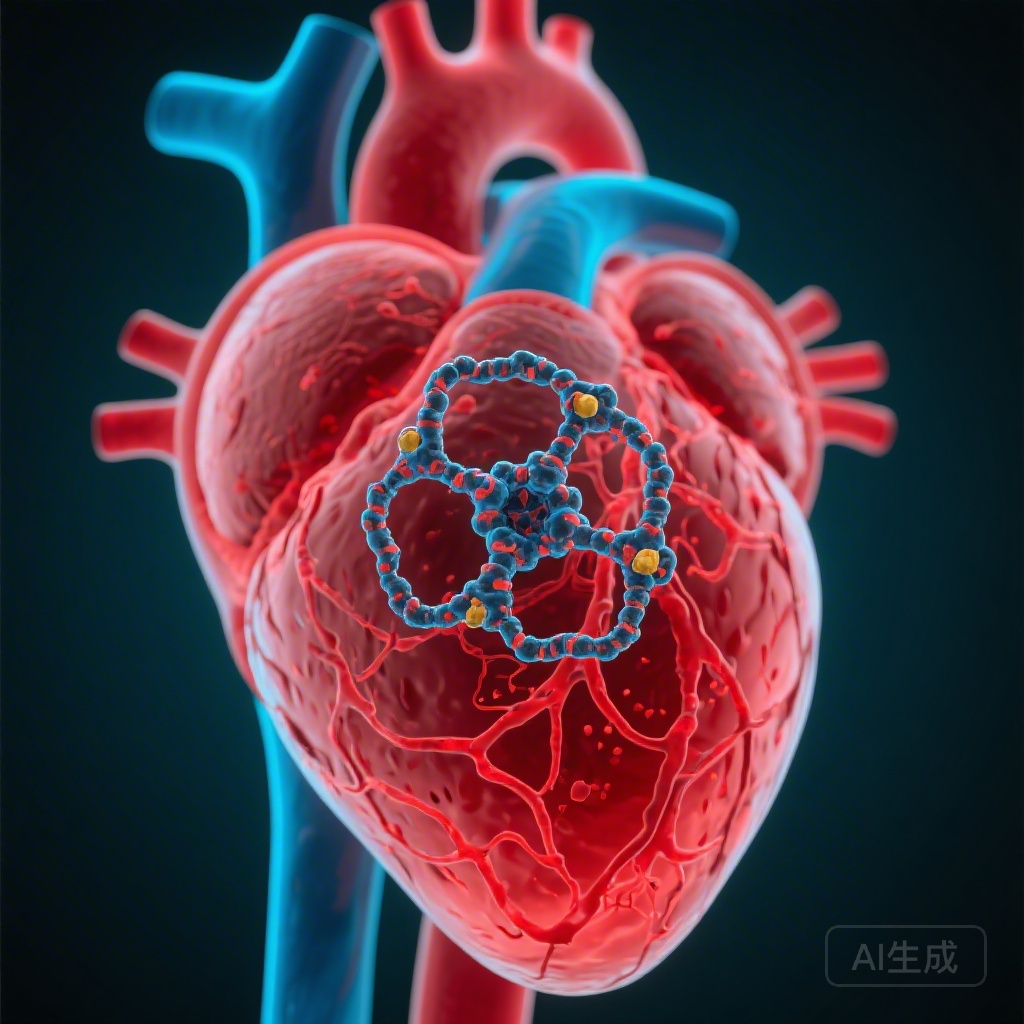
TRIM28: A Novel E3 Ubiquitin Ligase Guarding the Heart Against Ischemia/Reperfusion-Induced Ferroptosis

TRIM28: A Novel E3 Ubiquitin Ligase Guarding the Heart Against Ischemia/Reperfusion-Induced Ferroptosis

New research identifies TRIM28 as a critical E3 ubiquitin ligase that degrades IRP2, thereby suppressing iron uptake and preventing myocardial ferroptosis during ischemia/reperfusion injury. This pathway, activated by p55γ and the drug perhexiline, offers a promising therapeutic target for patients with ischemic heart disease.
OGTT-Derived Surrogate Indexes Outperform Fasting Measures in Predicting Type 2 Diabetes Risk: A Longitudinal Analysis

OGTT-Derived Surrogate Indexes Outperform Fasting Measures in Predicting Type 2 Diabetes Risk: A Longitudinal Analysis

A longitudinal study of 2,260 participants confirms that oral glucose tolerance test (OGTT)-based surrogate indexes, particularly Gutt and Cederholm, are superior to fasting-only measures in predicting type 2 diabetes, providing high clinical utility for metabolic risk stratification.
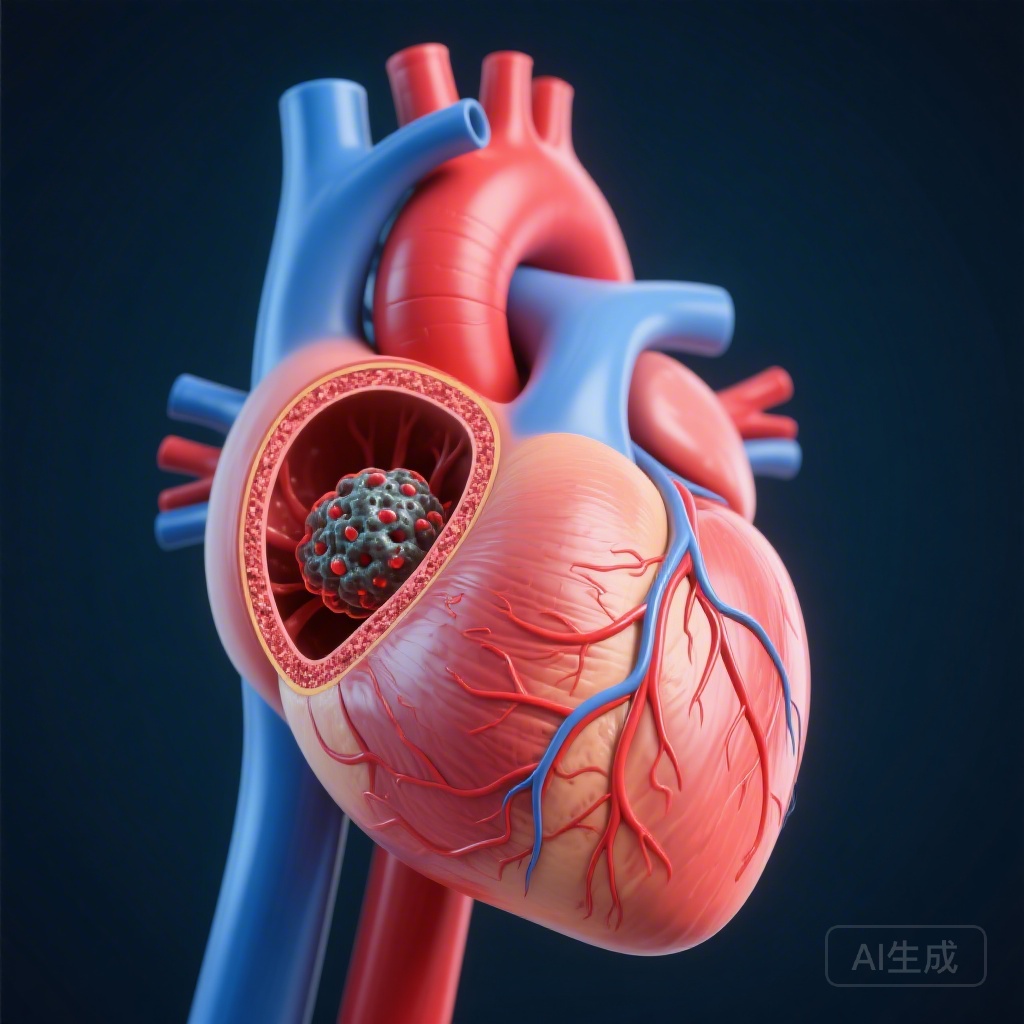
Prevalence and Prognostic Significance of Restriction Versus Systolic Dysfunction in Patients With Transthyretin and Light Chain Cardiac Amyloidosis

Prevalence and Prognostic Significance of Restriction Versus Systolic Dysfunction in Patients With Transthyretin and Light Chain Cardiac Amyloidosis

This large retrospective study of 820 patients reveals that restrictive ventricular physiology is the most common phenotype in cardiac amyloidosis. While preserved LV function offers better initial survival, the rate of progression to restriction is high, emphasizing the need for early clinical detection.