Nerandomilast Shows Potential Mortality Benefit in IPF Despite Neutral Composite Secondary Endpoints: Insights from FIBRONEER-IPF Extended Follow-up

Nerandomilast Shows Potential Mortality Benefit in IPF Despite Neutral Composite Secondary Endpoints: Insights from FIBRONEER-IPF Extended Follow-up

Long-term data from the FIBRONEER-IPF trial indicates that while nerandomilast did not significantly impact composite respiratory events, the 18 mg dose suggests a numerical reduction in mortality and maintains a favorable safety profile for patients with idiopathic pulmonary fibrosis.
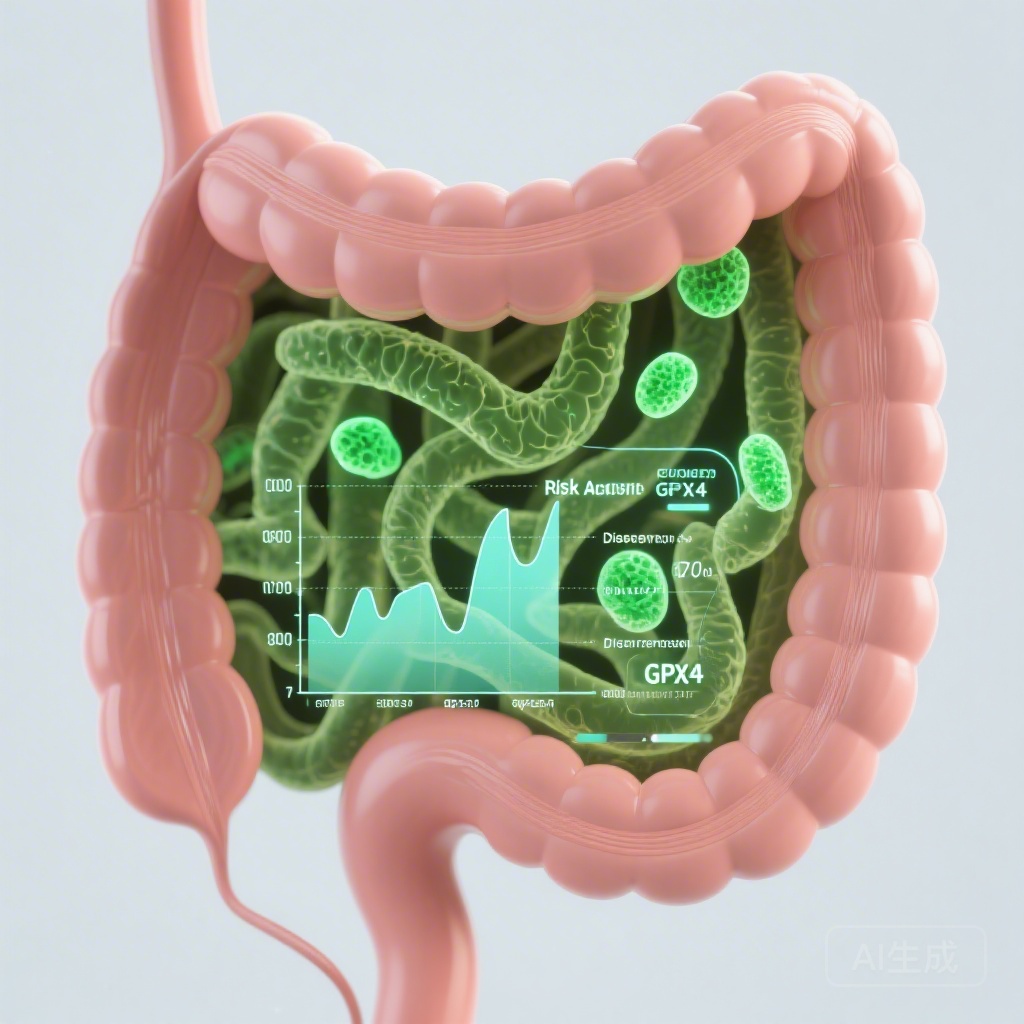
Reduced Intestinal Epithelial GPX4 Expression Predicts Postoperative Crohn’s Disease Recurrence and Offers a Novel Therapeutic Target

Reduced Intestinal Epithelial GPX4 Expression Predicts Postoperative Crohn’s Disease Recurrence and Offers a Novel Therapeutic Target

A breakthrough study identifies epithelial Glutathione peroxidase 4 (GPX4) deficiency as a potent predictor of Crohn's disease recurrence after surgery. The research links this biomarker to endoplasmic reticulum stress and highlights selenium supplementation as a potential druggable strategy to improve patient outcomes.
Beyond Statins: The Evolution and Clinical Impact of PCSK9 Inhibition in Cardiovascular Risk Management

Beyond Statins: The Evolution and Clinical Impact of PCSK9 Inhibition in Cardiovascular Risk Management

This article explores the transformation of lipid management through PCSK9 inhibitors. From genetic discovery to landmark cardiovascular outcomes trials, we examine how monoclonal antibodies, RNA interference, and gene editing are redefining the boundaries of LDL-C reduction and patient care in atherosclerotic disease.
Impact of Polygenic Risk Scores on the Clinical Presentation and Glycaemic Variability of GCK-MODY

Impact of Polygenic Risk Scores on the Clinical Presentation and Glycaemic Variability of GCK-MODY

This article explores how polygenic background modifies GCK-MODY clinical phenotypes, influencing HbA1c levels and diagnostic thresholds. Findings highlight the distinct polygenic patterns in GCK-MODY compared to HNF1A-MODY, emphasizing the interaction between monogenic and polygenic factors in diabetes.
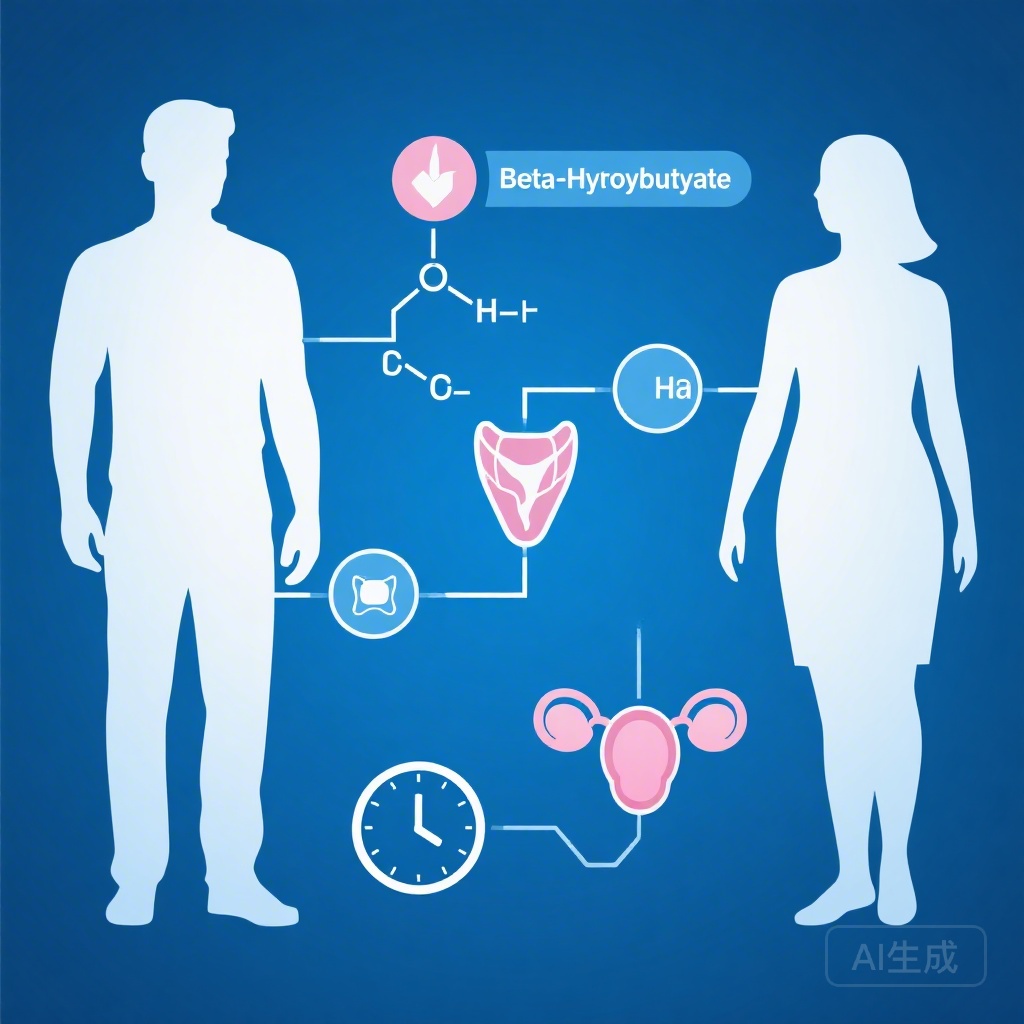
Optimizing the ‘When’ of Exercise: Afternoon and Evening Activity as a Precision Medicine Tool for Diabetes Risk Reduction

Optimizing the ‘When’ of Exercise: Afternoon and Evening Activity as a Precision Medicine Tool for Diabetes Risk Reduction

New evidence from the UK Biobank and NHANES suggests that the timing of moderate-to-vigorous physical activity (MVPA) significantly impacts type 2 diabetes risk. Clustering activity in the afternoon and evening provides superior metabolic protection compared to morning sessions, independent of the total volume of exercise performed.
Accelerated 3-Year MD Graduates Match or Exceed Traditional Peers in Residency Performance: Evidence from ACGME Milestone 2.0

Accelerated 3-Year MD Graduates Match or Exceed Traditional Peers in Residency Performance: Evidence from ACGME Milestone 2.0

A comprehensive retrospective cohort study finds **Implementing Study Findings** I'm now integrating the Brenner et al. (2026) data into the "Key Findings" section. I'm focusing on providing a clear presentation of the ACGME Milestone 2.0 scores, specifically highlighting differences in PC, MK, and PROF domains. The strategy also includes detailing implications. I'm also ensuring the final JSON structure matches the required specifications. that graduates of accelerated 3-year MD programs perform at least as well as, and in some domains better than, their 4-year counterparts during Internal Medicine residency, validating the clinical competency of shortened medical education pathways.
Post-Pandemic Firearm Acquisition and Household Exposure: Insights from the 2024 National Firearms Survey

Post-Pandemic Firearm Acquisition and Household Exposure: Insights from the 2024 National Firearms Survey

The 2024 National Firearms Survey reveals that 29.8 million US adults acquired firearms between 2021 and 2024. This trend introduced 11.2 million new owners, significantly increasing household exposure for millions of adults and children, raising critical public health concerns regarding violent death risks.
Holding GLP-1/GIP Agonists Before Upper Endoscopy Reduces Residual Gastric Volume Risk: Insights from the OCULUS Randomized Trial

Holding GLP-1/GIP Agonists Before Upper Endoscopy Reduces Residual Gastric Volume Risk: Insights from the OCULUS Randomized Trial

The OCULUS randomized trial demonstrates that continuing GLP-1/GIP agonists before upper endoscopy significantly increases the risk of clinically significant residual gastric volume compared to holding a single dose, providing crucial evidence for perioperative management guidelines.
Coronary Artery Calcium Scoring Remains the Definitive Risk Stratifier for Patients With Elevated Lipoprotein(a)

Coronary Artery Calcium Scoring Remains the Definitive Risk Stratifier for Patients With Elevated Lipoprotein(a)

A large multicohort study involving 11,319 participants confirms that Coronary Artery Calcium (CAC) scoring effectively stratifies cardiovascular risk even in individuals with high Lipoprotein(a), providing clinical clarity for personalized preventive strategies and the management of primary prevention patients.
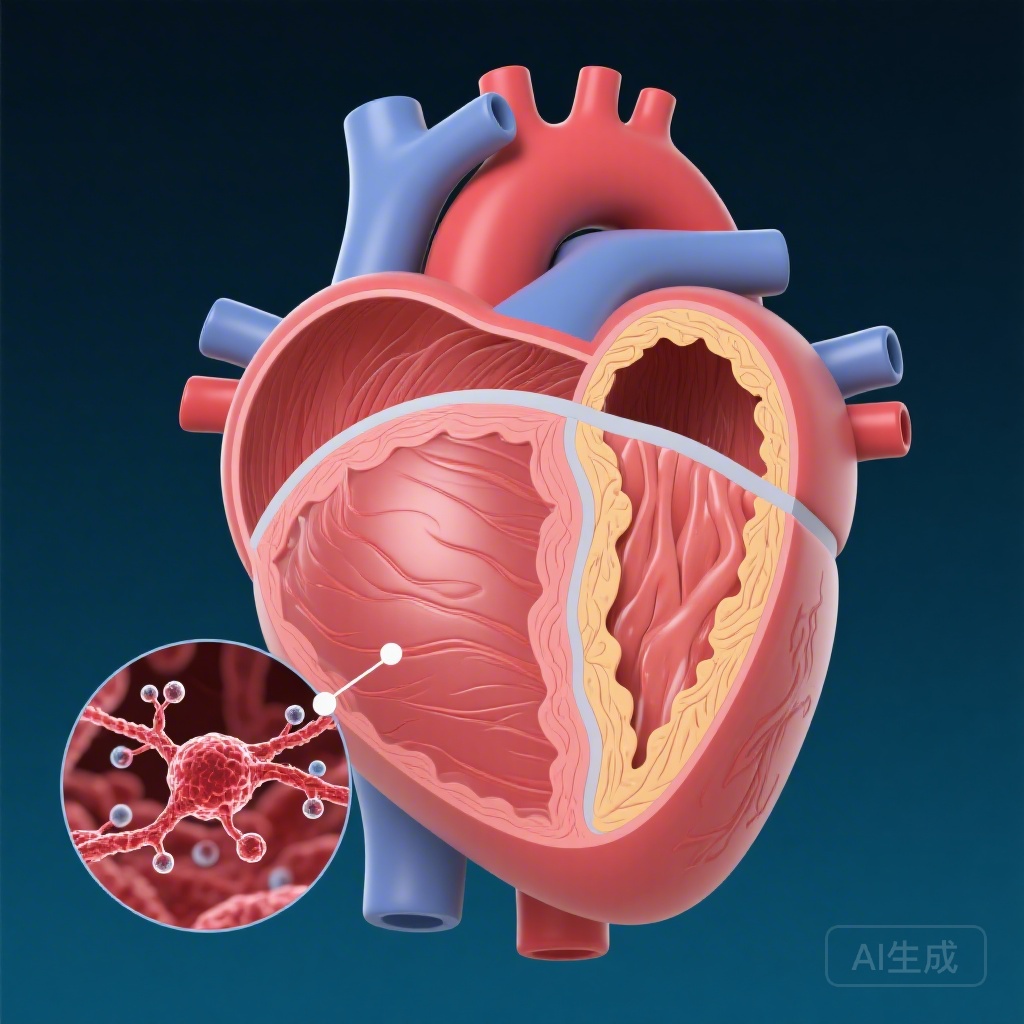
CRLF1 Secreted by Cardiac Fibroblasts: A New Driver and Potential Therapeutic Target for Hypertrophic Cardiomyopathy

CRLF1 Secreted by Cardiac Fibroblasts: A New Driver and Potential Therapeutic Target for Hypertrophic Cardiomyopathy

This article explores a groundbreaking study identifying CRLF1, a protein secreted by cardiac fibroblasts, as a key driver of Hypertrophic Cardiomyopathy (HCM). This paracrine signaling mechanism offers a potential universal therapeutic target for patients regardless of their specific genetic mutations.